
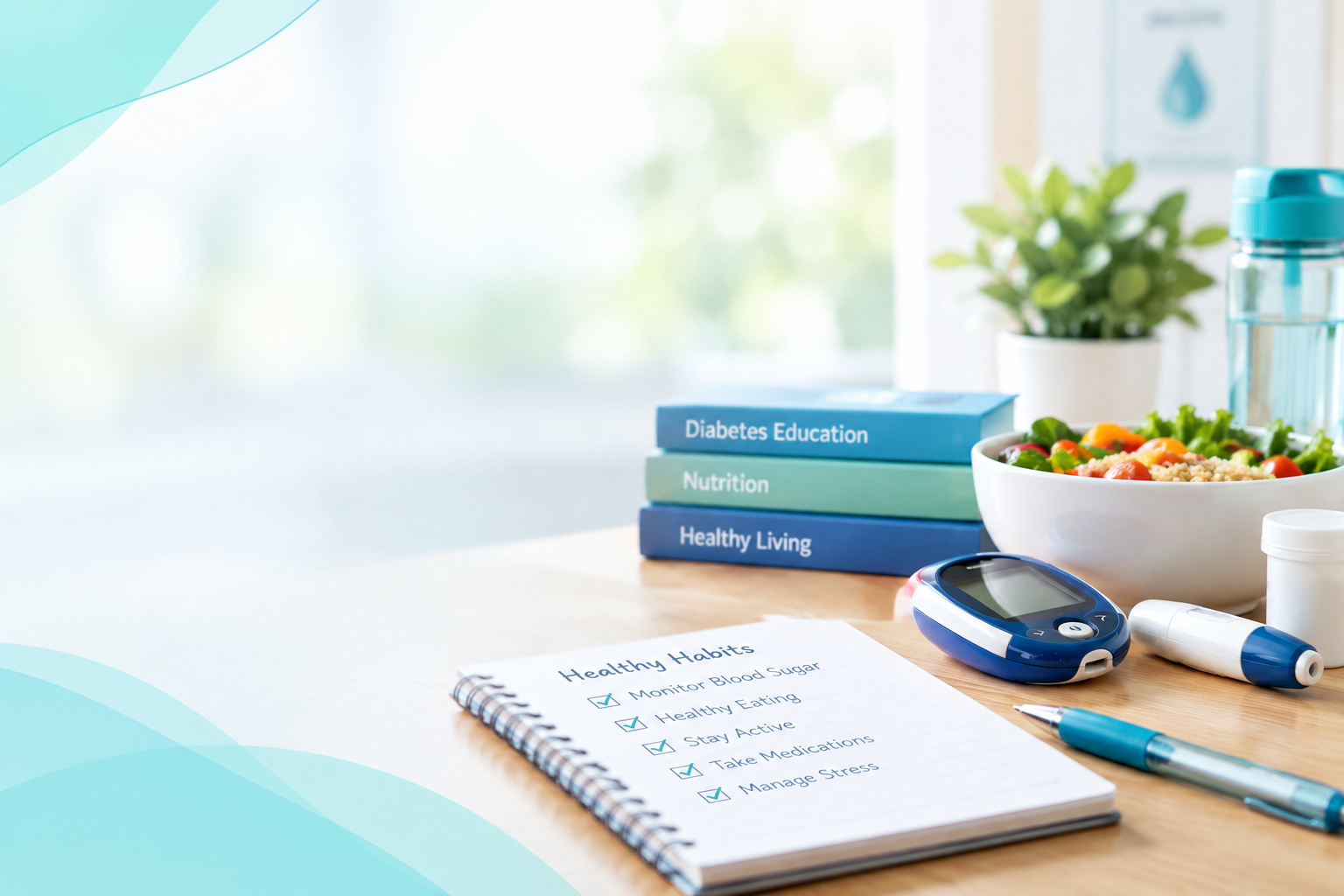
Being told you have diabetes often comes with a flood of information: numbers, medications, dietary rules, and follow-up dates. It is easy to leave the office with more questions than answers. Diabetes self-management education was designed to fix exactly that problem by turning information into skills.
Defining Diabetes Self-Management Education
Commonly shortened to DSME, this is a structured educational process that helps people understand their condition and make informed daily decisions. It is usually delivered by trained professionals, often certified diabetes educators, through individual sessions, group classes, or a combination of both.
What Topics Are Usually Covered?
While programs vary, most cover a similar set of core areas:
- What diabetes is and how it affects your body
- Healthy eating and portion control
- Physical activity and safe exercise
- Blood sugar monitoring and interpreting results
- Taking medications correctly
- Recognizing and treating high and low blood sugar
- Preventing complications, including foot, eye, and heart problems
- Coping with stress and emotional challenges
Why Education Makes a Difference
Research consistently shows that people who receive structured education tend to feel more confident, understand their treatment better, and are more likely to stick with their plans. Confidence matters because diabetes management happens mostly outside the clinic. You are the one making decisions at breakfast, at work, and at midnight when your glucose reading looks strange.
Who Should Consider It?
Education is helpful at several points:
- At diagnosis: to build a strong foundation from the start.
- When treatment changes: such as starting insulin or a new medication.
- When complications appear: to learn how to protect your health.
- During life transitions: such as pregnancy, retirement, or changing jobs.
Expecting mothers, for instance, often benefit from education alongside specialized diabetes care in pregnancy, since guidelines and targets differ from those for non-pregnant adults.
Working With the Wider Care Team
Education works best when it complements medical care. Your physician sets the treatment direction, and your educator helps you carry it out day to day. When you look for a diabetes doctor near me, ask whether education services are available or whether they can refer you to a program.
Nutrition is another frequent partner. Many programs include or coordinate with a diabetes and dietitian service so that meal planning is tailored to your individual needs rather than a general handout.
Learning From Home
You no longer need to arrange your whole day around a class. With a telehealth appointment for diabetes, many educational sessions can be completed online. This option is popular among people who live far from a clinic or prefer a more private setting.
How to Get the Most Out of a Program
- Bring your glucose meter or app so the educator can review your technique.
- Write down questions before each session.
- Invite a family member to join if possible.
- Practice new skills between sessions and report what worked and what did not.
- Set small, realistic goals, such as a ten-minute walk after dinner.
Final Thoughts
Education is not a sign that you are doing something wrong. It is an investment in your long-term health. Programs offered through providers like Healthbeam Diabetes and Wellness Center are designed to help you feel informed, capable, and in control, which is exactly where every person with diabetes deserves to be.