
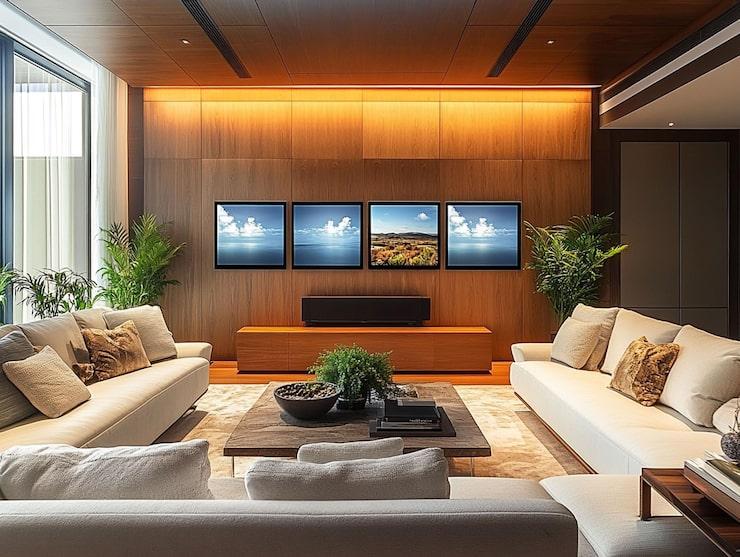
A well-designed room is not always about adding more decoration. The better approach is to choose pieces that work together in colour, texture, scale, and function. Walls provide a useful starting point because they can influence the overall character of a room without requiring a complete renovation.
From decorative accessories and canvas artwork to textured acoustic treatments, there are many ways to create a more considered interior. The key is knowing how each element contributes to the space and how to combine them without making the room feel crowded.
Start With the Room’s Existing Style
Before choosing new wall decor, look at what is already in the room. Consider the flooring, furniture, lighting, wall colour, curtains, and other fixed features. These elements create the foundation for your design choices.
For example, a room with neutral furniture may benefit from artwork with stronger shapes or natural tones. A space that already contains several patterns may work better with simpler wall treatments.
When shopping for home decor accessories Ontario, focus on pieces that complement the room instead of choosing products individually. A consistent colour or material can help different decorative elements feel connected.
Use Canvas Art to Create a Focal Point
Wall art can give an empty wall a clear purpose. A large canvas can work particularly well above a sofa, dining table, console, or bed where there is enough surrounding space for the artwork to stand out.
When selecting wall art canvas Ontario, size should be one of the first considerations. A piece that is too small can disappear against a large wall, while artwork that is too large may make the surrounding furniture feel compressed.
The artwork does not have to match every colour in the room. Instead, choose one or two tones that relate to existing furnishings or accessories. This creates a visual connection without making everything look identical.
Placement also matters. Artwork should generally relate to the furniture beneath it rather than being positioned randomly on a wall. Leave enough surrounding space so the piece can be appreciated on its own.
Add Texture Through Wall Treatments
Artwork provides visual interest, but textured wall treatments can create another layer. Fluted, slatted, geometric, and three-dimensional surfaces can change how light interacts with a wall throughout the day.
This makes textured panels useful when a room feels visually flat but does not need extensive decoration. A single feature section can often provide enough character without covering every wall.
Wood-look finishes can introduce warmth, while darker finishes can create a stronger architectural effect. Lighter finishes may help maintain an open appearance in smaller rooms.
The important point is to consider the wall treatment as part of the complete room rather than as an isolated feature.
Consider Sound as Part of Interior Design
Interior design is not limited to appearance. How a room sounds can also affect how comfortable it feels, especially in open-plan homes, offices, entertainment rooms, and spaces with hard flooring.
Acoustic wall panels Ontario can combine a decorative surface with sound-management features. Slatted wood-style acoustic panels, for example, can introduce rhythm and warmth while helping reduce excessive echo and reverberation.
These panels can be particularly useful in rooms where conversations, television audio, music, or online meetings create unwanted reflections. Their value is therefore both visual and practical.
However, acoustic panels should still be selected according to the room's needs. Consider the wall area, existing soft furnishings, room size, and the amount of sound reflection before deciding how much coverage is appropriate.
Combine Different Materials Carefully
Mixing materials can make an interior feel more layered, but too many competing finishes can quickly become distracting. A simple approach is to choose one main wall feature and use smaller accessories to support it.
For instance, a textured wall panel can provide the main architectural detail while canvas artwork adds colour and personality elsewhere. Decorative objects, lighting, and soft furnishings can then reinforce selected tones from both elements.
Another option is to repeat one material or colour in different areas of the room. Wood tones can appear in wall panels, furniture, and smaller accessories without making the design feel repetitive.
The goal is balance. Every piece should have a reason for being there.
Think About Lighting Before Final Placement
Lighting can significantly change how wall surfaces and artwork appear. Natural daylight may highlight texture during the afternoon, while artificial lighting can create shadows across three-dimensional surfaces at night.
Before permanently installing wall treatments or artwork, observe the wall at different times of day. Check how sunlight enters the room and where existing lamps or ceiling fixtures direct light.
For textured panels, angled lighting can emphasize depth. For canvas artwork, softer lighting may help maintain the intended colours without creating distracting reflections.
Choose Decor Based on How You Use the Room
A practical room should reflect its purpose. A living room may benefit from a strong visual focal point, while a home office may need a calmer combination of artwork and acoustic treatment.
Bedrooms often work well with softer colours and natural textures. Dining areas can support larger artwork, while entryways can use smaller decorative pieces to create an organized first impression.
Think about everyday use before purchasing. A beautiful piece that obstructs movement, creates maintenance problems, or does not suit the room's function may not be the right choice.
Create a Cohesive Interior One Layer at a Time
Good wall design does not require every surface to make a statement. Start with the largest visual element, then add supporting pieces gradually.
Choose the main wall treatment, establish a colour direction, select artwork that complements it, and finish with smaller accessories. This approach makes it easier to identify what the room actually needs.
Whether you are refreshing one room or planning a broader interior update, combining function with visual appeal can produce a more comfortable and balanced result. The best spaces are not necessarily the ones with the most decoration. They are the ones where each element has a clear purpose and works naturally with everything around it.