
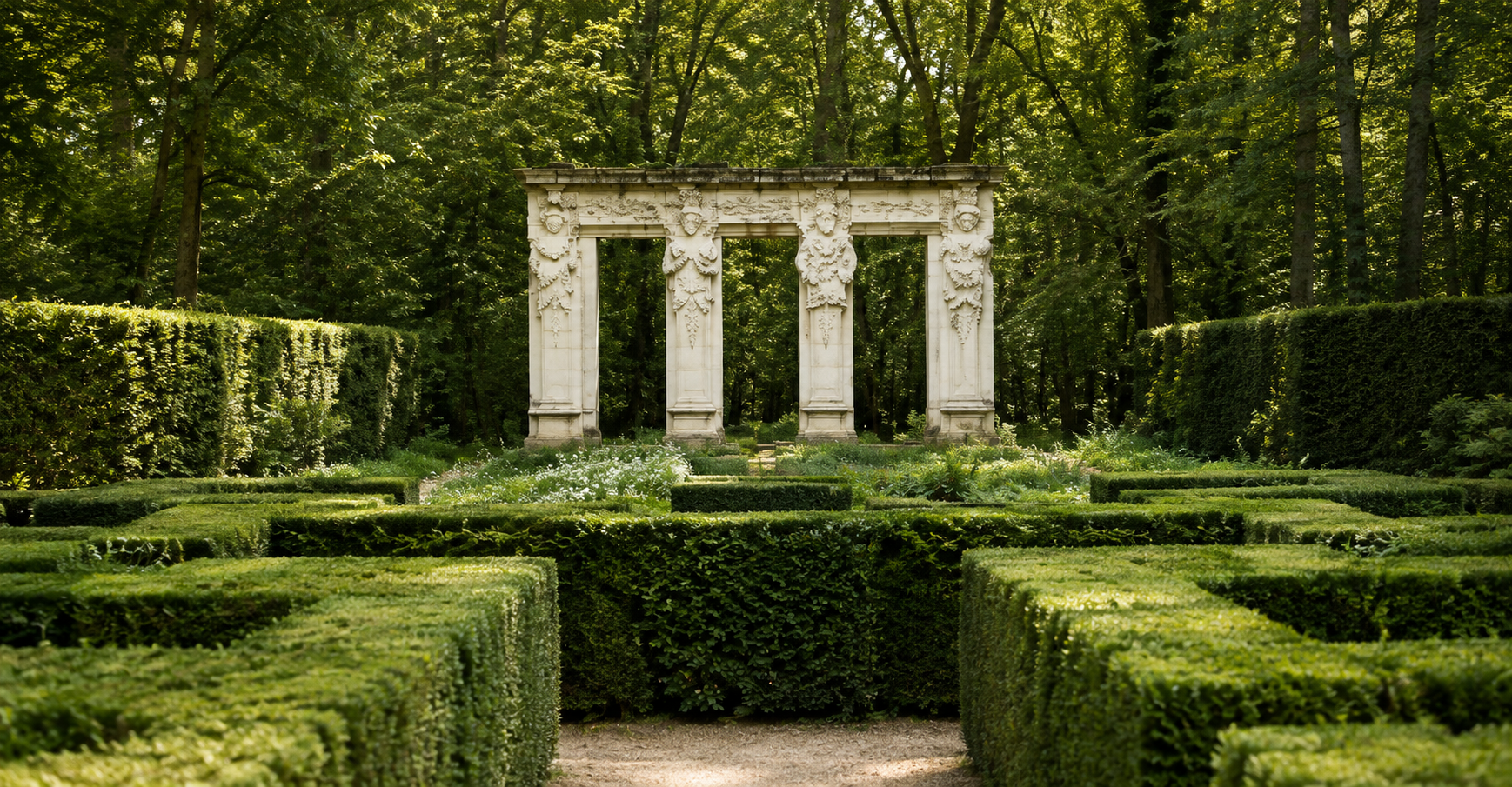
Landscaping plays an important role in improving the appearance, privacy, and overall character of outdoor spaces. Among the many plants used in residential and commercial gardens, boxwood shrubs remain a popular choice because of their evergreen foliage, adaptable growth habits, and ability to maintain a structured appearance throughout the year. Their dense leaves and versatile shapes make them suitable for borders, hedges, decorative planting, and landscape designs.
When searching for boxwoods for sale, gardeners should consider factors such as variety, growing conditions, mature size, and maintenance requirements. Selecting the right shrub helps ensure healthy growth and creates a landscape feature that remains attractive across different seasons.
Whether used as a formal garden element or a natural boundary, boxwoods offer a combination of durability and visual appeal that makes them valuable additions to many outdoor environments.
What Are Boxwood Shrubs?
Boxwood shrubs are evergreen plants from the Buxaceae family known for their small, dense leaves and compact growth patterns. They have been used in landscaping for centuries because they respond well to pruning and can be shaped into different forms.
Unlike many deciduous plants that lose their leaves during colder months, boxwoods maintain their greenery throughout the year. This characteristic makes them especially useful for creating consistent structure and color in gardens.
Gardeners looking for boxwoods for sale often choose these shrubs because they can adapt to various landscape styles, from traditional formal gardens to modern outdoor spaces.
Popular Types of Boxwood Shrubs
Different boxwood varieties offer unique characteristics, including differences in size, growth rate, and appearance.
English Boxwood
English boxwood is known for its compact growth and small leaves. It is commonly used for low hedges, borders, and decorative garden designs.
This variety works well in smaller landscapes because it can be maintained at a controlled size with regular pruning.
American Boxwood
American boxwood is a larger-growing variety that can create taller hedges and more substantial landscape features. Its dense growth makes it suitable for creating natural barriers.
This type is often selected by homeowners who want a classic evergreen structure in their gardens.
Japanese Boxwood
Japanese boxwood is valued for its adaptability and ability to tolerate warmer conditions. It generally grows with a rounded shape and works well for foundation planting and decorative arrangements.
Benefits of Planting Boxwood Shrubs
Year-Round Green Appearance
One of the biggest advantages of boxwoods is their evergreen nature. They maintain their foliage throughout the year, providing consistent color and structure even during seasons when many other plants lose their leaves.
This makes them useful for creating gardens that remain visually appealing throughout changing weather conditions.
Easy Shape and Maintenance Control
Boxwoods respond well to trimming, making them ideal for gardeners who enjoy structured landscaping. They can be shaped into formal hedges, rounded designs, or decorative forms.
Regular pruning helps maintain the desired appearance and encourages dense growth.
Versatile Landscaping Uses
Boxwoods can be used in many ways, including:
- Garden borders
- Pathway edging
- Foundation planting
- Decorative containers
- Landscape dividers
- Formal hedges
Their adaptability allows them to complement different design preferences.
Using Boxwoods for Privacy and Boundaries
Dense evergreen shrubs are often chosen when homeowners want natural screening solutions. While boxwoods are typically shorter than some larger screening plants, their thick foliage makes them useful for creating visual separation in gardens.
Many gardeners combine boxwoods with other privacy trees and taller shrubs to create layered landscapes that provide both beauty and functional screening.
Using multiple plant types can create a more balanced outdoor design while improving privacy and reducing visual exposure.
How to Choose the Right Boxwood
Selecting the right shrub requires considering several important factors.
Available Space
Before purchasing, consider how much room the plant will have as it matures. Some varieties remain compact, while others grow larger and require more space.
Climate Conditions
Boxwoods generally perform best when planted in suitable climates with appropriate sunlight and soil conditions. Understanding local growing conditions helps improve long-term success.
Desired Landscape Style
The intended purpose of the plant also influences selection. Smaller varieties may work well for borders, while larger varieties may be better suited for hedges or larger landscape designs.
How to Plant Boxwood Shrubs
Proper planting helps establish strong root development. Before planting, choose a location with suitable light exposure and prepare the soil to support drainage.
General planting steps include:
- Selecting an appropriate planting location
- Preparing the soil before installation
- Digging a hole wider than the root system
- Positioning the shrub correctly
- Watering thoroughly after planting
Adequate spacing between plants is also important because overcrowding can reduce airflow and increase maintenance needs.
Caring for Boxwood Shrubs
Watering
Newly planted boxwoods require consistent watering while roots become established. Mature plants are more drought-tolerant but may still need additional moisture during extended dry periods.
Pruning
Regular trimming helps maintain shape and encourages dense growth. Pruning should be done carefully to avoid removing too much foliage at once.
Mulching
Adding mulch around the base of the shrub can help retain moisture, regulate soil temperature, and reduce weed growth.
Common Boxwood Problems
Although boxwoods are generally durable, they may experience issues caused by environmental stress, pests, or diseases.
Common concerns include:
- Poor drainage
- Winter damage
- Fungal problems
- Insect activity
- Overcrowding
Conclusion
Boxwood shrubs are a reliable choice for gardeners who want evergreen beauty, flexible landscaping options, and year-round structure. Their ability to maintain shape and adapt to different designs makes them suitable for many outdoor spaces. Before selecting boxwoods for sale, consider factors such as plant variety, available space, climate, and maintenance needs. Combining boxwoods with other landscape elements, including privacy trees, can help create a balanced and attractive garden environment that offers both visual appeal and functional benefits. Regular monitoring and proper care practices can help prevent many common issues.