
Philanthropy is often measured by the amount of capital committed or the number of people reached. But for leaders thinking about long-term impact, those measures tell only part of the story.
The deeper question is what happens after the capital is deployed.
How is it governed? What systems support it? What incentives shape the organizations involved? Can the impact continue when circumstances change, leadership transitions, or the original donor is no longer involved?
These questions point toward a broader understanding of philanthropy—one grounded in strategy, governance, institutional thinking, and long-term impact.
This is the foundation of strategic philanthropy education.
The Difference Between Giving and Strategic Philanthropy
Giving can be immediate. Strategy requires perspective.
A charitable contribution may solve a specific problem or provide valuable resources to an organization. Strategic philanthropy looks further ahead by examining the structures that can help those resources produce sustainable outcomes.
It considers the relationship between capital and governance, mission and incentives, leadership and institutional design.
Instead of viewing philanthropy as a single transaction, strategic thinking treats it as part of a larger system.
This does not diminish the importance of generosity. It expands the conversation around what generosity can accomplish when supported by thoughtful structures.
For high-capacity donors, founders, executives, and family offices, that distinction can be particularly important.
Why Structural Clarity Matters
High performers are often excellent at navigating their immediate environments. They understand their industries, manage complex responsibilities, and make decisions under pressure.
Yet even highly experienced leaders can encounter systems that are difficult to see from the outside.
Governance structures may influence decisions without being obvious. Incentives can shape behavior in unexpected ways. Economic systems can create opportunities and constraints. Institutional relationships can affect how resources are deployed.
These forces form an underlying architecture.
When that architecture is not clearly understood, leaders may focus on individual decisions without recognizing the larger system influencing those decisions.
Structural clarity provides another perspective.
It encourages leaders to ask not only, “What should we do?” but also, “What structure will determine what happens after we do it?”
Strategic Philanthropy as Institutional Thinking
Institutional thinking requires leaders to consider what exists beyond the immediate moment.
A founder may build a successful organization but eventually need to think about governance, succession, institutional continuity, and long-term purpose.
A donor may support a meaningful initiative but eventually ask how that initiative can become sustainable.
A family may create significant wealth but need to consider how future generations will understand, govern, and steward that wealth.
These are not simply financial questions.
They are questions of structure.
Strategic philanthropy brings this institutional perspective into conversations about capital and impact. It encourages leaders to consider how organizations are designed, how decisions are governed, and how resources can support objectives that extend beyond a single generation.
Education for Leaders Operating at the Intersection of Capital and Legacy
Strategic philanthropy education is particularly relevant for individuals and organizations operating where capital, governance, and legacy intersect.
Wealth advisors and trust networks can explore educational frameworks that complement fiduciary relationships and provide additional context for conversations around philanthropy and governance.
Executive leadership teams can examine organizational structures, incentives, governance discipline, and strategic decision-making.
Physicians and high-income professionals can develop greater awareness of the structural systems surrounding their financial and professional responsibilities.
Entrepreneurs and founders can explore the transition from building companies to building institutions designed for longevity.
Family offices can consider philanthropy within a broader framework of multi-generational governance and legacy education.
Universities and associations can create spaces for deeper conversations around leadership, economic systems, philanthropy, and institutional development.
Civic and philanthropic leaders can examine how mission and capital can be aligned around long-term community objectives.
Governance Is Part of the Impact
A philanthropic mission may be powerful, but the structure supporting that mission can determine how effectively it is carried forward.
Governance establishes the framework for accountability, decision-making, responsibilities, and institutional direction.
For this reason, governance should not be treated as a secondary consideration.
It is part of the impact architecture.
Understanding governance can help leaders examine whether an institution is structured to maintain its mission, respond to changing circumstances, and make decisions consistent with its long-term objectives.
This becomes especially relevant when philanthropic resources are intended to support institutions over many years.
The Role of Private Executive Briefings
Not every important conversation belongs on a public stage.
Some discussions require privacy, context, and time.
Private executive briefings provide an environment where leadership teams, wealth-advisor networks, founders, philanthropic leaders, and family offices can explore questions surrounding strategic philanthropy, governance, economic systems, incentive alignment, institutional thinking, and family legacy.
The purpose is educational.
Rather than focusing exclusively on immediate transactions or solutions, these conversations create space for leaders to understand the structures influencing their decisions.
That can be particularly valuable when the decisions being considered have long-term consequences.
From Short-Term Outcomes to Long-Horizon Impact
One of the defining characteristics of strategic philanthropy is its focus on time.
Immediate results can be important. But sustainable impact often depends on what happens years later.
Does the institution remain effective?
Does the mission remain aligned?
Does the governance structure support continuity?
Do future leaders understand the purpose and responsibilities associated with the resources they inherit?
Long-horizon thinking encourages leaders to consider these questions before they become urgent.
It shifts attention from simply measuring what was accomplished to understanding what has been built.
Making the Full Scope of Impact Visible
Philanthropy can be powerful because it connects resources with purpose.
But the full potential of that connection becomes clearer when leaders understand the structures surrounding it.
Capital, governance, economic systems, leadership, incentives, and institutional design all contribute to the eventual outcome.
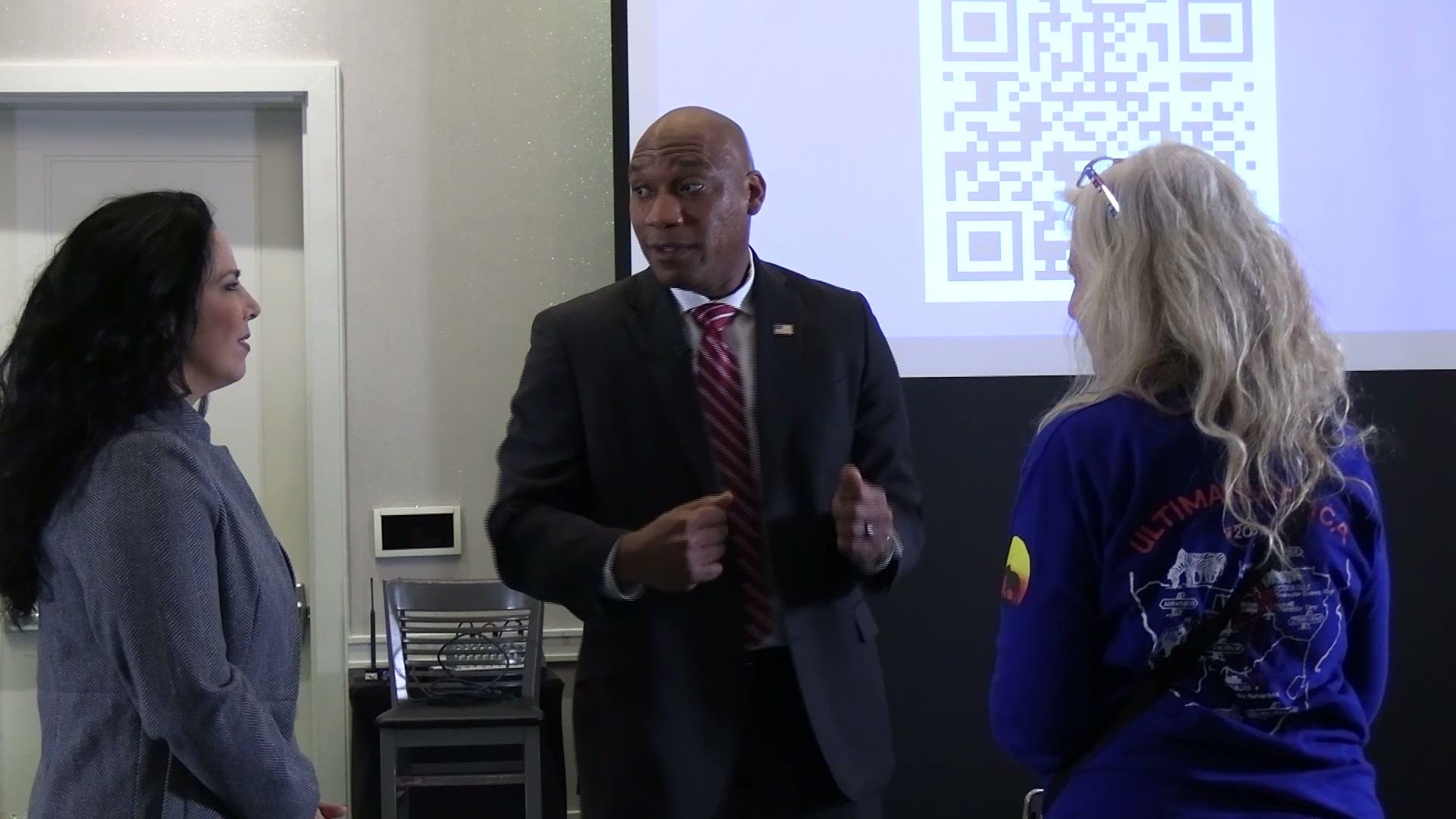
Antomius Wise approaches strategic philanthropy through this broader educational lens. With experience as a former NFL athlete, former U.S. Secret Service Special Agent, MBA, strategic philanthropy educator, and founder of WPSM.org, his work focuses on helping leaders examine the systems beneath visible outcomes.
The objective is not simply to encourage greater giving.
It is to encourage greater understanding.
Because lasting impact is rarely determined by capital alone. It is shaped by how resources are structured, how institutions are governed, how incentives are aligned, and how leaders think about the future.
Strategic philanthropy begins when those invisible structures become part of the conversation.