
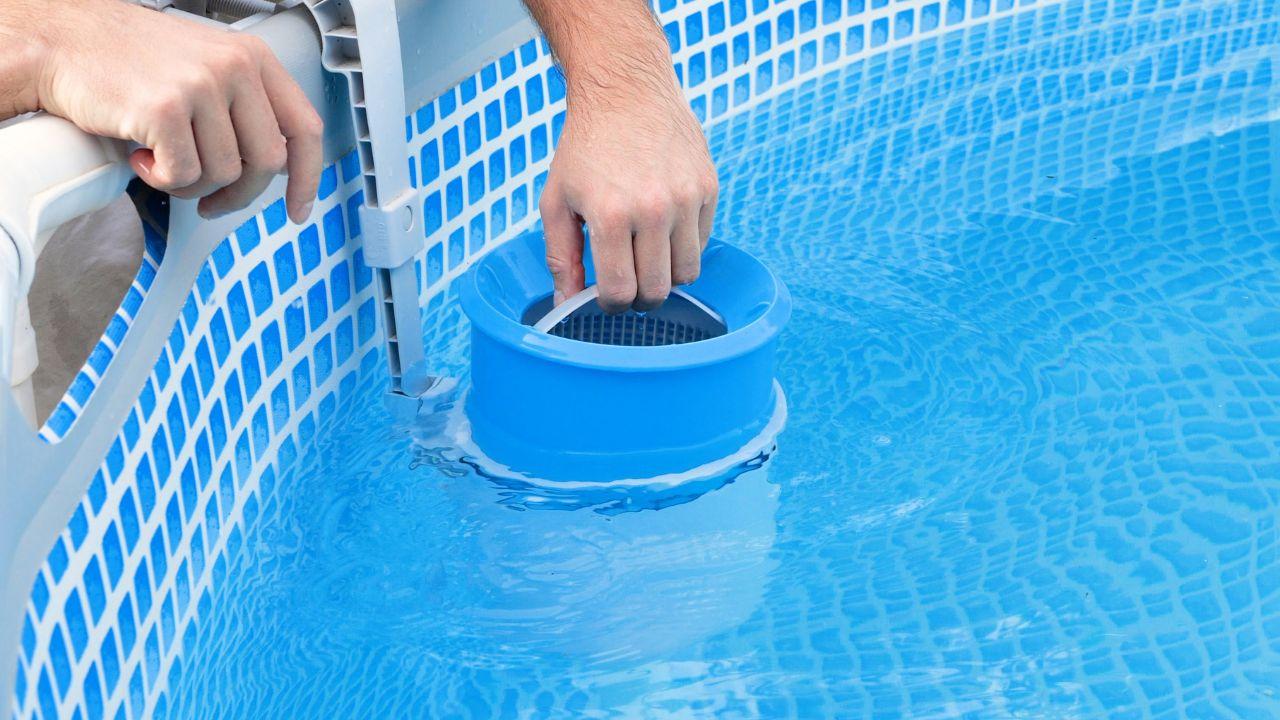
Swimming Pool Pump Repair & Replacement in Singapore is essential when a pool pump starts making unusual noises, loses pressure, or fails to circulate water properly. Singapore’s warm, humid climate means swimming pools require consistent circulation and filtration. Understanding common pump problems can help pool owners identify issues early and avoid more expensive repairs.
Why Swimming Pool Pumps Are Important
A swimming pool pump is one of the most important components of a pool circulation system. It draws water from the pool, sends it through the filtration system, and returns clean water back into the pool.
Without proper circulation, several problems can develop, including:
- Poor water circulation
- Uneven chemical distribution
- Cloudy or dirty water
- Increased algae growth
- Filter performance issues
- Higher operating costs
Because the pump operates regularly, normal wear and tear can eventually affect its performance. Prompt attention to small issues can prevent them from becoming major equipment failures.
1. Swimming Pool Pump Is Not Starting
One of the most frustrating pump problems is when the motor does not start at all. You may switch the pump on and hear nothing, or the pump may start briefly before shutting down.
Several factors can cause this problem, such as:
- Electrical supply problems
- A faulty circuit breaker
- Damaged wiring
- Motor failure
- A defective capacitor
- Overheating protection activation
- Problems with the timer or control system
Before assuming that the entire pump needs replacement, a professional should inspect the electrical and mechanical components. In some cases, replacing a small component may restore the pump to normal operation.
2. Low Water Pressure
Low pressure is another common swimming pool pump problem. You might notice weaker water flow from the pool return jets or reduced circulation around the pool.
Possible causes include:
- A clogged filter
- Blocked skimmer baskets
- A dirty pump basket
- Air entering the suction line
- Water level being too low
- Blocked pipes
- A worn pump impeller
A pump cannot circulate water efficiently if something restricts the flow before or after the pump. Cleaning the relevant components and checking the circulation system can often help identify the source.
If low pressure continues despite basic maintenance, professional inspection may be necessary.
3. Pump Making Unusual Noises
A properly functioning pump should produce a consistent operating sound. If it suddenly becomes much louder, starts rattling, grinding, humming, or vibrating excessively, there may be an underlying mechanical problem.
Common causes include:
- Worn bearings
- Loose components
- Debris inside the pump
- Damaged impeller
- Motor problems
- Poor installation
- Cavitation
Ignoring unusual noises is generally not a good idea. A minor mechanical issue can become more serious if the pump continues operating under abnormal conditions.
Early inspection can help determine whether the pump needs a simple repair or more extensive attention.
4. Pump Is Leaking Water
Water around the pump area can indicate a seal, connection, or housing problem. Even a small leak should be investigated because continued water exposure can potentially affect nearby electrical components.
Common reasons for pump leaks include:
- Damaged mechanical seals
- Loose fittings
- Cracked pump housing
- Worn O-rings
- Faulty pipe connections
- Improper installation
A professional technician can inspect the pump and determine where the water is coming from. Depending on the condition of the equipment, replacing a seal or connection may solve the problem.
5. Pump Keeps Losing Its Prime
A pump needs to maintain proper water flow to operate correctly. If it repeatedly loses its prime, the pump may struggle to circulate water efficiently.
Potential causes include:
- Air leaks in the suction line
- Low pool water level
- Loose pump lid
- Damaged O-ring
- Blocked suction line
- Problems with valves
- Leaking pipe connections
Repeated loss of prime should not simply be treated as a routine inconvenience. It can indicate a circulation problem that requires proper diagnosis.
6. Pump Is Overheating
Swimming pool pumps generate heat during operation, and excessive heat can damage motor components. If a pump becomes unusually hot or repeatedly shuts itself off, overheating may be involved.
Possible causes include:
- Poor ventilation
- Electrical problems
- Excessive workload
- Blocked water flow
- Motor problems
- Worn components
- Incorrect pump sizing
Singapore's warm weather can make proper equipment ventilation particularly important. Pool owners should make sure the pump area is appropriately ventilated and free from unnecessary obstructions.
If overheating happens repeatedly, professional inspection is recommended rather than continuing to restart the pump.
7. Air Bubbles in the Pool Return
Seeing some air movement in a pool system can sometimes indicate that air is entering the circulation line. If bubbles continuously appear from the return jets, the pump may not be receiving a consistent water supply.
Possible causes include:
- Air leaks around the pump lid
- Loose fittings
- Low water levels
- Suction-side leaks
- Poorly sealed connections
Checking the pump basket lid, O-ring, water level, and visible connections may help identify obvious issues. Persistent bubbles, however, may require professional troubleshooting.
8. Clogged Pump Basket
The pump basket catches leaves, dirt, and other debris before they enter the pump. Over time, accumulated debris can restrict water flow.
A clogged basket can lead to:
- Reduced circulation
- Increased pump workload
- Lower water pressure
- Reduced filtration performance
- Potential overheating
Regularly inspecting and cleaning the pump basket is therefore an important part of pool maintenance.
However, if the basket becomes clogged unusually quickly, there may be a larger issue with pool cleanliness or circulation that should also be investigated.
9. Damaged or Worn Impeller
The impeller plays a key role in moving water through the pump. If it becomes clogged, damaged, or worn, water circulation can decrease.
Small debris can sometimes become trapped around the impeller, while long-term use can contribute to wear.
Signs of a potential impeller problem include:
- Weak water flow
- Reduced pump performance
- Unusual noises
- Pressure changes
- Difficulty maintaining normal circulation
Cleaning may resolve some blockages, but a damaged impeller may need replacement.
10. Electrical and Motor Problems
The motor is effectively the heart of the swimming pool pump. Electrical or motor-related problems can prevent the system from operating properly.
Possible symptoms include:
- Pump failing to start
- Motor shutting down unexpectedly
- Humming without proper operation
- Burning smells
- Excessive heat
- Frequent circuit breaker trips
Electrical problems should be handled carefully. Pool equipment combines electricity and water, so attempting complicated electrical repairs without appropriate knowledge can create unnecessary risks.
A qualified technician can test the relevant components and determine whether the issue is repairable.
Repair or Replace: Which Option Makes Sense?
Not every pump problem means the entire unit needs to be replaced. The appropriate solution depends on the pump's age, condition, efficiency, and the specific fault.
When Repair May Be Suitable
Repair may make sense when:
- The pump is relatively new
- The motor remains in good condition
- A replaceable component has failed
- The pump housing is undamaged
- Repair costs are reasonable
- The pump still meets the pool's requirements
Replacing a seal, capacitor, O-ring, or other individual component may restore functionality without requiring a complete replacement.
When Replacement May Be More Practical
Replacement may be considered when:
- The pump is old
- Major components are damaged
- Repairs are becoming frequent
- The pump is inefficient
- Replacement parts are difficult to obtain
- Repair costs approach the price of a new pump
- The existing pump is incorrectly sized
Professional Swimming Pool Pump Repair & Replacement in Singapore can help pool owners understand the available options before making a decision.
How Singapore's Climate Can Affect Pool Pumps
Singapore's tropical environment means pool equipment operates in a warm and humid setting throughout much of the year. Regular pool use, rainfall, humidity, and environmental debris can all contribute to maintenance requirements.
For example, heavy rainfall can introduce additional debris into outdoor pools, while consistently warm conditions can increase the importance of proper equipment ventilation.
This does not mean every pump will experience problems, but it highlights why regular inspection and preventive maintenance can be useful for residential and commercial pool systems.
Preventive Maintenance Can Reduce Pump Problems
The best way to deal with many pump problems is to identify them before they become major failures.
A basic maintenance routine can include:
- Checking the pump basket regularly
- Keeping the pool at an appropriate water level
- Cleaning the pool and surrounding area
- Monitoring unusual pump sounds
- Checking for visible leaks
- Inspecting water flow
- Keeping the equipment area clear
- Scheduling professional inspections
- Addressing small performance changes promptly
Regular maintenance can help extend equipment life and maintain consistent pool circulation.
Why Professional Pump Inspection Matters
Some pump problems are easy to identify, while others can have several possible causes. For example, low water pressure could result from a dirty filter, blocked plumbing, air entering the system, or an internal pump problem.
A professional inspection can help identify the actual source rather than simply treating the visible symptom.
Infinity Pool Services Pte Ltd can assist pool owners with evaluating pump-related problems and determining whether repair or replacement is appropriate for their equipment.
Professional attention is particularly useful when the pump has electrical issues, persistent leaks, repeated overheating, or serious mechanical problems.
What to Check Before Calling a Pool Pump Professional
Before arranging a service visit, pool owners can note a few details about the problem.
Consider:
- When did the problem begin?
- Does the pump start normally?
- Has the water flow changed?
- Is the pump making a new noise?
- Is there visible water around the equipment?
- Does the pump shut down during operation?
- Has the pool filter or pump basket been cleaned recently?
- Has the pump required repairs several times recently?
Providing these details can help a technician understand the symptoms more efficiently.
Choosing the Right Pump for Replacement
If replacement becomes necessary, selecting a new pump should not be based only on price. The pump needs to be appropriate for the pool's size, circulation requirements, plumbing configuration, and filtration system.
Important considerations include:
- Pump capacity
- Flow rate
- Energy efficiency
- Compatibility with existing equipment
- Motor type
- Installation requirements
- Availability of replacement parts
- Long-term operating costs
Choosing an unsuitable pump can create circulation problems or result in unnecessary energy consumption. A professional assessment can help determine what specifications are appropriate.
Final Thoughts
Common pump issues such as low pressure, leaks, overheating, unusual noises, and poor circulation should not be ignored. Swimming Pool Pump Repair & Replacement in Singapore can restore reliable pool circulation when problems occur. With proper inspection and maintenance, Infinity Pool Services Pte Ltd can help pool owners address pump issues and keep their swimming systems operating efficiently.