
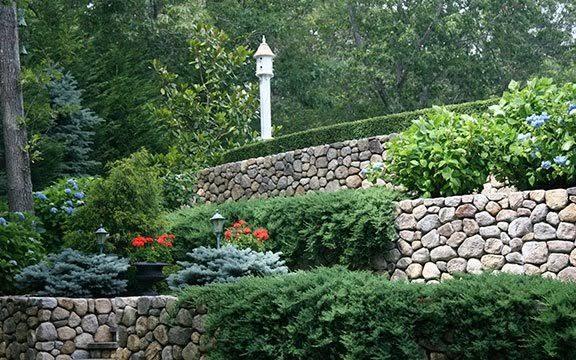
A retaining wall can do much more than separate different levels of a yard. When properly planned and constructed, it can help organize sloped areas, create additional usable space, support landscape features, and give an outdoor property a more structured appearance. Because retaining walls interact directly with soil, drainage, and changes in elevation, their construction requires careful preparation.
Vicente Outdoor Living provides retaining wall installation in Tyler and surrounding East Texas communities. The company offers several retaining wall solutions, including segmental retaining walls, boulder walls, limestone block walls, and terraced planter walls. Its process emphasizes proper base preparation, drainage, backfill, and reinforcement where appropriate.
Understanding The Purpose Of A Retaining Wall
Properties with slopes or significant grade changes can present challenges when homeowners want to create functional outdoor areas. Soil can move downhill, usable space may be limited, and water can collect in unwanted locations. A carefully designed wall can help manage these conditions while becoming part of the overall landscape.
A retaining wall contractor Tyler TX homeowners choose should consider more than the visible face of the wall. The foundation, drainage strategy, soil conditions, wall height, materials, and surrounding landscape all contribute to the finished result. Vicente Outdoor Living evaluates these elements as part of its retaining wall design and installation process.
Creating More Usable Yard Space
Sloped backyards do not always provide convenient areas for patios, planting beds, seating, or other outdoor activities. Retaining walls can divide different elevations and help establish more defined sections of a property. Terraced areas can also make an irregular yard feel more organized.
Vicente Outdoor Living offers terraced planter walls and limestone block walls designed to control grade changes while creating usable planting areas. When combined with patios, walkways, landscaping, or other outdoor features, retaining walls can become an important part of a larger backyard layout.
Managing Drainage Behind The Wall
Water management is one of the important considerations in retaining wall construction. Water that remains trapped behind a wall can create pressure against the structure and contribute to long-term problems. For this reason, drainage should be considered during the planning and installation stages rather than treated as an afterthought.
Vicente Outdoor Living's retaining wall systems can include perforated drainage pipe, clean gravel backfill, and weep paths to help relieve pressure. The company specifically emphasizes proper drainage along with a compacted base and suitable backfill as part of its construction approach.
Two important elements to consider during retaining wall planning include:
- The wall should be supported by an appropriately prepared and compacted base.
- Drainage should be incorporated behind the wall to help manage water and reduce pressure.
These construction details may not be visible after completion, but they can have an important role in the performance of the finished structure.
Choosing The Right Retaining Wall Material
Different materials can create different appearances and may suit different landscape styles. Segmental retaining wall blocks can provide a clean, structured appearance, while natural boulder walls can blend more organically with surrounding landscaping. Limestone blocks can also create a distinctive look for properties where natural materials are preferred.
An experienced retaining wall contractor Tyler TX can help homeowners consider the property's existing materials, grade, landscaping, and desired appearance when selecting a wall system. Vicente Outdoor Living installs segmental retaining walls, boulder walls, limestone block walls, and terraced planter walls.
Building A Strong Foundation
The visible portion of a retaining wall is only one part of the installation. A properly prepared foundation provides support for the wall and helps establish a stable starting point. Excavation, leveling, compaction, and appropriate base materials can all influence the finished structure.
Vicente Outdoor Living states that its retaining wall process begins with layout, excavation, and a compacted base before adding drainage, backfill, and geogrid reinforcement where appropriate. This construction sequence is designed to address the structural requirements of the wall before finishing details are added.
Adding Reinforcement Where Needed
Certain retaining wall projects require additional reinforcement because of the site's grade, wall height, soil conditions, or other project characteristics. Geogrid reinforcement can be incorporated into suitable wall systems when the design calls for it.
Vicente Outdoor Living notes that geogrid reinforcement is used where appropriate as part of its retaining wall construction. The exact requirements of a project depend on site conditions and the selected wall system, which is why evaluating the property before construction is important.
Combining Retaining Walls With Landscaping
A retaining wall does not have to look like an isolated structural feature. It can become part of the landscape design through planting areas, decorative materials, pathways, lighting, and other outdoor elements. Terraced walls can also provide defined locations for plants and garden features.
Vicente Outdoor Living provides landscaping and hardscaping services in addition to retaining wall installation. This allows retaining walls to be considered alongside other components of the yard when homeowners are planning a larger outdoor improvement project.
Adding Stairs, Caps And Seating
Retaining walls can also include functional finishing details. Steps can make different elevations easier to access, while wall caps can provide a finished appearance. In suitable designs, seating ledges can turn part of the wall into an additional place to sit.
Vicente Outdoor Living lists stairs, coping, caps, and seating ledges among its retaining wall options. These details can help connect the wall with patios, pathways, gathering areas, and other features included in the surrounding landscape.
Retaining Walls As Part Of Outdoor Living Design
A retaining wall can become especially useful when it is included in a broader backyard plan. For example, a wall may define a patio edge, separate planting areas, support a change in elevation, or help create a more practical route between different parts of the yard.
For homeowners searching for a retaining wall contractor Tyler TX, a design-build company can coordinate the wall with other outdoor features from the beginning. Vicente Outdoor Living provides retaining walls alongside patios, pergolas, walkways, outdoor kitchens, artificial turf, landscaping, and other outdoor living improvements.
Planning The Project Around Your Property
Every retaining wall project has different requirements. The available space, slope, soil, drainage, existing structures, access, and intended use of the surrounding area can all affect the final design. Taking these conditions into account can help create a wall that fits naturally into the property.
Vicente Outdoor Living uses an on-site consultation and preconstruction process to understand project goals and site conditions before construction. Its design-build workflow includes planning, estimating, construction, and a final walkthrough under one team.
Creating A More Organized Landscape
Retaining walls can give an uneven property a clearer structure by dividing elevations into defined areas. Instead of allowing a slope to dominate the backyard, homeowners can use grade changes as part of the landscape design. The finished result can include planting zones, walkways, patios, seating areas, or other outdoor features.
A properly planned retaining wall contractor Tyler TX project can therefore address both practical and visual considerations. Vicente Outdoor Living focuses on combining proper base preparation, drainage, quality materials, and finishing details to create retaining walls that integrate with the broader outdoor environment.
Conclusion
A retaining wall can provide valuable support for sloped landscapes while also improving the organization and usability of an outdoor property. From segmental blocks and natural boulders to limestone and terraced planter walls, different systems can be selected according to the property's needs and desired appearance.
Vicente Outdoor Living provides retaining wall installation in Tyler and nearby East Texas communities, with services that include site preparation, drainage systems, reinforcement where appropriate, backfill, caps, stairs, and seating features. By coordinating retaining walls with landscaping and other outdoor improvements, homeowners can create a more functional and cohesive backyard.