
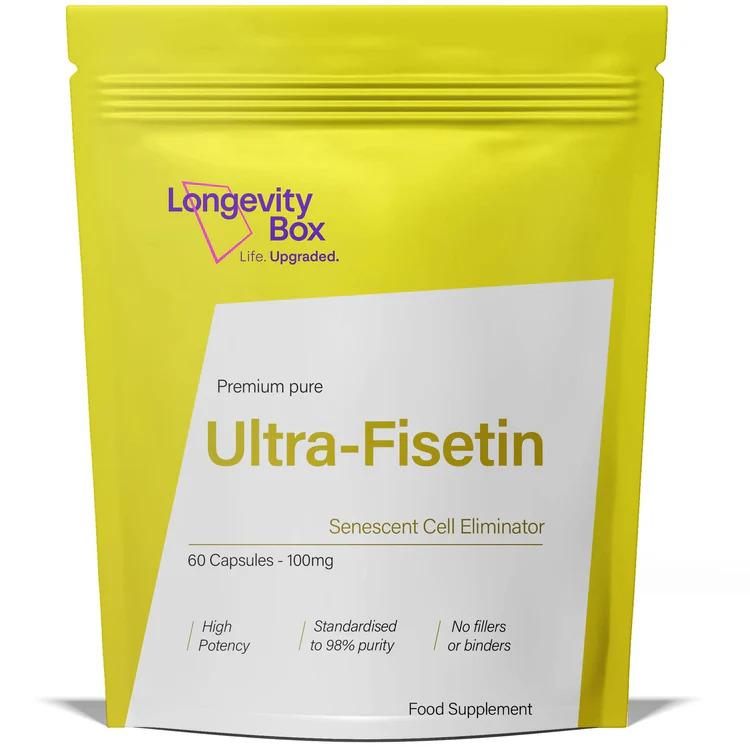
If you are wondering what fisetin does in the body, current research points to a naturally occurring flavonoid being studied for its antioxidant, cellular, and healthy-aging properties. Fisetin is found in foods such as strawberries, apples, and onions, although dietary amounts are relatively small.
One key area of research is cellular senescence. Senescent cells are damaged or aged cells that stop dividing but can remain metabolically active. Laboratory studies have investigated whether fisetin may influence these cells, which has increased interest in its potential role in healthy aging. Fisetin has also been studied for antioxidant activity and its effects on inflammatory and cellular signaling pathways.
So, what does a fisetin supplement do? It provides a concentrated source of fisetin compared with typical dietary intake. However, human research is still developing, and evidence from laboratory or animal studies should not be treated as proof of the same effects in people.
When considering a fisetin supplement, check the ingredient amount, purity, serving instructions, and testing information. Look for transparent product labeling rather than relying on broad anti-aging claims.
Overall, fisetin is an interesting research compound, but more human clinical evidence is needed. Longevity Box Ltd encourages informed supplement choices based on current evidence and responsible product evaluation.