
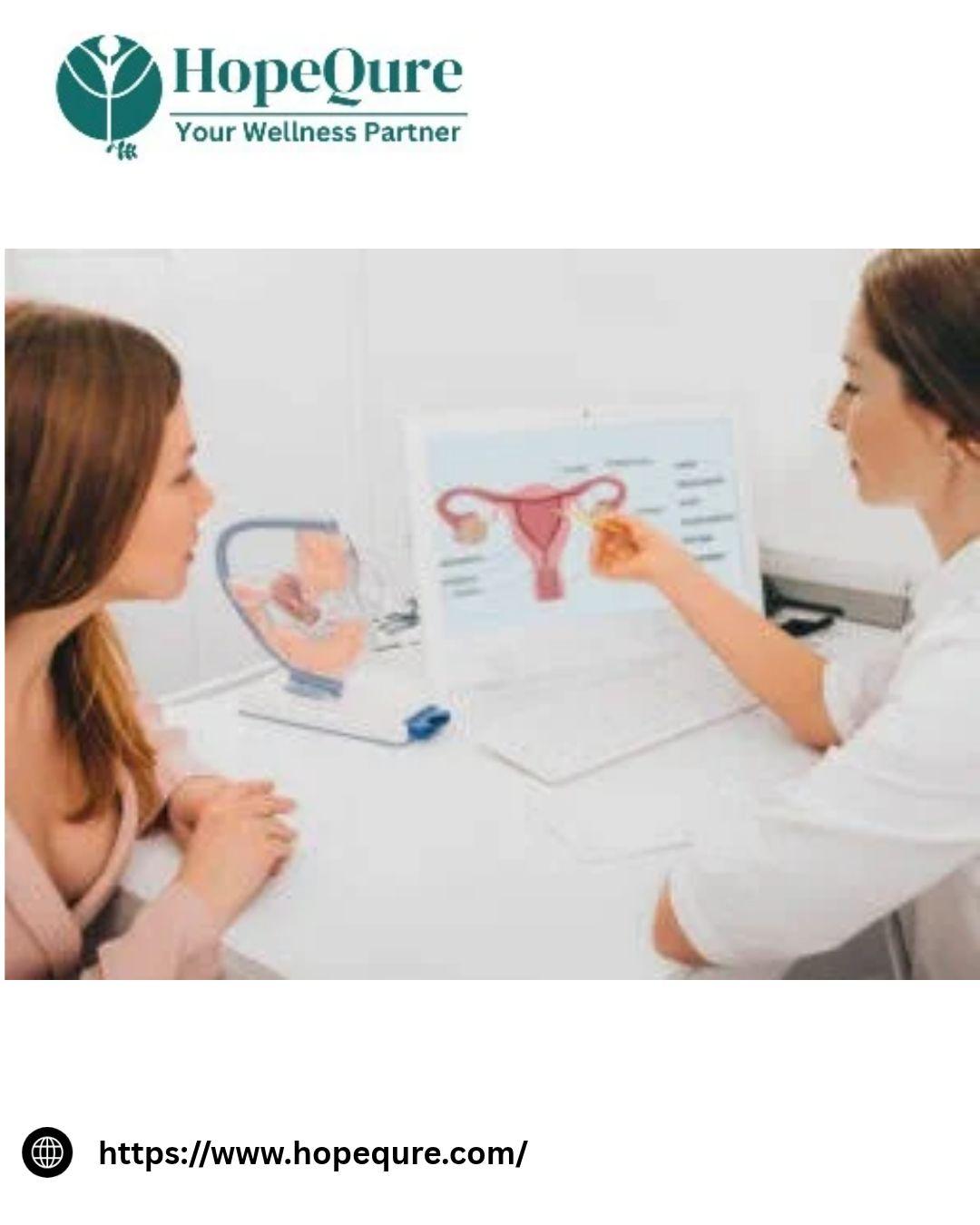
Polycystic ovary syndrome (PCOS) is a common hormonal condition that can affect menstrual cycles, ovulation, skin, weight, and fertility. Because symptoms can differ significantly from one woman to another, getting appropriate medical guidance is important for understanding what may be happening in the body. An online gynecologist consultation for PCOS can provide women with a convenient way to discuss symptoms, understand possible causes, review medical history, and learn about appropriate next steps without having to travel to a clinic for every concern.
Understanding PCOS and Its Symptoms
PCOS is a hormonal and metabolic condition associated with changes in ovarian function and hormone levels. The condition does not look exactly the same in every woman. Some women experience irregular periods, while others may notice acne, increased facial or body hair, difficulty managing weight, or challenges related to ovulation.
Because these symptoms can overlap with other health conditions, it is important not to assume that every irregular menstrual cycle is caused by PCOS. A gynecologist can evaluate the overall pattern of symptoms and medical history before determining whether further evaluation may be appropriate.
Common symptoms associated with PCOS can include:
-
Irregular or infrequent menstrual periods
-
Changes in menstrual flow
-
Acne or oily skin
-
Increased facial or body hair
-
Hair thinning or hair loss
-
Weight changes
-
Difficulty with ovulation
-
Fertility concerns
-
Skin changes such as darkened areas or skin tags
Some women may have only a few symptoms, while others may experience several at the same time.
Why Medical Guidance Matters for PCOS
PCOS is not simply a menstrual-cycle problem. Hormonal changes associated with the condition can affect different aspects of health. For this reason, managing symptoms often involves looking at the broader picture rather than focusing on one symptom alone.
A healthcare professional may ask about menstrual history, weight changes, skin symptoms, hair growth, medications, previous diagnoses, family history, and reproductive goals. Depending on the situation, the doctor may also recommend laboratory tests or other evaluations.
Early professional guidance can help women understand their symptoms and avoid relying solely on online information or self-diagnosis.
How Online Gynecologist Consultation Can Help
One of the major advantages of an online consultation is convenience. Women can speak with a gynecologist from home using a smartphone, tablet, or computer. This can be particularly useful for those who have busy schedules, live far from a healthcare facility, or feel more comfortable discussing sensitive menstrual or reproductive concerns from a familiar environment.
During a virtual appointment, a gynecologist can discuss symptoms and medical history, answer questions, review available reports, and explain whether an in-person examination or additional testing may be needed.
Online consultation does not necessarily replace physical healthcare. Instead, it can serve as a convenient first point of contact and a way to maintain communication with a healthcare professional.
What Happens During a PCOS Consultation?
A PCOS consultation usually begins with a discussion of symptoms and menstrual history. The doctor may want to know when the symptoms started, how frequently periods occur, and whether there have been recent changes.
The consultation may cover:
Menstrual History
Tracking menstrual cycles can provide useful information. A doctor may ask about the length of cycles, missed periods, bleeding patterns, and changes compared with previous months.
Hormonal Symptoms
Questions about acne, excessive hair growth, hair thinning, and other hormonal symptoms can help the doctor understand the overall pattern.
Weight and Lifestyle
Physical activity, dietary patterns, sleep, stress, and changes in body weight may also be discussed because metabolic and lifestyle factors can be relevant when managing PCOS.
Reproductive Goals
Women who are trying to conceive may have different concerns from women who are currently focused on managing menstrual or hormonal symptoms. Sharing reproductive goals can help the doctor understand what type of guidance may be relevant.
Previous Medical Reports
If a woman has already undergone blood tests, ultrasound examinations, or previous consultations, she may be able to share those reports during an online appointment, depending on the healthcare platform.
PCOS and Irregular Periods
Irregular periods are one of the symptoms commonly associated with PCOS. However, irregular menstruation can have many possible causes, including hormonal changes, thyroid disorders, significant weight changes, stress, certain medications, excessive exercise, and other gynecological conditions.
This is why self-diagnosing PCOS based solely on irregular periods is not recommended.
Keeping a menstrual calendar can make consultations more useful. Women can record the first day of each period, approximate cycle length, duration of bleeding, and any unusual symptoms. Having this information available can help the doctor understand the menstrual pattern more clearly.
The Role of PCOS Online Consultation in India
Access to healthcare can sometimes be difficult because of work schedules, distance, transportation, or concerns about discussing reproductive health in person. A PCOS online consultation India service can make it easier for women to connect with a gynecologist remotely.
Online consultations can be especially useful for initial discussions, follow-up appointments, reviewing previously available information, and asking questions about ongoing symptoms. They may also help women understand whether they need an in-person appointment or additional investigations.
However, online consultation has limitations. Certain situations require physical examination, urgent evaluation, imaging, or laboratory testing. A gynecologist can help determine when those steps are necessary.
Can PCOS Be Managed?
PCOS is generally considered a long-term condition, but its symptoms can often be managed with appropriate medical care and lifestyle approaches. Management depends on the individual's symptoms, health status, age, and reproductive goals.
There is no single approach that works for every woman. A healthcare professional may focus on menstrual regulation, management of acne or unwanted hair growth, metabolic health, fertility-related concerns, or other individual priorities.
Treatment decisions should be made with a qualified healthcare professional rather than based on generalized recommendations found online.
Lifestyle Habits and PCOS Management
Lifestyle habits can play an important role in overall health for people with PCOS. Depending on individual circumstances, doctors may discuss regular physical activity, balanced nutrition, adequate sleep, and stress management.
A healthy lifestyle does not mean following extreme diets or attempting rapid weight loss. Sustainable habits are generally more practical for long-term health.
Some useful habits may include:
-
Eating a balanced variety of foods
-
Including adequate protein and fiber
-
Staying physically active
-
Maintaining a regular sleep schedule
-
Managing stress through healthy activities
-
Avoiding unnecessary restrictive diets
-
Keeping track of menstrual cycles and symptoms
These habits should complement professional medical guidance rather than replace it.
When Should You Consult a Gynecologist?
Women may consider speaking with a gynecologist if menstrual cycles become consistently irregular, periods are frequently missed, or other symptoms associated with hormonal changes appear.
Medical advice can also be useful when symptoms are affecting daily life, emotional well-being, reproductive planning, or general health.
Some symptoms may require more urgent attention. For example, unusually heavy bleeding, severe pelvic pain, fainting, or symptoms associated with pregnancy complications should not be managed through routine online consultation alone. In such circumstances, prompt medical evaluation may be necessary.
Preparing for an Online Gynecologist Appointment
A little preparation can make a virtual consultation more productive. Before the appointment, consider writing down your main concerns and keeping relevant medical information nearby.
You may want to prepare:
-
Your recent menstrual dates
-
A list of current medications and supplements
-
Previous medical reports
-
Details about any diagnosed conditions
-
Symptoms and when they began
-
Questions about your menstrual or hormonal health
-
Information about your reproductive goals, if relevant
Being open and specific about symptoms can help the doctor understand your concerns more effectively.
Why Tracking Your Periods Can Help
Period tracking is useful not only for identifying irregular cycles but also for noticing changes over time. A sudden change in cycle frequency, duration, or bleeding pattern may provide useful information during a consultation.
A simple period diary can include:
-
Start and end dates
-
Number of days between periods
-
Approximate bleeding intensity
-
Pain or cramps
-
Spotting
-
Acne or skin changes
-
Mood or energy changes
-
Other unusual symptoms
Digital period-tracking applications can make this process easier, but a simple calendar or notebook can work just as well.
Understanding the Connection Between Hormones and Menstrual Cycles
The menstrual cycle involves a coordinated interaction between several hormones. Changes in hormonal signaling can influence ovulation and menstrual regularity.
In PCOS, hormonal and metabolic factors can interfere with normal ovulation in some women. This may contribute to longer or irregular menstrual cycles.
Understanding this connection can help women recognize why simply treating one symptom may not address the broader issue. A gynecologist can evaluate symptoms together rather than considering each one in isolation.
When Irregular Periods Need Professional Attention
An occasional change in menstrual timing does not necessarily indicate a serious condition. Stress, illness, travel, lifestyle changes, and other temporary factors can affect menstrual cycles.
However, repeated irregularity deserves attention, particularly when it occurs alongside symptoms such as unusual hair growth, persistent acne, unexplained weight changes, or fertility concerns.
For women who cannot easily visit a clinic, an irregular periods online doctor consultation can be a convenient starting point for discussing menstrual changes with a healthcare professional.
Online Consultation for Follow-Up Care
Healthcare does not always involve a single appointment. PCOS management may require ongoing monitoring depending on symptoms and treatment goals.
Online follow-up appointments can make continued communication more convenient. A woman may use a follow-up consultation to discuss changes in symptoms, ask questions about an existing care plan, or share new medical information.
Whether online or in person, follow-up care should be based on the recommendations of the treating healthcare professional.
Common Questions Women Have About PCOS
Is every irregular period a sign of PCOS?
No. Irregular periods can have several causes. PCOS is one possible cause, but a healthcare professional should evaluate the overall symptoms and medical history.
Can PCOS be diagnosed through an online consultation?
An online consultation can help a doctor discuss symptoms and medical history and determine what evaluation may be appropriate. Depending on the situation, physical examination, blood tests, ultrasound, or other investigations may still be required.
Can PCOS symptoms change over time?
Yes. Symptoms can vary between individuals and may also change over time. This is one reason ongoing medical guidance can be useful.
Can lifestyle changes cure PCOS?
Lifestyle measures can support overall health and may help with some PCOS-related symptoms, but PCOS is a complex condition. Women should discuss individual management with a qualified healthcare professional.
Making Healthcare More Convenient
Online healthcare has changed how many people access professional guidance. For gynecological concerns, virtual appointments can reduce some of the practical barriers associated with visiting a clinic.
For women managing PCOS, online consultations can provide an opportunity to discuss symptoms, ask questions, review existing information, and understand possible next steps from home.
At the same time, it is important to recognize the boundaries of virtual care. A doctor may recommend an in-person assessment when symptoms require examination, testing, imaging, or urgent care.
Final Thoughts
PCOS can affect menstrual health and several other aspects of well-being, but symptoms and experiences vary widely from one woman to another. Understanding the condition starts with recognizing symptoms, tracking changes, and seeking appropriate professional guidance rather than relying on self-diagnosis. An online gynecologist consultation for PCOS can offer a convenient way to begin a conversation about symptoms and possible next steps, while in-person care can be arranged when further evaluation is needed. With appropriate medical guidance and consistent follow-up, women can better understand their menstrual and hormonal health and make informed decisions about their care.