
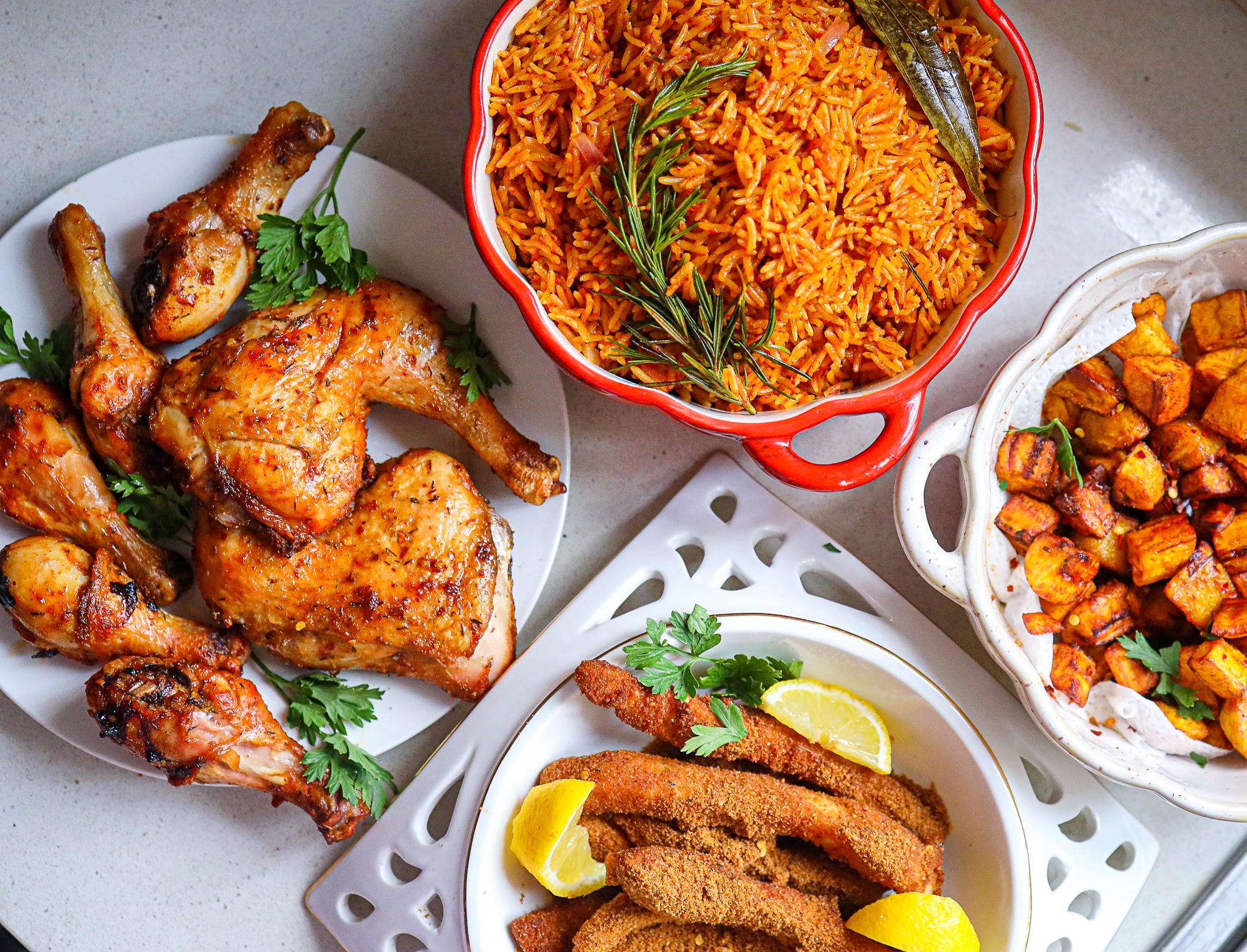
Nigerian cuisine is a bold, unapologetic celebration of flavor. It is a culinary tradition built on deep umami bases, rich and vibrant oils, aromatic spices, and a brilliant interplay of textures. For those living in the diaspora across the United States, the United Kingdom, and Canada, the desire to recreate these authentic meals at home is a powerful way to stay connected to their roots. However, cooking traditional Nigerian food in a Western kitchen presents a unique set of challenges. Fortunately, with the rise of dedicated culinary platforms like Nigerian Food Suppliers, the art of West African cooking is becoming more accessible than ever for expatriates and culinary enthusiasts alike.
The foundation of many Nigerian dishes is the iconic “red stew.” This vibrant, deeply flavorful tomato-based sauce is arguably the most versatile element in a Nigerian kitchen. Made from a blended mix of tomatoes, red bell peppers (tatashe), onions, and the fiery heat of scotch bonnets, the stew serves as a base for everything from plain white rice to boiled yams and plantains. Mastering this base is the first step for any diaspora cook. The recipes provided on specialized platforms break down the nuances of achieving the perfect stew—from boiling down the tomato mix to remove the sourness, to frying it in oil until the flavors concentrate and separate.
No exploration of Nigerian food is complete without delving into the rich world of traditional soups and "swallows." Unlike Western soups, which are often thin and eaten with a spoon, Nigerian soups are thick, hearty, and texturally complex, designed to be scooped up by hand using a starchy accompaniment known as a swallow. Swallows include staples like fufu (made from fermented cassava), pounded yam, and eba (made from roasted cassava flakes known as garri). Visit Nigerian Food Suppliers
The soups themselves are masterpieces of flavor layering. Egusi soup, made from ground melon seeds, is arguably the most popular, featuring a rich, nutty profile packed with leafy greens and assorted meats. Ogbono soup, made from wild mango seeds, offers a unique, viscous texture that pairs perfectly with fufu. For those seeking vegetable-forward dishes, Efo Riro (a rich spinach stew) and Edikang Ikong provide incredible nutritional density. The challenge for diaspora cooks often lies in getting the techniques right—such as knowing when to add palm oil or how to prevent lumps in your swallow. Comprehensive step-by-step guides explicitly written for real kitchens in the US, UK, and Canada help demystify these processes.
Then, there is the undeniable king of West African party food: Jollof Rice. Jollof is more than just a meal; it is a cultural touchstone and a source of fierce regional pride. Authentic Nigerian Jollof is characterized by its use of long-grain parboiled rice, a rich tomato and pepper base, and, most importantly, its signature smoky flavor, traditionally achieved by cooking over firewood. Recreating that "party Jollof" smokiness on an electric or gas stove in an apartment in Toronto or London takes specific techniques, such as allowing the rice to slightly catch and burn at the bottom of the pot. Accessing detailed, tested recipes ensures that diaspora cooks can deliver this show-stopping dish flawlessly at their own gatherings.
Beyond the main courses, Nigerian street food and snacks hold a special place in the culinary landscape. From the savory, flaky perfection of a baked meat pie filled with minced meat and potatoes, to the sweet, pillowy bite of freshly fried puff puff, these snacks are staples of Nigerian hospitality. Savory fritters like akara (made from peeled black-eyed peas) and spicy grilled skewers like suya bring the vibrant energy of Lagos streets into home kitchens abroad.
To wash it all down, Nigerian cuisine boasts incredibly refreshing traditional beverages. Zobo, a tart and sweet drink made from dried hibiscus leaves, ginger, and cloves, is a staple refreshment. Similarly, the tiger nut drink—a creamy, dairy-free milk made from blended tiger nuts, dates, and coconut—offers a naturally sweet, nutrient-dense alternative to standard store-bought beverages.
Ultimately, mastering Nigerian cooking in the diaspora is about adaptation and education. It is about understanding the delicate balance of spices and the historical context of the dishes. By utilizing the comprehensive recipe guides and culinary breakdowns provided by platforms like Nigerian Food Suppliers, anyone can transform their kitchen into a vibrant hub of West African gastronomy, keeping the rich, communal spirit of Nigerian dining alive and thriving across the globe.