
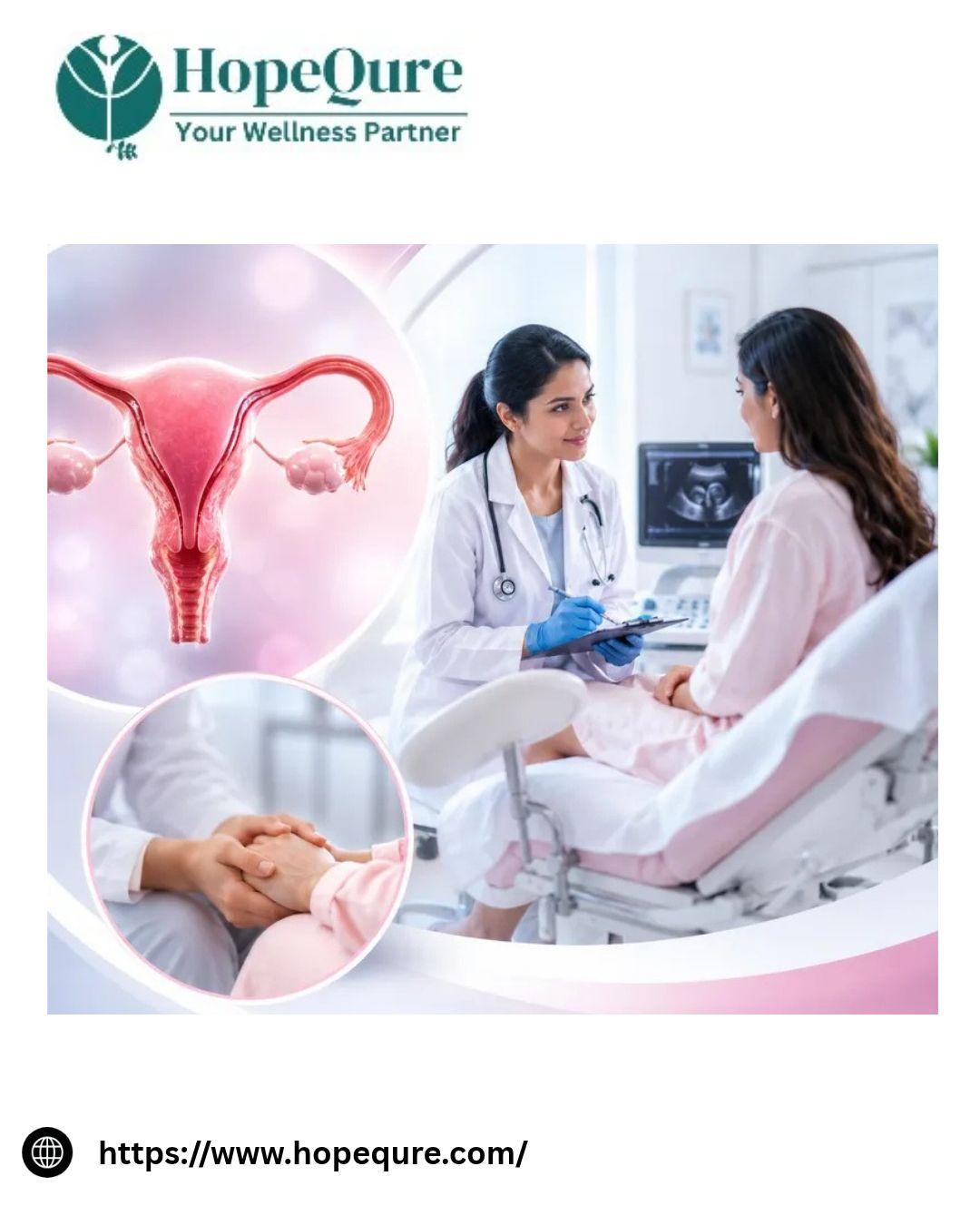
Women may have questions about their menstrual cycle, hormonal health, reproductive system, contraception, vaginal health, or other sensitive concerns that they may not always feel comfortable discussing openly. Access to convenient and private healthcare can make it easier to seek appropriate guidance without unnecessary delays. A female gynecologist online consultation India service allows women to communicate with a gynecologist remotely and discuss health concerns from a familiar environment. Depending on the situation, an online consultation can be useful for initial discussions, follow-ups, understanding symptoms, reviewing relevant reports, and deciding whether an in-person medical assessment may be necessary.
Why Privacy Matters in Women’s Healthcare
Privacy is an important consideration when discussing personal healthcare concerns. Gynecological health can involve topics that some women may find difficult to discuss in a busy clinic or around other people.
Concerns may include:
-
Menstrual irregularities
-
Period pain
-
Vaginal discomfort
-
Unusual vaginal discharge
-
Hormonal symptoms
-
PCOS
-
Fertility concerns
-
Contraception
-
Menopause
-
Sexual health
-
Pregnancy-related questions
-
Reproductive health
When women feel comfortable communicating with their doctor, they may be more willing to provide accurate information about their symptoms and medical history. This information can help the healthcare professional understand the concern and determine what type of evaluation may be appropriate.
What Is a Confidential Online Gynecologist Consultation?
A confidential online gynecologist consultation is a remote healthcare appointment in which a woman communicates with a gynecologist through an online platform. Depending on the provider, communication may take place through video, audio, or another secure consultation method.
During the appointment, the gynecologist may ask about symptoms, menstrual history, previous diagnoses, medications, lifestyle factors, and other relevant information.
The doctor may then provide medical guidance, recommend investigations, discuss possible next steps, or suggest an in-person consultation if a physical examination is required.
Online consultation has limitations. It cannot replace every physical examination, diagnostic procedure, or emergency medical service. However, for appropriate concerns, it can make communication with a gynecologist more accessible.
Benefits of Confidential Online Gynecological Care
There are several reasons women may consider an online consultation when they need gynecological guidance.
1. A More Comfortable Environment
Some women may find it easier to discuss sensitive subjects from home rather than in a clinical environment. Being in a familiar setting can help reduce some of the discomfort associated with discussing intimate health concerns.
A comfortable environment may encourage patients to explain their symptoms more clearly and ask questions they might otherwise avoid.
2. Convenient Access to Medical Guidance
Traveling to a clinic can be difficult for women with demanding work schedules, family responsibilities, mobility limitations, or other commitments.
Online consultations can reduce travel requirements when the concern is suitable for remote care. A woman may be able to communicate with a gynecologist without spending additional time commuting to and from a clinic.
3. Easier Discussion of Sensitive Concerns
Gynecological symptoms can sometimes feel embarrassing to discuss. Women may worry about being judged when describing intimate symptoms.
A private online appointment can provide an opportunity to communicate directly with a healthcare professional in a more controlled environment.
4. Flexible Appointment Options
Depending on the healthcare platform, online consultations may offer different appointment times. This can make it easier for women to find a consultation that fits around work, education, family responsibilities, or other commitments.
5. Support for Follow-Up Care
Some gynecological concerns involve multiple conversations with a doctor. Once an initial evaluation has taken place, certain follow-up discussions may be possible online if the doctor considers remote consultation appropriate.
For example, a patient may need to discuss how symptoms have changed, ask questions about recommendations, or discuss relevant test reports.
What Can You Discuss During an Online Gynecologist Appointment?
An online consultation may be appropriate for discussing many non-emergency women's health concerns.
Menstrual Problems
Periods that are unusually irregular, painful, heavy, prolonged, or absent can have different causes.
A gynecologist may ask about the timing and duration of periods, associated symptoms, medical history, medications, stress, lifestyle changes, and other factors.
Keeping a record of your menstrual cycle can make this discussion more useful.
PCOS-Related Concerns
Polycystic ovary syndrome is a common hormonal condition that can affect menstrual cycles, ovulation, skin, hair growth, and metabolism.
Women who are experiencing irregular periods, acne, unwanted hair growth, or other symptoms may discuss these concerns with a gynecologist.
An online consultation can provide an opportunity to explain symptoms and understand what further assessment might be required.
Vaginal Symptoms
Women may sometimes experience itching, irritation, unusual discharge, odor, or discomfort.
These symptoms can have different causes, and similar symptoms can occur with different conditions. Therefore, self-diagnosis may not always be appropriate.
A gynecologist can ask questions about the symptoms and determine whether an examination or laboratory testing may be needed.
Hormonal Concerns
Hormonal changes can affect menstrual cycles, mood, skin, weight, sleep, and other aspects of health.
A gynecologist can discuss the symptoms and determine whether further evaluation could be appropriate.
Menopause and Perimenopause
Women approaching or experiencing menopause may have questions about irregular periods, hot flashes, sleep changes, vaginal dryness, or other symptoms.
Online consultations can provide a convenient way to discuss these changes and understand available medical options.
Confidential Gynecologist Consultation Online: What to Expect
A confidential gynecologist consultation online generally begins with the patient explaining the reason for the appointment. The doctor may ask questions about symptoms, menstrual history, previous medical conditions, medications, and other relevant factors. Depending on the concern, the gynecologist may discuss possible causes, recommend tests, provide general treatment guidance, or advise an in-person assessment. Before scheduling an appointment, patients should review the healthcare platform's privacy practices and understand how personal information and consultation records are handled.
How to Prepare for a Private Online Consultation
Preparation can help you communicate your concerns more effectively.
Make a Symptom List
Write down the symptoms you are experiencing. Include when they started and whether they are getting better or worse.
Track Your Menstrual Cycle
If your concern involves periods, note:
-
First day of your latest period
-
Average cycle length
-
Duration of bleeding
-
Changes in flow
-
Period-related pain
-
Spotting between periods
-
Other associated symptoms
This information can help the gynecologist understand your menstrual pattern.
Keep Medical Reports Nearby
If you have previous blood tests, ultrasound reports, prescriptions, or other relevant records, keep them accessible during your appointment.
Prepare Questions
It is easy to forget questions during a consultation. Writing them down beforehand can help ensure that you cover the subjects that matter most to you.
Mention Current Medications
Tell the doctor about medicines, supplements, contraceptives, or other products you are currently taking.
Questions You Can Ask Your Gynecologist
You can ask your gynecologist questions related to your symptoms, diagnosis, treatment, or next steps.
For example:
-
What could be causing my symptoms?
-
Do my symptoms require testing?
-
Could my menstrual changes be related to hormones?
-
Should I track anything before my next appointment?
-
Do I need an ultrasound or blood test?
-
Could my current medication affect my symptoms?
-
What symptoms should I monitor?
-
Do I need an in-person examination?
-
How soon should I follow up?
-
When should I seek urgent medical care?
Clear questions can make the consultation more informative.
How Online Consultation Can Help With Sensitive Conversations
Some women postpone medical discussions because they feel embarrassed or uncomfortable. This can sometimes result in delays in seeking professional guidance.
An online appointment may remove some of the practical and emotional barriers associated with visiting a clinic. A woman can choose a private location, prepare her questions beforehand, and communicate with the doctor directly.
However, patients should remember that an online consultation is still a medical consultation. Providing complete and accurate information is important.
Choosing a Female Gynecologist Online
Some women specifically prefer to consult a female gynecologist for personal or cultural reasons. This is a personal preference, and feeling comfortable with the healthcare professional can help facilitate communication.
When selecting an online gynecologist, consider:
Medical Qualifications
Look for appropriate medical qualifications and professional information.
Relevant Experience
Consider whether the doctor regularly addresses the type of concern you want to discuss.
Communication
The doctor should explain medical information clearly and give you an opportunity to ask questions.
Privacy Practices
Review the platform's privacy information before sharing personal medical details.
Consultation Format
Check whether appointments are conducted through video, audio, or another communication method and choose the format you are comfortable using.
The Importance of Accurate Information
Privacy and convenience are valuable, but the quality of medical information shared during the appointment is equally important.
Try to provide accurate details about:
-
Symptoms
-
Menstrual history
-
Previous medical conditions
-
Pregnancy history, when relevant
-
Medications
-
Allergies
-
Previous procedures
-
Test results
-
Lifestyle changes that may be relevant
Do not leave out information simply because it feels embarrassing. Gynecologists routinely discuss sensitive health concerns and use these details to understand the patient's situation.
When an In-Person Appointment May Be Necessary
Online consultation is not appropriate for every gynecological issue.
A doctor may recommend an in-person visit if the situation requires:
-
Physical examination
-
Pelvic examination
-
Ultrasound
-
Blood tests
-
Vaginal or cervical testing
-
Pregnancy assessment
-
Other diagnostic procedures
Following this recommendation is important because some conditions cannot be evaluated accurately through an online conversation alone.
Recognizing Situations That Need Urgent Care
A routine online consultation should not replace emergency medical care.
Women experiencing severe abdominal or pelvic pain, extremely heavy bleeding, fainting, severe weakness, or other sudden and serious symptoms should seek appropriate urgent medical attention.
Similarly, pregnancy-related symptoms that appear severe or concerning should receive prompt medical assessment.
When a symptom appears potentially serious, getting timely in-person care is more important than waiting for a routine online appointment.
Online Gynecology and Women's Healthcare Accessibility
Digital healthcare has expanded the ways people can communicate with healthcare professionals. For women who have difficulty traveling, live far from a suitable specialist, have busy schedules, or simply prefer remote communication for certain concerns, online consultations can provide an additional option.
The value of online care depends on using it for concerns that can reasonably be assessed remotely and recognizing when physical examination or testing is necessary.
Maintaining Regular Women's Health Care
An online consultation should not necessarily be viewed as a replacement for all routine healthcare. Depending on age, medical history, symptoms, and individual circumstances, women may need regular preventive care and recommended screenings.
Gynecological healthcare can include discussions about menstrual health, contraception, reproductive planning, menopause, cervical health, and other concerns.
Maintaining communication with a qualified healthcare professional can help women make informed decisions about when additional evaluation may be necessary.
Building Comfort With Your Healthcare Provider
A strong doctor-patient relationship depends on communication and trust. Women should feel able to explain their symptoms honestly and ask questions when they do not understand something.
If a recommendation is unclear, ask the doctor to explain it again. If you have concerns about a treatment or test, discuss them openly rather than making assumptions.
Healthcare decisions are easier to understand when both the patient and doctor communicate clearly.
Final Thoughts
Confidentiality, comfort, and accessibility can all influence how women approach gynecological healthcare. Online consultations can make it easier to begin a conversation about menstrual, hormonal, reproductive, or other sensitive health concerns while reducing some of the practical challenges associated with visiting a clinic. If you want to talk to gynecologist online privately, choose a qualified healthcare professional, review the platform's privacy practices, prepare your relevant medical information, and be open about your symptoms. When a physical examination or diagnostic testing is required, follow the doctor's recommendation for appropriate in-person care.