
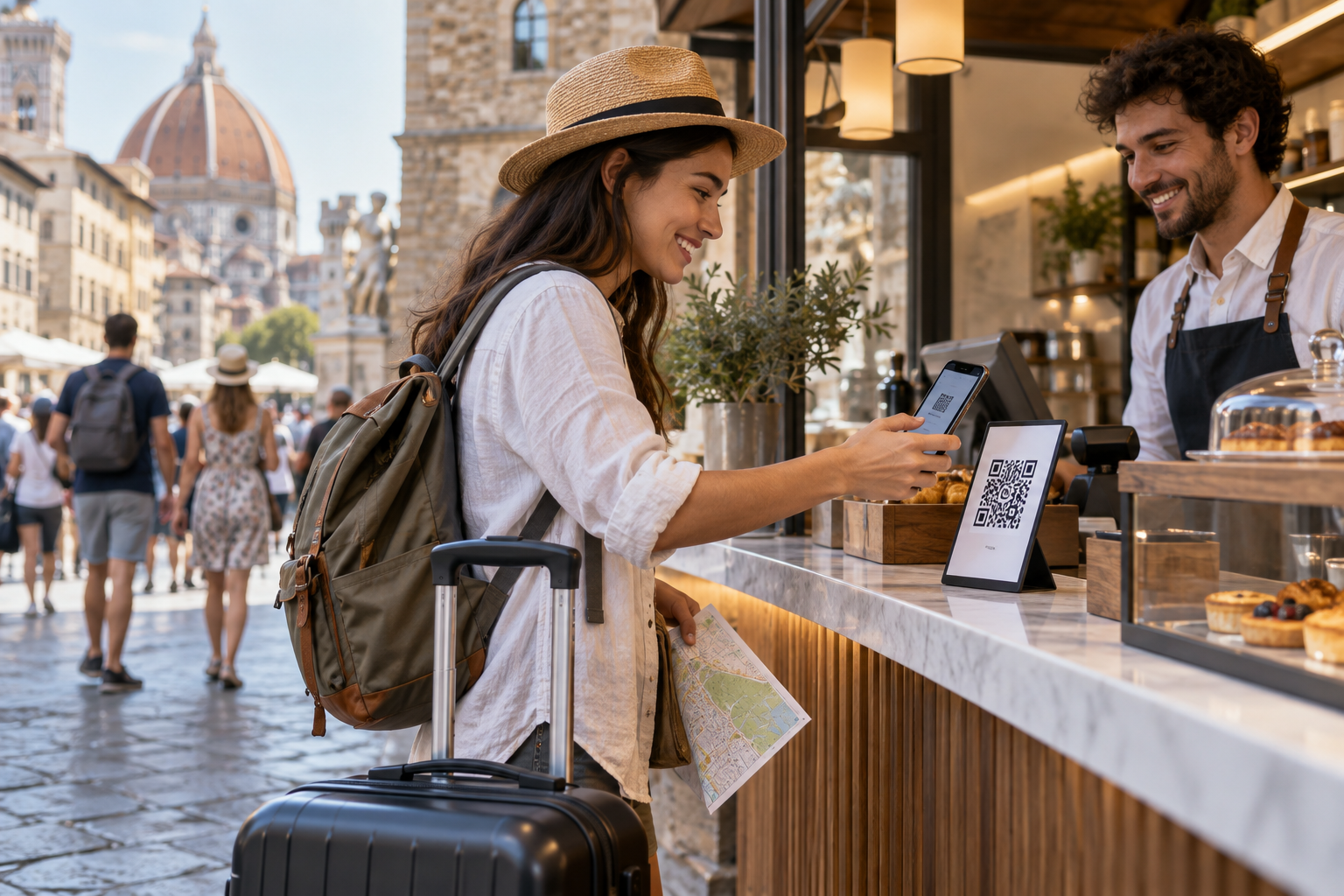
Travel payments have changed significantly in recent years, with smartphones increasingly replacing the need to reach for a physical bank card at every checkout. For international travelers, this shift can make everyday spending faster and more flexible, especially when local payment habits differ from those at home. Services such as payinrussia.com show how travelers can connect to a local cashless payment environment, including QR-based payments, without relying exclusively on traditional card transactions. As QR codes become more common in shops, cafes, museums and other services, they are gradually becoming part of the normal travel experience.
Why QR Payments Are Becoming More Common
QR payments are attractive because they require relatively little infrastructure. A business does not necessarily need to introduce a completely new customer-facing payment process when a code can simply be displayed at the checkout, on a screen or even directly on an invoice.
For travelers, the process can also feel familiar. A customer opens the appropriate payment application, scans the code, checks the transaction details and confirms the payment. Instead of entering long card numbers or handling cash, much of the payment process takes place directly on a smartphone.
This format is particularly useful in destinations where QR payments have already become integrated into local banking and payment systems. Once travelers understand how the local system works, the same payment method may be usable across many different situations during a trip.
From Coffee Shops to Museums
One of the main advantages of QR payments is that they are not limited to a single type of business. A traveler might encounter the same general payment process when buying coffee in the morning, paying for lunch, purchasing souvenirs or visiting a museum later in the day.
This consistency can reduce some of the friction associated with navigating an unfamiliar payment environment. Instead of learning different procedures for each service, travelers can become comfortable with one basic interaction: scanning a code and approving a transaction.
Smaller businesses can benefit as well because QR payments may offer an additional cashless option without requiring customers to carry a specific physical card. This can be particularly convenient in cafes, independent shops, attractions and service businesses where customers expect quick checkout.
QR Payments and International Travelers
The usefulness of QR payments depends heavily on whether a traveler has access to a compatible local payment method. Simply having a smartphone capable of scanning QR codes is usually not enough because the transaction still needs to be connected to an accepted payment account or service.
This is where services designed for international visitors can become relevant. PayInRussia, for example, describes its service as giving international travelers access to a virtual card that can be used for online purchases as well as QR-based offline payments in places such as stores, cafes and museums.
For travelers researching how such payments work before departure, practical demonstrations can be particularly useful. The service also provides travel and payment-related material through its channel at https://www.youtube.com/@PayInRussia, giving visitors another place to become familiar with the payment process before using it during a trip.
Making Everyday Purchases Simpler
Travel frequently involves many small transactions rather than a few large ones. Coffee, public attractions, meals, convenience-store purchases and local services can generate numerous payments throughout a single day.
QR payments can make these transactions easier because the traveler already has the main tool required to complete them: a smartphone. There is no need to search through a wallet or repeatedly handle bank cards, and transaction confirmation can usually be reviewed directly on the screen before payment is completed.
Digital payment records can also make spending easier to follow. Instead of relying on paper receipts or trying to remember where cash was spent, travelers may be able to review transactions through the payment service they are using.
A Useful Addition Rather Than a Single Solution
Despite their convenience, QR payments should not necessarily be treated as the only payment method available during a trip. Smartphone batteries can run out, mobile internet may occasionally be unreliable, and individual businesses may support different payment options.
For that reason, travelers can benefit from thinking of QR payments as one part of a broader payment strategy. A combination of digital payments, an appropriate payment card and a reasonable amount of local cash can provide more flexibility when moving between different businesses and services.
It is also worth checking the payment details carefully before confirming a QR transaction. Travelers should make sure that the merchant name and amount shown on the screen correspond to the purchase being made, particularly when paying in an unfamiliar environment.
QR Codes as Part of the Modern Travel Experience
The growing use of QR payments reflects a broader change in how travelers interact with local services. A smartphone is already used for boarding passes, hotel reservations, navigation, translation and attraction tickets, so adding payments to the same device is a natural extension of that trend.
For international visitors, the most important development is not simply the QR code itself but easier access to the payment network behind it. Services that help travelers participate in local cashless systems can make QR payments useful beyond occasional purchases.
As adoption continues, scanning a code at a cafe, museum or shop may become as ordinary for travelers as tapping a card is today. QR payments will not eliminate every other form of payment, but they are increasingly giving visitors another convenient way to manage everyday spending while abroad.