
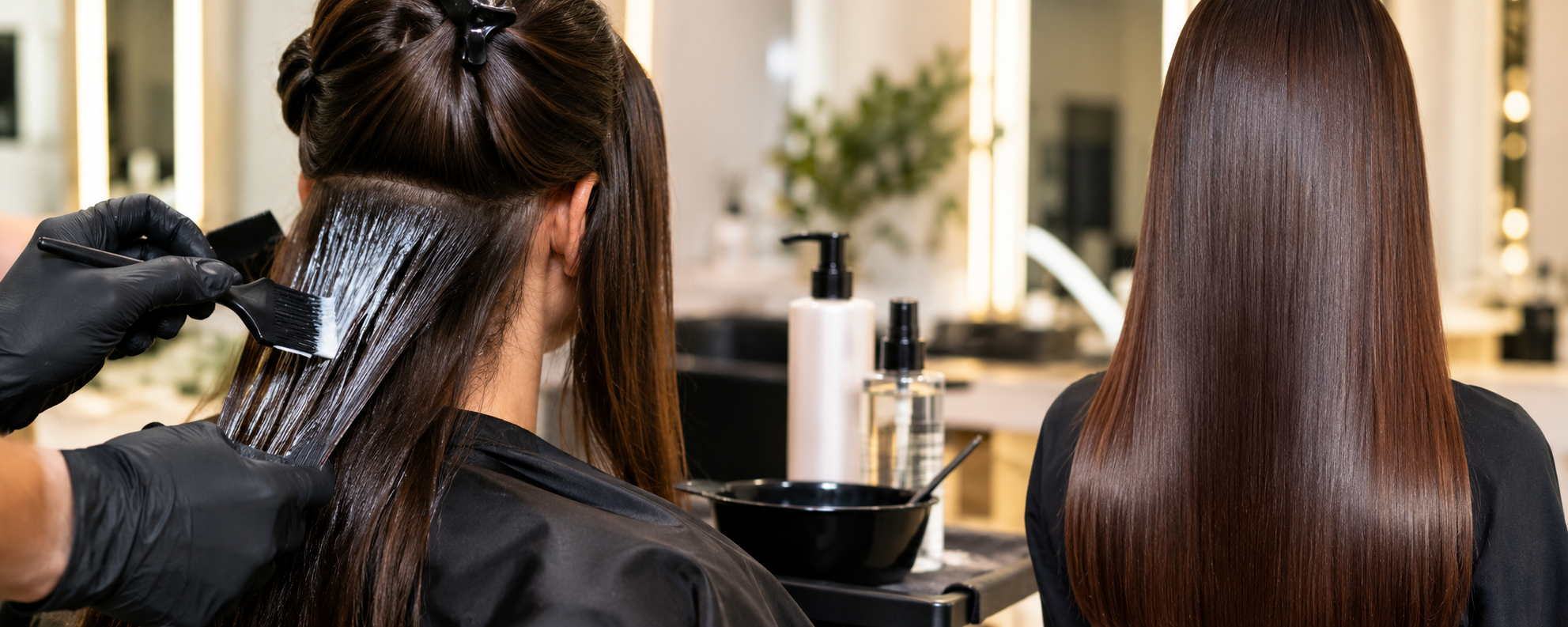
Frizz is one of the most common hair concerns, affecting people with straight, wavy, curly, and textured hair. It often becomes more noticeable when humidity rises, but environmental conditions are only part of the problem. Hair structure, moisture balance, chemical processing, and everyday styling habits all influence how smooth or unruly strands appear.
Why Hair Becomes Frizzy and Difficult to Manage
The outer layer of each hair strand, known as the cuticle, consists of overlapping cells that help protect the inner structure. When the cuticle is smooth and aligned, hair reflects light more evenly and tends to appear shinier. When it becomes raised or damaged, moisture can enter and leave the hair more easily, contributing to roughness, tangling, and frizz.
Understanding these factors helps people make informed decisions about hair care. Instead of relying on products that promise instant results, a more effective approach considers the condition of the hair, the surrounding environment, and the styling techniques used every day.
The Ultimate Guide to Achieving Smooth Manageable Hair
Managing uncooperative hair can turn morning routines into a constant struggle against time and weather. Daily exposure to atmospheric humidity, thermal styling tools, environmental pollutants, and chemical processing routinely strips natural moisture from hair locks, leaving behind persistent frizz, unwanted volume, dullness, and structural breakage.
For individuals striving to achieve effortless shine, touchable softness, and reduced styling time without dedicating endless hours in front of a mirror, high end salon solutions offer a transformative approach that restores both hair health and daily confidence.
The Relationship Between Hair Porosity and Smoothness
Hair porosity describes how readily strands absorb and release moisture. It is influenced by natural characteristics as well as heat exposure, coloring, bleaching, and other chemical processes. Porosity matters because two people using the same shampoo or conditioner may experience very different results.
Low porosity hair generally resists moisture absorption, while high porosity hair absorbs moisture quickly but may lose it just as rapidly. Neither condition is automatically unhealthy, but each requires a different approach to conditioning and styling.
For example, hair with higher porosity may benefit from conditioning products that help reduce friction and improve manageability. Hair with lower porosity may respond better to lightweight formulas that do not leave a heavy coating. Recognizing these differences makes it easier to build a routine that supports the hair rather than overwhelming it.
How Professional Smoothing Treatments Work
Professional smoothing services are designed to improve manageability, reduce visible frizz, and make styling more predictable. Their results depend on the product formulation, application method, hair condition, and maintenance routine. It is important to understand that smoothing is not the same as permanently changing every aspect of natural hair texture.
A consultation helps determine whether a particular service is appropriate. A stylist can examine the hair's elasticity, previous chemical treatments, density, and overall condition before recommending an approach. This assessment is especially important for hair that has been bleached, highlighted, or repeatedly exposed to high heat.
People researching keratin hair treatment should consider more than the promise of smoothness. They should ask about the treatment's ingredients, expected results, maintenance requirements, and suitability for their specific hair type. A professional explanation helps set realistic expectations and reduces the risk of choosing a service that does not match the hair's needs.
Everyday Habits That Help Preserve Smoothness
Professional services can support manageability, but daily habits influence how hair looks between appointments. Consistent care is generally more useful than frequently switching products or applying excessive heat.
Helpful practices include:
- Using a shampoo suited to the scalp and hair condition.
- Applying conditioner primarily to the lengths and ends when appropriate.
- Detangling gently, beginning at the ends.
- Reducing unnecessary heat exposure.
- Using a heat protectant before thermal styling.
- Avoiding aggressive towel rubbing.
- Scheduling trims when split ends become noticeable.
These habits help limit avoidable damage and make styling easier. They also support the appearance of smoother hair without requiring a complicated routine.
Managing Humidity Without Overloading the Hair
Humidity can affect the way hair behaves because water molecules interact with the hair's internal structure. This is why a style that looks polished indoors may become less defined after spending time outside. The effect can be particularly noticeable in hair that is porous or naturally textured.
A lightweight anti frizz product may help reduce surface friction, while a suitable finishing product can improve the appearance of the cuticle. However, applying too many products can create buildup, making the hair feel coated or heavy.
It is useful to adjust the routine according to the season. During humid months, people may prefer styles that work with their natural texture rather than trying to maintain an extremely rigid finish. In drier weather, conditioning and gentle handling may become more important.
Comparing Keratin Smoothing Solutions to Chemical Relaxers
Understanding the clear distinction between gentle protein smoothing services and aggressive chemical relaxers is crucial when choosing the right treatment for your hair goals. Traditional chemical relaxers utilize strong alkaline chemical compounds to permanently break the internal disulfide bonds that give hair its natural curl or wave.
While relaxers successfully straighten even the tightest curl patterns, they fundamentally alter the biological structure of the hair shaft, often leaving strands weaker, less elastic, and highly susceptible to breakage if exposed to subsequent coloring or heat styling.
When to Seek Professional Advice
Persistent frizz is not always a sign that a stronger treatment is needed. Sometimes the underlying issue is excessive heat, product buildup, incompatible products, or damage caused by previous chemical services. A professional assessment can help distinguish between these possibilities.
A stylist can also explain which results are realistic for the current condition of the hair. This is particularly valuable when someone wants to reduce styling time but does not want to lose natural movement or volume.
Conclusion
Smooth, manageable hair begins with understanding its structure and responding to its actual needs. Porosity, cuticle condition, environmental exposure, and styling habits all contribute to the final result. Professional smoothing services may help address specific concerns, but thoughtful maintenance remains essential.
By combining an informed service choice with gentle daily care, people can improve manageability without relying on unnecessary treatments or excessive heat. The most useful hair routine is one that supports healthy looking strands while fitting naturally into everyday life.