
Introduction
Homes in this part of Northern Virginia sit beneath some of the region's tallest hardwoods, and that canopy shapes nearly every maintenance decision a property owner makes. When rain overwhelms clogged troughs, when October leaves bury a lawn, or when a heavy limb leans over a roof, small oversights turn into costly repairs. Planning gutter cleaning in McLean around the calendar, rather than around emergencies, is one of the simplest ways to protect a house. This guide references the seasonal routines followed by outdoor-care providers such as Rivera’s Landscaping LLC and explains how gutters, leaves, trees and planting beds connect.
Seasonal Timing and Warning Signs That Shape Gutter Care for Northern Virginia Homes
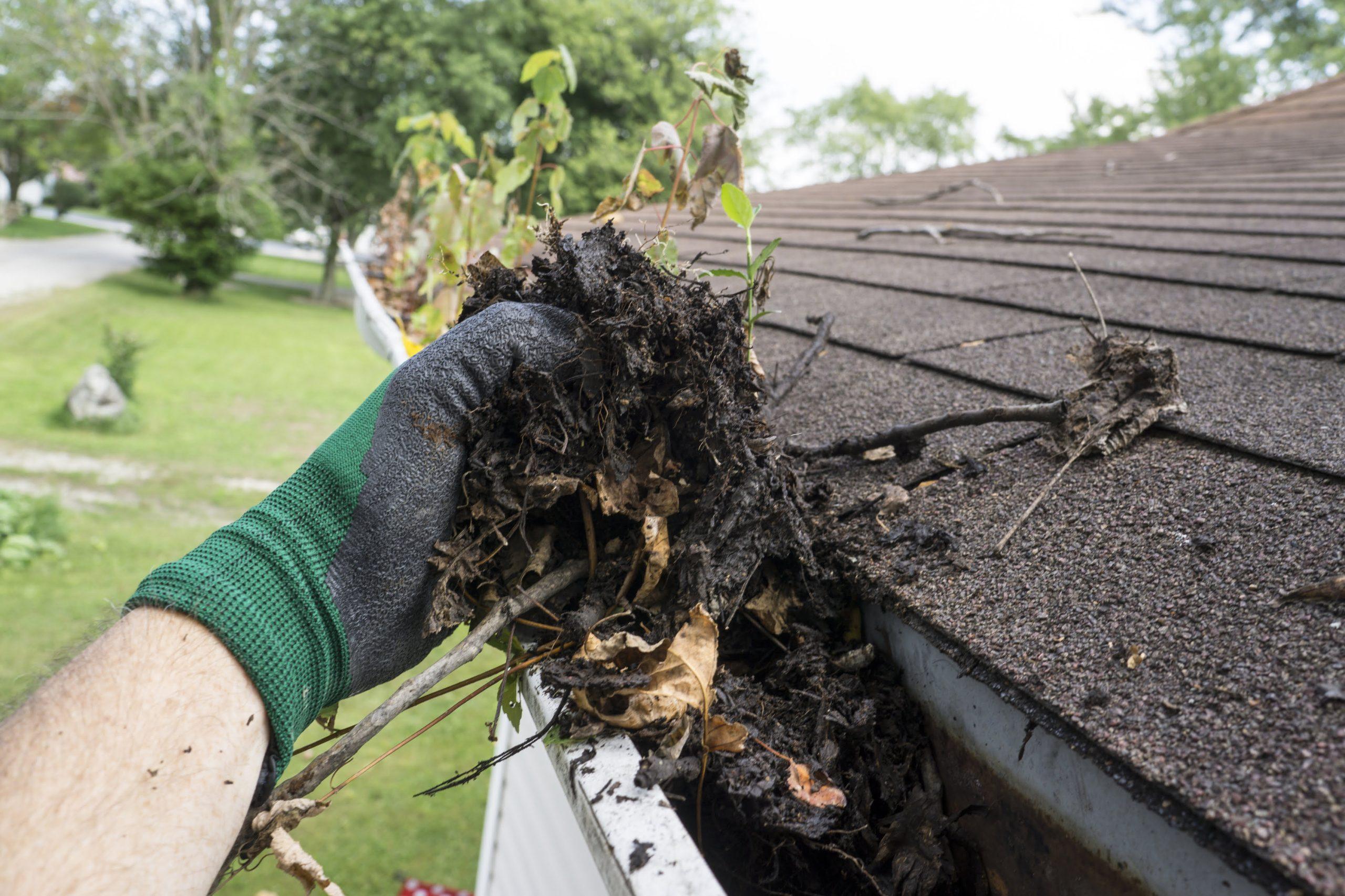
Most roof-drainage trouble in the McLean area follows a predictable rhythm. Oak, maple and tulip poplar debris gathers through autumn, seed pods and pollen settle in spring, and summer thunderstorms test whatever capacity remains. Scheduling gutter cleaning in McLean after the main leaf drop in late fall, and again once spring seed season passes, keeps water moving where it belongs. Homeowners can watch for early warning signs: water spilling over the edge during moderate rain, streaks on siding, sagging sections, plants sprouting from the trough, or soil washed away below a downspout. Catching these signs early usually means a basic clearing and flush rather than fascia or soffit replacement.
How Overflowing Gutters Quietly Damage Fascia, Siding and Foundations
When water cannot travel through a gutter, it finds another path. It can soak the fascia board behind the trough, creep into soffits, stain or rot siding, and splash soil against the foundation line. In freezing weather, standing water can form heavy ice along the eave that pulls sections loose from their fasteners. In Fairfax County, where clay-rich soils drain slowly, repeated overflow beside a foundation can leave persistent damp spots in crawl spaces and basement walls. None of this happens overnight, so a quick yearly look from the ground, using binoculars or a phone camera, often reveals trouble well before interior damage appears.
Practical Cleaning Methods, Safety Considerations and Downspout Checks
A thorough job includes more than scooping out leaves. Debris is removed by hand or with a vacuum attachment, the trough is flushed with a hose, and every downspout is tested for flow and checked at its outlet or underground connection. Ladder safety matters, particularly on two-story homes with steep rooflines. Stable footing, three points of contact and a spotter all reduce the chance of falls. Many owners add gutter guards, though these still need occasional brushing because shingle grit and pollen can build up on top. Checking hangers, seams and slope during the same visit helps water drain forward instead of pooling mid-span.
Fall Leaf Management Strategies for Properties Surrounded by Mature Hardwoods
Autumn brings an enormous volume of foliage, especially to lots shaded by mature oaks and sweetgums. Effective leaf removal in McLean is less about one big cleanup and more about timing, because trees drop leaves in waves from October through early December. Clearing too early means repeating the job, while waiting until everything has fallen risks a wet, matted layer that is heavy and hard to move. Many owners settle on two or three passes, with a final cleanup after the last major drop. Each pass should reach beyond the lawn, covering beds, window wells, drainage swales and the area around storm inlets near the property line.
Why Leaves Left on Lawns and Beds Create Bigger Problems by Spring
A thick blanket of wet leaves blocks light and air from turfgrass, which can encourage fungal disease and thin the lawn by spring. In planting beds, trapped moisture invites slugs, rodents and rot at the crowns of perennials. Leaves that wash into street drains or ditches can also clog them and add nutrients to local waterways, a real concern in a watershed that drains toward the Potomac and the Chesapeake Bay. A light layer on a woodland-style bed can be helpful, but a heavy layer over grass or shallow-rooted plants usually causes more harm than good.
Mulching, Blowing, Vacuuming and Composting Compared for Typical Lots
Each method suits a different property. Mulch-mowing chops dry leaves into small pieces that feed the soil, and it works best when the layer is thin. Blowing and tarping is efficient on larger lots with long open areas. Vacuum collection captures finer debris and saves effort on gravel or paver surfaces. Composting turns bulk leaves into a soil amendment after several months, provided the pile is turned and kept moist. Fairfax County also runs seasonal leaf collection in some areas, so it is worth checking current schedules and bagging rules before piling material at the curb.
Landscape Design Choices That Handle Drainage, Shade and Seasonal Interest
Good design on a local lot has to handle more than looks. Landscaping in McLean often means working with sloped yards, clay soil, dense shade, and expectations around privacy and curb appeal. Plants chosen for the site's light, moisture and mature size tend to need fewer corrections than showy choices placed without a plan. Native species such as serviceberry, oakleaf hydrangea, switchgrass and coneflower adapt well to regional conditions and support pollinators. Layout matters just as much. A bed placed too close to the foundation holds moisture against siding, while a bed that slopes toward the house sends runoff in the wrong direction.
Core Elements of a Low-Maintenance Yard Built for Northern Virginia Soil
A yard that stays manageable usually shares a few traits, and these are the ones that tend to matter most:
- Native or well-adapted plants that tolerate summer heat and occasional dry spells
- Mulch layers of two to three inches that suppress weeds and hold moisture
- Grading that carries water away from foundations rather than toward them
- Layered plantings that combine groundcover, shrubs and small trees for year-round structure
- Defined edging and walkways that keep beds tidy and simplify mowing
Planning Planting Beds Around Roofs, Downspouts and Mature Canopies
Roofs, downspouts and tall trees create their own microclimates. Ground beneath a downspout outlet may stay soggy, which suits moisture-loving plants or a small rain garden but not lavender or boxwood. Dry shade under old oaks calls for sedges, ferns or hellebores rather than sun-loving perennials. Keeping shrubs a few feet from gutters and eaves limits debris buildup and leaves room for ladders. Thinking about mature size is equally important, since a tidy foundation shrub can outgrow its space within a few years and end up blocking windows or trapping moisture against siding.
Tree Health, Pruning Standards and Storm Preparedness for Established Yards
Established trees are a defining feature of this part of Fairfax County, and they come with responsibility. Tree trimming in McLean serves several purposes: removing dead or hazardous wood, lifting low branches over walkways and roofs, thinning crowns so wind passes through more easily, and improving light for lawns beneath. Late fall through winter is a popular window for many species because leaves are down and structure is visible, though dead or storm-damaged limbs should be addressed whenever they appear. Work near structures or power lines carries real risk, so larger jobs are best handled by trained, insured professionals, ideally with ISA certification.
Reading the Branches: Deadwood, Crossing Limbs and Weak Attachments
A walk around the yard with a clear view of the canopy can reveal a lot. Dead branches look bare and brittle, often with peeling bark, and they tend to fall during storms. Limbs that rub against each other create wounds that invite decay. Narrow, V-shaped attachments between a trunk and a large branch are weaker than wider, U-shaped ones. Other signs worth attention include mushrooms at the base, cracks in the trunk, leaning that has changed recently, and heaved soil near the roots. Any of these suggests a closer look from a qualified arborist before the next major storm.
Pruning Practices That Protect Long-Term Tree Structure and Property
How a cut is made matters as much as which branch is removed. Good pruning follows a few consistent principles:
- Cuts made just outside the branch collar rather than flush with the trunk
- No more than roughly a quarter of the live crown removed in a single season
- Clean, sharp tools that reduce tearing and speed healing
- No topping, which produces weak regrowth and invites decay
- Clearance around rooflines and wires maintained with proper equipment and training
Homeowners should also check local tree-protection rules before major work, since requirements can vary by property and location.
Rivera’s Landscaping LLC and the Practical Value of Seasonal Property Planning
Property care works best when separate tasks are coordinated, and that is where a local provider such as Rivera’s Landscaping LLC fits into the picture. Instead of treating gutters, leaves, trees and beds as unrelated chores, a seasonal approach groups them into one rhythm that reflects how a yard behaves through the year. Spring attention goes to bed cleanup and pruning, summer to watering and monitoring, autumn to debris, and winter to structural tree work. Homeowners benefit from a plan that anticipates the next job instead of reacting to the last problem.
Coordinating Gutters, Leaves, Trees and Beds Within One Seasonal Calendar
The tasks overlap more than people expect. Leaves cleared from the lawn can still end up in the gutters if branches above are not trimmed. Overgrown shrubs can hide downspouts, and fresh mulch can bury drainage outlets. A single calendar maintained by a provider like Rivera’s Landscaping LLC lets one crew notice these connections during a visit, rather than leaving each issue to surface separately. That continuity also makes it easier to track small changes, such as a limb slowly lowering over a roof or a bed that no longer drains well.
Local Knowledge That Helps Crews Read Slopes, Soil and Canopy Cover on a Lot
Every property in the area behaves a little differently. Some sit on steep slopes where runoff moves quickly, while others hold water in low corners. Crews familiar with regional clay, native species and local tree-protection expectations can anticipate problems that a general checklist would miss. Experience in the McLean area, as seen with companies such as Rivera’s Landscaping LLC, often shows up in small judgment calls: which side of the house collects the most leaf litter, which maples tend to drop limbs after summer storms, and where water naturally wants to travel after a hard rain.
Conclusion
A home in Northern Virginia works best when its small systems are looked after in sequence. Clear roof drainage, tidy beds, healthy trees and well-planned planting areas all protect one another. Regular gutter cleaning in McLean keeps water away from the house, while sensible leaf management, thoughtful design and careful pruning prevent many of the problems that follow heavy autumns and summer storms. Homeowners who build a simple seasonal routine, and who look to experienced local providers such as Rivera’s Landscaping LLC for examples of how that routine can work, usually spend less time reacting to damage and more time enjoying their yards.
Frequently Asked Questions
How often should gutters be cleaned on a lot with large trees nearby?
Most homes with mature canopy benefit from two cleanings a year, one in late fall after leaves drop and one in late spring. Properties under oaks or pines may need an extra visit, and a routine of gutter cleaning in McLean can be adjusted after watching how quickly debris builds up.
When does fall cleanup typically begin and end in this area?
Leaves usually start falling in October and continue into early December. Planning leaf removal in McLean in two or three passes, ending after the last major drop, tends to work better than a single early cleanup.
Which kinds of plants hold up well in local clay soil?
Native and adapted choices such as oakleaf hydrangea, coneflower, switchgrass and serviceberry cope well with clay and seasonal swings. Good drainage, proper planting depth and a modest mulch layer help any landscaping in McLean project establish successfully.
Is a permit required before pruning or removing trees?
Routine pruning on private property is often allowed without a permit, but removals, protected areas and development-related work can involve local rules. For tree trimming in McLean, it is wise to confirm requirements with Fairfax County and speak with a certified arborist.
Can seasonal property tasks be combined into one maintenance plan?
Yes, and it often works better that way. Grouping drainage checks, debris cleanup, pruning and bed care into one calendar helps issues get noticed earlier and keeps work from overlapping or being missed.