
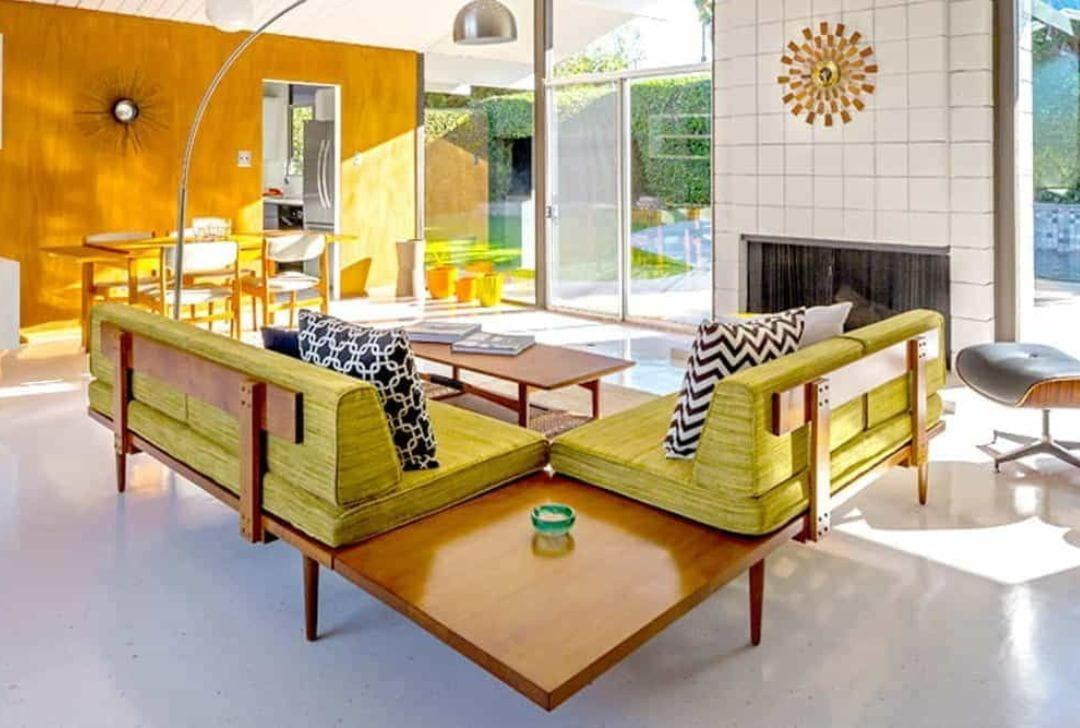
Choosing the right dining furniture can completely change how a room feels and functions. Unlike mass-produced furniture, vintage pieces often have distinctive materials, craftsmanship, and design details that give them personality. A well-selected vintage dining table and chairs can bring warmth, character, and timeless appeal while creating a comfortable place for everyday meals and special gatherings. However, finding the right combination requires more than choosing the first attractive set you see. Size, construction, comfort, style, condition, and practicality should all influence your decision.
Understand Your Dining Room Before Shopping
Before purchasing vintage dining furniture, start by measuring the room carefully. Record the available floor space, doorway dimensions, and the distance between the dining area and nearby furniture or walls. A beautiful table can become frustrating if it leaves too little space for people to move comfortably or pull out their chairs. Ideally, allow enough clearance around the table for walking and for chairs to be moved backward without hitting walls or other furniture.
Consider how you actually use your dining area as well. If your household regularly hosts guests, an extendable table may provide greater flexibility than a fixed-size design. Smaller households may prefer a compact round or rectangular table that keeps the room open. Think about the number of people you normally seat and how often additional guests visit. These practical considerations will help narrow your choices before you become distracted by particular colors, finishes, or decorative details.
Choose a Table Style That Matches Your Interior
Vintage dining tables are available in a wide variety of styles, from mid-century designs and farmhouse pieces to traditional wooden tables and more ornate period furniture. The right choice should complement your home's existing architecture and furnishings rather than compete with them. Consider the table's silhouette, wood tone, finish, leg design, and overall visual weight. A simple table can provide balance in a room containing decorative artwork or elaborate accessories.
You do not necessarily need a perfectly matching dining set. Mixing different vintage pieces can create a more collected and personal interior when the elements share complementary characteristics. For example, a warm wooden table can work with chairs in a contrasting finish if their proportions and overall style feel compatible. This approach can also make it easier to replace individual chairs or accommodate changing needs. The objective is visual harmony rather than strict uniformity.
Prioritize Comfort When Selecting Chairs
Dining chairs should look attractive, but comfort is equally important. Pay attention to seat height, seat depth, back support, and the overall shape of the chair. A chair that looks beautiful but becomes uncomfortable after a short meal will not be a practical addition to your home. If possible, sit in the chair before purchasing it and check whether your feet rest comfortably on the floor and whether the table height works naturally with the seat.
Consider upholstery and materials based on your household's lifestyle. Upholstered vintage chairs can add softness, texture, and color, while wooden chairs may be easier to maintain in busy dining areas. Examine fabric for stains, fading, odors, tears, or signs of previous repairs. Wooden seats should be checked for cracks, loose joints, and structural instability. When buying several chairs, test each one because age and use can affect individual pieces differently.
Examine Construction and Overall Quality
The condition of a vintage dining table and chairs can vary significantly from one piece to another. Look closely at joints, legs, tabletops, chair frames, drawers, hardware, and other structural components. A solid vintage piece should feel stable and appropriately constructed rather than loose or excessively fragile. Small cosmetic imperfections may be acceptable and can contribute to a piece's character, but significant structural problems deserve careful consideration before purchase.
Wood furniture should also be inspected for warping, cracks, water damage, veneer lifting, or inappropriate refinishing. Check underneath the table and chairs because hidden areas can reveal previous repairs or construction methods. For chairs, gently test the frame for movement or looseness without putting excessive force on it. If a piece requires substantial restoration, consider the expected repair costs and whether the finished result will justify the investment.
Coordinate Vintage Furniture With Your Home Decor
A vintage dining table can become the focal point of a room while modern lighting, simple artwork, neutral walls, or contemporary textiles keep the overall space feeling current. Vintage home decor works particularly well when it is balanced with contemporary elements. You do not need to decorate every corner with antique or vintage objects. A carefully selected combination often creates more visual interest than a room filled exclusively with pieces from the same period.
Color and texture can help connect different furniture styles. For example, a dark wooden table can be complemented by warm neutral upholstery, woven accessories, or natural flooring. A lighter vintage table may pair well with darker chairs or contrasting artwork. Try to repeat certain colors, materials, or finishes throughout the room so the furniture feels intentionally connected. This creates a cohesive interior while allowing individual vintage pieces to retain their distinctive character.
Consider Table Size, Shape, and Seating Capacity
The shape of a dining table influences both appearance and functionality. Rectangular tables are versatile and can accommodate larger groups, while round tables encourage conversation and can work especially well in compact spaces. Oval tables provide some of the benefits of rectangular designs while introducing softer visual lines. Square tables can suit certain rooms but require careful consideration of surrounding space and seating requirements.
Seating capacity should be based on realistic everyday use rather than occasional maximum capacity. Allow sufficient personal space for each diner so meals do not feel cramped. If you frequently entertain, consider an extension mechanism or additional matching chairs that can be stored elsewhere when not needed. Measuring both the table and chairs together is essential because chair width and armrests can affect how many seats actually fit comfortably around the table.
Decide Between Matching and Mixed Vintage Pieces
A matching dining set can create a polished and consistent appearance, but mixed vintage furniture can offer more personality. Combining chairs from different sources allows you to incorporate unique designs and replace damaged pieces more easily. The key is finding a relationship between the items. Similar wood tones, complementary upholstery colors, consistent proportions, or a shared design era can help different chairs look intentional rather than random.
If you prefer a more relaxed interior, consider using a vintage table with contemporary chairs or pairing vintage chairs with a newer dining table. This approach can also provide practical benefits because modern seating may offer updated ergonomics while preserving the visual charm of older furniture. Before combining pieces, compare their heights carefully. Even attractive furniture can feel awkward when the seat height and tabletop proportions are poorly matched.
Check Authenticity and Ask About the Furniture's History
When buying vintage furniture, ask the seller what they know about its age, manufacturer, materials, and previous ownership. Documentation is useful when available, but not every vintage piece will have a detailed history. Labels, stamps, construction techniques, hardware, and design characteristics can provide additional clues. If a seller describes an item as a rare or valuable original, independent research can help you understand whether those claims are supported.
Do not assume that every imperfection means a piece is genuinely old. Some newer furniture is intentionally distressed to create a vintage appearance. Conversely, authentic vintage furniture may have replacement hardware, repaired joints, or refinished surfaces after decades of use. Look at the entire piece rather than relying on one detail. For expensive or collectible furniture, professional assessment can be worthwhile before completing the purchase.
Balance Character With Everyday Practicality
The best dining furniture should suit your lifestyle as well as your decorating preferences. Families with young children may need surfaces that are relatively easy to clean, while households that entertain frequently may prioritize durable construction and flexible seating. Consider how much maintenance the furniture requires and whether you are comfortable caring for older materials. Vintage pieces can be remarkably durable, but they may require more thoughtful treatment than contemporary mass-produced furniture.
Think about long-term usefulness before making a final decision. A table that looks impressive in a showroom may not work well if it is too large for your room or difficult to maintain. Likewise, beautiful chairs may become frustrating if they are uncomfortable during extended meals. Choosing furniture based on both appearance and practical performance gives you a better chance of enjoying the pieces for many years.
Create a Dining Space With Lasting Character
Finding the perfect vintage dining table and chairs is ultimately about balancing design, comfort, quality, and personal taste. Start by measuring your space, determine your seating requirements, and establish the general style you want before shopping. Then inspect potential pieces carefully, paying attention to construction, materials, condition, proportions, and restoration history. Taking a patient approach can help you find furniture that feels distinctive without sacrificing everyday functionality.
Vintage furniture has the ability to make a dining room feel more personal because every piece can carry its own visual history and character. Whether you choose a coordinated dining set or create an eclectic combination of individual pieces, thoughtful selection will make the room feel intentional. By combining vintage craftsmanship with practical planning and complementary vintage home decor, you can create a dining space that is welcoming, comfortable, and stylish without relying on short-lived trends.