
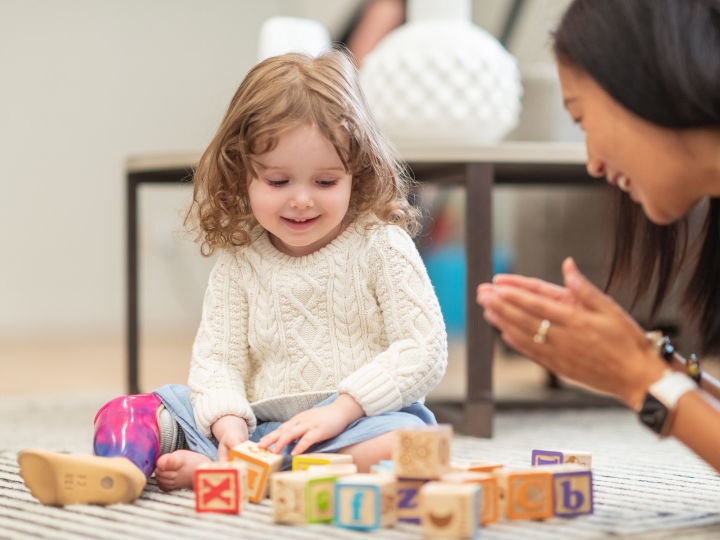
Sensory processing sensitivity can affect how a child responds to everyday sights, sounds, textures, smells and physical sensations. Sensory processing sensitivity may make ordinary situations feel overwhelming or uncomfortable, particularly when several sensory inputs occur at once. Understanding these challenges can help families provide suitable support.
1. Getting Ready in the Morning
Morning routines can involve many sensory experiences within a short period. Bright bathroom lights, the sound of a hairdryer, the texture of clothing or the feeling of brushing teeth may become difficult for some children. Sensory processing sensitivity can make these ordinary activities feel intense, especially when the child is rushed.
Making the Routine Easier
A predictable routine may help reduce unexpected sensory experiences. Giving the child extra time, offering comfortable clothing options and reducing unnecessary background noise can make mornings more manageable.
2. Eating Different Foods
Mealtimes can be challenging when children are sensitive to particular textures, temperatures, smells or flavours. A child may avoid foods because they feel unpleasant rather than simply refusing to eat them. Sensory preferences can also change from one day to another.
Supporting Mealtime Comfort
Parents can introduce new foods gradually without creating pressure. Keeping familiar foods available while allowing the child to explore different textures at their own pace may create a more comfortable mealtime experience.
3. Shopping in Busy Places
Shopping centres and supermarkets can expose children to bright lights, conversations, music, trolley movements and strong smells simultaneously. For a child with sensory processing sensitivity, this combination may become overwhelming and make it difficult to remain focused or comfortable.
Reducing Sensory Overload
Choosing quieter shopping times, keeping visits shorter and preparing the child beforehand may help. Some children may also benefit from having a predictable plan for what will happen during the outing.
4. School and Classroom Activities
Classrooms contain numerous sensory inputs, including conversations, chair movements, visual displays, bells and changes between activities. These inputs can make concentration more difficult for some children.
Creating a Supportive Environment
Simple adjustments may help a child participate more comfortably. These could include a quieter workspace, clear instructions, planned movement breaks or advance notice before changes in routine. Support should be tailored to the individual child’s needs.
5. Bedtime and Sleeping
Bedtime can become difficult when a child remains sensitive to sounds, lighting, clothing or bedding textures. Household noises that seem minor to others may remain noticeable and interfere with settling down.
Establishing a Calmer Routine
A consistent bedtime routine can provide predictability. Lowering bright lights, reducing unnecessary noise and choosing comfortable sleepwear or bedding may help create a more suitable environment.
When Professional Support May Help
If sensory responses regularly interfere with daily routines, learning, social activities or family life, speaking with appropriately qualified professionals may be useful. They can help identify sensory challenges and develop strategies suited to the child’s individual needs.
FAQs
What is sensory processing sensitivity?
It refers to increased sensitivity to sensory information such as sound, touch, light, movement, smells or textures. Responses can vary considerably between children.
Can sensory sensitivity affect daily routines?
Yes. It may affect activities such as dressing, eating, shopping, attending school and settling at bedtime.
Can sensory sensitivity change over time?
Sensory responses can vary depending on the child’s environment, routine, stress levels and individual development. Support strategies may also need to change over time.
When should parents seek professional advice?
If sensory responses consistently interfere with everyday activities, communication, learning or participation, professional guidance can help identify appropriate strategies.