
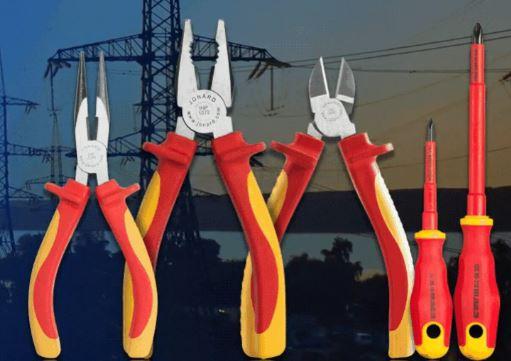
Electrical work requires the right tools to complete installations, prepare cables, maintain equipment, and troubleshoot electrical systems. Whether you are an electrician, telecom technician, cable installer, or apprentice, choosing suitable electrical tools can improve accuracy, efficiency, and job site safety. Even DIY users benefit from understanding the purpose of common tools before starting basic projects.
From wire strippers and insulated screwdrivers to cable installation equipment and electrical testers, every tool serves a specific purpose. Understanding how these tools work helps professionals build a practical toolkit and avoid unnecessary equipment purchases.
What Are Electrical Tools?
Electrical tools are specialized hand tools, cutting equipment, testing devices, and installation accessories used to work with wires, cables, connectors, electrical panels, and related components. Technicians use them to cut, strip, grip, fasten, route, connect, and inspect electrical systems.
The right electric wiring tools help technicians prepare conductors without damaging them, make reliable connections, and organize cables during installation. Professional tools also support repeatable results across residential, commercial, industrial, and telecommunications projects.
Essential Electrical Tools Every Technician Should Know
Building a useful toolkit starts with understanding the most common tool categories and their applications.
1. Wire Strippers
Wire strippers remove insulation from electrical wires while preserving the conductor underneath. They help technicians prepare wires for terminals, connectors, and other electrical connections.
Manual, adjustable, and self adjusting models suit different wire sizes and insulation types. Choosing a stripper that matches the conductor gauge helps prevent nicked wires, uneven stripping, and damaged connections. Technicians who work with multiple cable types may benefit from keeping more than one stripping tool in their toolkit.
2. Insulated Screwdrivers
Insulated screwdrivers help technicians tighten and loosen screws on electrical components. They are commonly used when installing switches, terminal blocks, junction boxes, and electrical panels.
A suitable set may include slotted and Phillips screwdrivers in several sizes. For work that requires insulated tools, technicians should select properly certified products that meet the applicable standards and voltage ratings. They should also inspect the insulation before each use and never treat an insulated screwdriver as a substitute for de-energizing equipment.
3. Pliers and Wire Cutters
Pliers provide the grip and leverage needed to bend, twist, hold, and manipulate wires and small components. Lineman’s pliers support general gripping and cutting tasks, while long nose pliers help technicians handle conductors in confined spaces.
Diagonal cutters make clean cuts through suitable wires and small materials. Selecting the right cutting capacity helps protect the tool and produces neater results. Ergonomic handles can also improve comfort during repetitive work.
4. Voltage Testers and Electrical Testing Equipment
Voltage testers help technicians determine whether voltage is present at a test point. Multimeters can provide additional measurements, such as voltage, resistance, and current, depending on the model and measurement configuration.
These electrical tools support troubleshooting, verification, and maintenance. Technicians must select equipment with suitable measurement categories and ratings for the system being tested. They should follow approved procedures to verify that the tester works correctly before and after checking a circuit.
5. Cable Installation Tools
Cable installation tools help technicians route, pull, support, and organize wires through walls, ceilings, conduits, and other restricted spaces. Fish tapes, pull lines, cable rollers, and specialized cable routing accessories can simplify installation and reduce strain on cables.
For telecom, broadband, CATV, and low voltage projects, proper cable handling helps protect insulation, maintain bend requirements, and reduce the risk of installation damage. Selecting tools based on cable diameter, routing distance, and the working environment makes cable installation more efficient.
6. Cable Sheathing Knives and Cutting Tools
Cable sheathing knives and specialized cable cutters help technicians remove outer jackets and cut suitable cables during installation and maintenance. The correct tool allows controlled cuts while reducing the risk of damaging internal conductors or insulation.
Technicians should select tools designed for the cable construction and follow the manufacturer’s instructions. Retractable or protected blade designs can also support safer storage and handling.
7. Connector Insertion and Extraction Tools
Electrical and electronic systems often contain connectors and components that require precise insertion or removal. Specialized insertion and extraction tools help technicians handle contacts and components without applying excessive force.
These tools are useful in electrical assemblies, control systems, and equipment maintenance. Choosing a tool that matches the contact size and connector design helps reduce the risk of bent pins, damaged terminals, or costly component replacement.
8. IC Insertion and Extraction Tools
Integrated circuits can have delicate leads and tight installation tolerances. IC insertion and extraction tools help technicians install or remove compatible components from sockets while minimizing handling damage.
Technicians working in electronics repair, testing, and maintenance should choose tools that match the IC package and socket configuration. Using the correct tool helps improve precision and reduces the chance of damaging sensitive components.
How to Choose the Best Electrical Tools
The best electrical tools are not necessarily the most expensive or feature rich. They are the tools that suit the task, material, working environment, and user's experience.
- Match the tool to the job: Choose tools based on whether you are cutting, stripping, fastening, testing, or routing cables.
- Check compatibility: Confirm the tool supports the cable diameter, wire gauge, connector, or component you intend to work with.
- Prioritize safety: Look for suitable insulation ratings, measurement categories, protective features, and recognized certifications where required.
- Consider comfort: Ergonomic handles, balanced designs, and smooth operation can reduce fatigue during extended work.
- Choose durability: Quality materials and replaceable components, where available, can support long term use.
- Build a practical kit: Start with frequently used tools and add specialized equipment as your projects and responsibilities grow.
For professionals who work across multiple applications, a combination of general purpose hand tools and task specific equipment can provide flexibility without overloading a tool bag.
Electrical Tools for Different Applications
Different technicians have different requirements. Electricians may prioritize insulated screwdrivers, wire strippers, pliers, cable cutters, and testing equipment for electrical installation and maintenance. CATV technicians, coaxial cable installers, and broadband professionals may need cable preparation, routing, connector, and termination tools. CCTV and security installers often benefit from cable cutting, stripping, and installation accessories, while field service technicians may need a compact selection of tools for troubleshooting and repairs.
Apprentices can begin by learning the functions of common hand tools and testing equipment under qualified supervision. DIY users should limit themselves to tasks appropriate to their knowledge and local regulations, and should consult a licensed professional for work involving fixed wiring, electrical panels, or potentially energized circuits.
Best Practices for Using and Maintaining Electrical Tools
Using tools correctly helps improve work quality and extends their service life.
- Inspect handles, blades, moving parts, and insulation before use.
- Select the correct tool size and rating for the application.
- Follow manufacturer instructions and approved safety procedures.
- De-energize circuits and verify their condition before performing electrical work.
- Keep cutting edges clean and replace damaged or worn components as needed.
- Store tools in an organized, dry location to prevent damage and make them easy to access.
- Keep testing equipment within its calibration schedule and verify its operation as directed.
Never use damaged insulated tools or rely on a non-contact voltage tester alone to confirm that a circuit is safe to touch. Electrical safety requires appropriate training, suitable protective equipment, and proper verification procedures.
Build a Reliable Toolkit with the Right Electrical Tools
A well planned toolkit helps technicians complete electrical, cable installation, and maintenance tasks with greater precision and efficiency. From wire strippers and insulated screwdrivers to cable installation accessories and specialized insertion tools, each tool contributes to a particular stage of the job.
Jonard Tools offers a broad range of electrical tools designed for electricians, electrical contractors, telecom technicians, and cable professionals. By selecting tools that match their daily applications, users can create a practical toolkit that supports consistent performance, safer work practices, and reliable results.
Explore electrical tools based on your work requirements, prioritize quality and compatibility, and expand your toolkit as your skills and projects develop.