
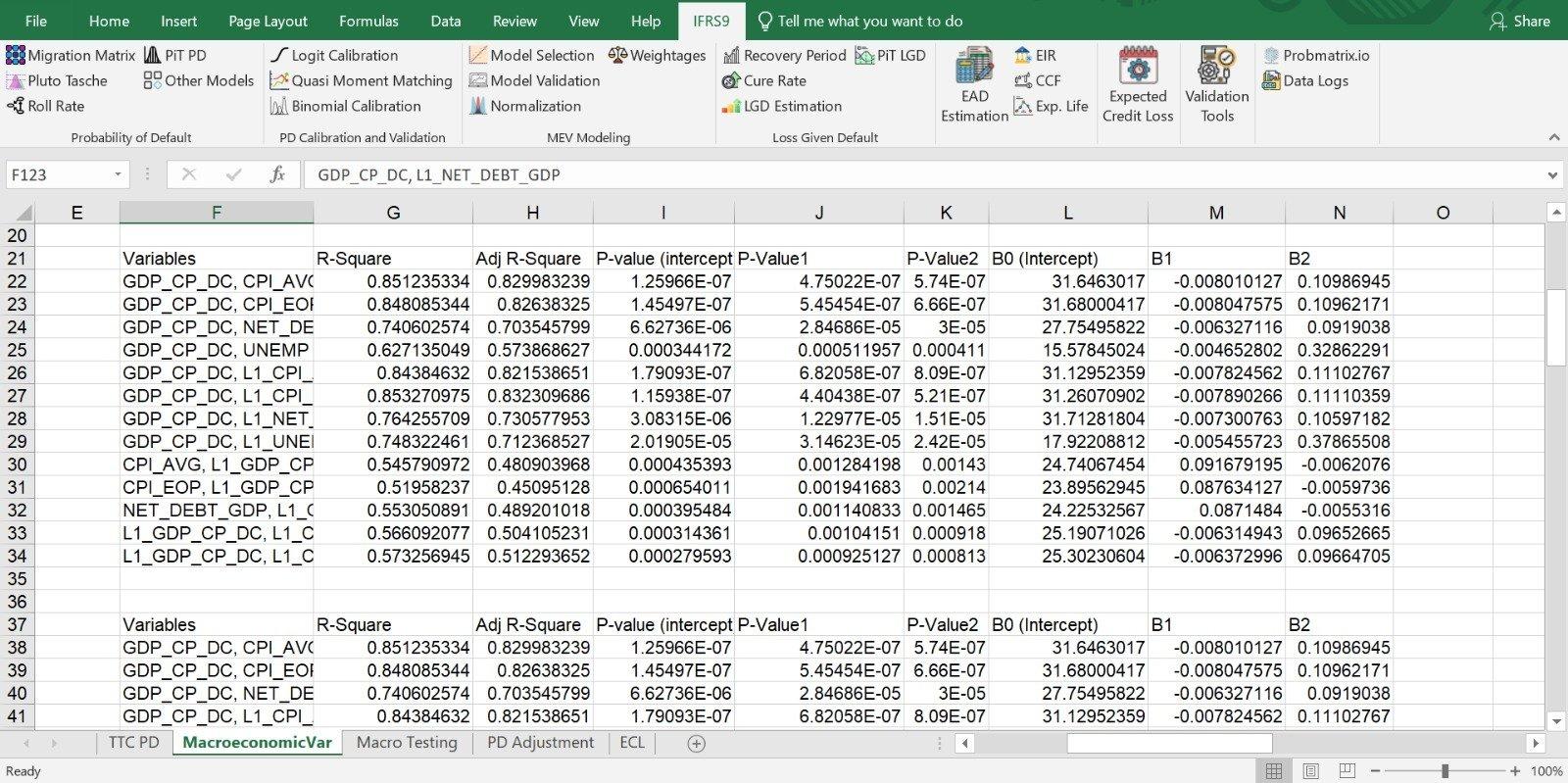
Credit Risk Management Tools help businesses assess, monitor, and reduce the chance that borrowers or customers will fail to repay what they owe. Whether you run a bank, a lending startup, or a growing company that offers credit to clients, these tools protect your cash flow and support smarter decisions. In this guide covers what these tools are, the main types, key features, and how to choose the right one.
What Is Credit Risk?
Credit risk is the possibility of financial loss when a borrower or counterparty defaults on a payment. It affects banks, NBFCs, fintech companies, suppliers, and any business that sells on credit. Unmanaged credit risk can lead to bad debts, tight liquidity, and damaged business relationships.
Why Credit Risk Management Matters
Strong credit risk management does more than prevent losses. It helps you:
- Improve cash flow: Fewer late or missed payments keep operations steady.
- Make faster decisions: Automated checks speed up approvals.
- Stay compliant: Regulators expect lenders to follow clear risk frameworks.
- Grow safely: You can expand your customer base without taking on reckless exposure.
Types of Credit Risk Management Tools
1. Credit Scoring Software
These tools analyze financial history, repayment behavior, and other data to give each applicant a score. A clear score makes approvals more consistent and less biased.
2. Credit Monitoring Tools
Monitoring platforms track changes in a borrower's credit profile in real time. Alerts flag early warning signs, such as missed payments or rising debt, so you can act before a loss occurs.
3. Risk Analytics and Reporting Platforms
Analytics dashboards turn large amounts of data into trends and forecasts. They help teams see portfolio-level exposure and identify which segments carry the most risk.
4. Loan Origination and Underwriting Systems
These systems automate application intake, document verification, and underwriting rules. Automation reduces manual errors and shortens turnaround times.
5. Collections and Recovery Tools
When payments become overdue, these tools automate reminders, track communication, and prioritize accounts that are most likely to repay.
Key Features to Look For
Before choosing a solution, check that it offers:
- Real-time data and instant alerts
- Customizable scoring models
- Integration with accounting, CRM, or banking systems
- Strong data security and compliance support
- Easy-to-read dashboards and reports
- Scalability as your business grows
Benefits of Using Credit Risk Management Tools
The right tools reduce defaults, cut operational costs, and give leadership a clear view of exposure. They also free your team from repetitive manual checks so they can focus on strategy and customer relationships. Over time, data-driven decisions lead to a healthier loan or receivables portfolio.
How to Choose the Right Tool
Start by defining your goals: reducing defaults, speeding up approvals, or meeting compliance needs. Next, compare vendors on features, pricing, integrations, and customer support. Ask for a demo, review case studies, and confirm the platform can handle your volume. Whether you explore options or other providers, always test the tool against your real business scenarios before committing.
Best Practices for Managing Credit Risk
- Set clear credit policies and approval limits.
- Review customer creditworthiness regularly, not just at onboarding.
- Diversify your portfolio to avoid heavy concentration in one sector.
- Combine automated scoring with human judgment for complex cases.
- Update your risk models as market conditions change.
Conclusion
Choosing the right Risk Management Tools is one of the most practical steps a business can take to protect revenue and support sustainable growth. The best solutions combine accurate scoring, real-time monitoring, and clear reporting so your team can act early rather than react late.
Credit risk will never disappear completely, but with the right strategy and technology it becomes manageable. Start by assessing your needs, compare your options carefully, and build a process that evolves with your business.
Frequently Asked Questions (FAQs)
1. What are Credit Risk Management Tools?
They are software solutions that help businesses evaluate borrower creditworthiness, monitor repayment behavior, and reduce the risk of default.
2. Who needs credit risk management tools?
Banks, NBFCs, fintech lenders, B2B suppliers, and any company that offers credit terms to customers can benefit from them.
3. How do credit risk tools reduce bad debt?
They identify high-risk applicants early, send alerts about warning signs, and automate collections, which lowers the chance of unpaid balances.
4. Are credit risk management tools suitable for small businesses?
Yes. Many solutions are scalable and affordable, so small businesses can use them to manage customer credit without a large risk team.
5. What is the difference between credit scoring and credit monitoring?
Credit scoring evaluates a borrower at a point in time, while credit monitoring tracks their profile continuously after approval.
6. How often should I review my credit risk strategy?
Review it at least quarterly, or sooner when market conditions, regulations, or your customer base change significantly.