
It usually starts small. A shower drain that takes a little longer to empty, or a gurgle from the kitchen sink after the dishwasher runs. Then one cold morning, water backs up into the basement floor drain, and a minor annoyance becomes an urgent problem.
For mountain homeowners, drain cleaning and repairs in Conifer CO come with challenges that city residents rarely face. Freezing winters, rocky soil, mature tree roots, and a heavy reliance on septic systems all affect how drains behave. They also affect how drains should be fixed.
This guide covers why drains fail in foothill homes, how modern diagnostics take the guesswork out of repairs, and which habits help prevent costly emergencies.
Why Mountain Homes Face Unique Drain Problems
Drain systems in the foothills work harder than most. Many properties sit on sloped, rocky lots where pipes must follow uneven ground. That terrain can create low spots where waste and debris settle over time.
Temperature is another major factor. When nighttime lows drop well below freezing, pipes in crawl spaces, exterior walls, or shallow trenches can freeze. Ice narrows the pipe, slows drainage, and can crack older materials outright.
Then there are the trees. Ponderosa pines, aspens, and spruce send roots deep in search of water. A sewer line with even a hairline crack gives off moisture and nutrients that roots find quickly. Once inside, they grow into dense mats that catch everything flowing past.
The Septic Factor
Many homes outside town limits rely on private septic systems instead of municipal sewer lines. That changes the approach to drain care. Harsh chemical drain cleaners can kill the helpful bacteria a septic tank needs to break down waste.
A slow drain in a septic home may not be a pipe clog at all. It could point to a full tank, a failing drain field, or a blocked baffle. Treating the symptom without finding the source often leads to repeat problems.
Hard Water and Aging Pipes
Homes on private wells often deal with hard water. Over the years, minerals like calcium and magnesium build up inside pipes and narrow the flow path. Soap scum and grease stick to that rough buildup and speed up clogs.
Older homes add another layer. Cast iron pipes corrode from the inside out. Clay sewer lines have joints that shift and separate. Some mid-century homes still have Orangeburg pipe, a fiber-based material that tends to warp and collapse with age.
How Drain Cleaning Has Changed
Not long ago, clearing a clog meant feeding a cable auger into the line and hoping for the best. Augers, often called snakes, still have a place. They work well for punching through simple blockages close to a fixture.
However, a snake often just pokes a hole through a clog. Grease, roots, and mineral scale remain on the pipe walls, ready to catch the next wave of debris. That's why many homeowners see the same drain back up a few months later.
Hydro jetting offers a deeper clean. It sends high-pressure water through the line to scour away buildup, roots, and sludge. The result is a pipe that's closer to its original diameter. Still, jetting isn't right for every situation. Fragile or badly damaged pipes may not handle the pressure, which is why knowing the pipe's condition first matters so much.
The Role of Camera Diagnostics
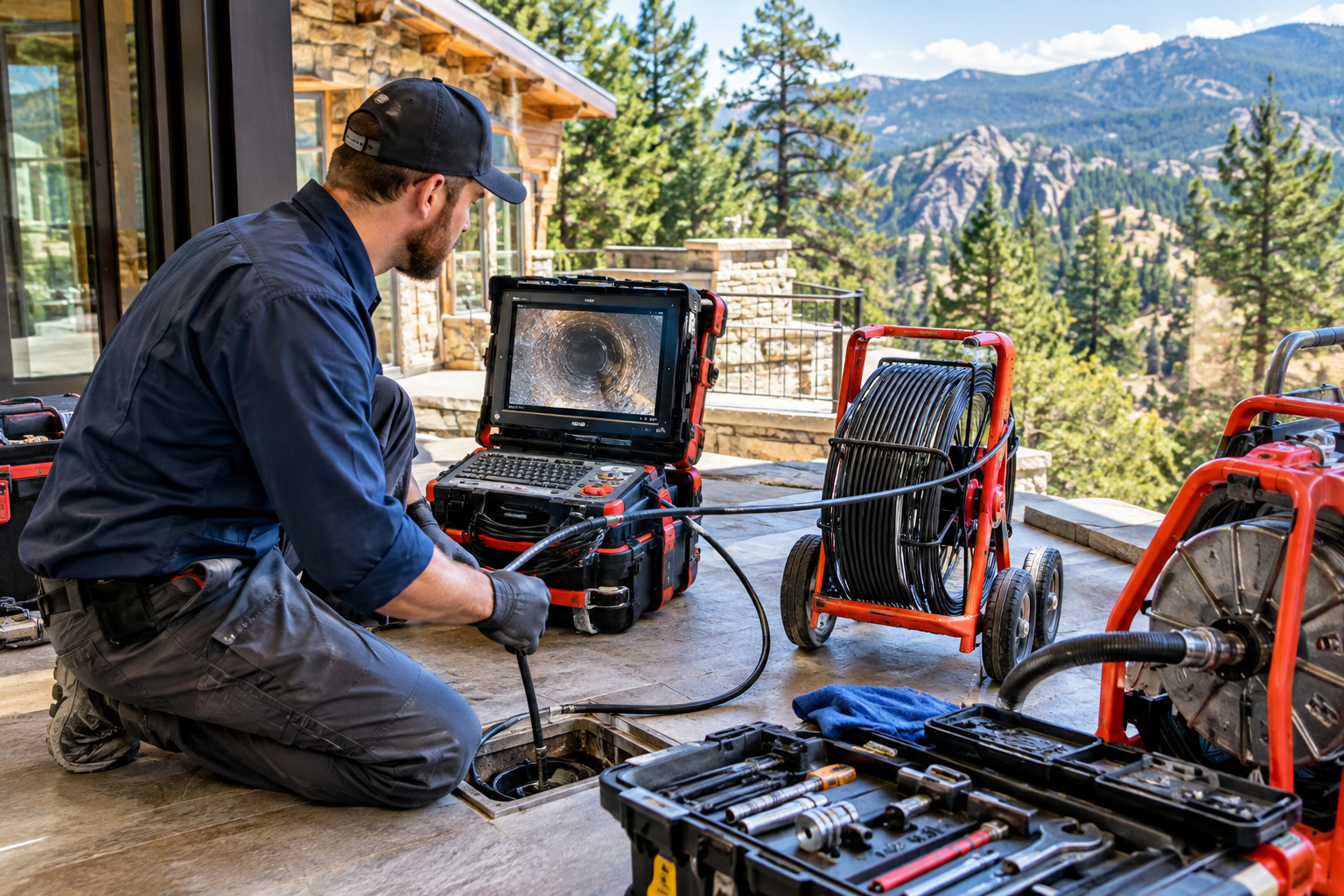
This is where video inspection services in Conifer CO have changed the way drain problems get solved. A technician feeds a waterproof camera on a flexible rod into the line. The live feed shows exactly what's happening inside the pipe.
A camera can reveal root intrusion, cracks, offset joints, sagging sections (called "bellies"), corrosion, and collapsed pipe. Many systems also include a locator that pinpoints the problem's depth and position from the surface. That detail is especially useful on rocky lots where digging is difficult and expensive.
Why Seeing the Problem Matters
Without a camera, repairs often rely on educated guesses. A homeowner might pay for repeated cleanings when the real issue is a broken pipe. Or they might face a full excavation when only one short section needs attention.
Camera footage also creates a clear record. Homeowners can see the damage for themselves, compare repair options, and make decisions based on facts rather than assumptions.
Repair Options After the Diagnosis
Once the problem is clear, the repair path usually falls into one of a few categories.
- Spot repairs fix a single damaged section, which works well for an isolated crack or root entry point.
- Pipe lining inserts a resin-coated liner that hardens inside the existing pipe, creating a new pipe within the old one.
- Pipe bursting pulls a new line through the old one while breaking the damaged pipe apart.
- Traditional excavation may still be needed for fully collapsed lines or severe sags.
Trenchless methods like lining and bursting are often appealing in the mountains. They limit digging through rocky ground, mature landscaping, and long driveways. That said, they aren't always possible, and a camera inspection helps confirm whether a line is a good candidate.
What This Looks Like in Real Homes
Consider a family in a 1970s home tucked among the pines. Every spring, their basement drain backs up after snowmelt. A plumber clears it each time, but the problem keeps returning. A camera finally reveals tree roots growing through a cracked clay joint about 40 feet from the house. A targeted repair at that spot ends years of recurring trouble.
Another common scenario involves a cabin that sits empty for part of the winter. The owners return to find sluggish drains throughout the home. In this case, a section of line in an unheated crawl space had frozen and partly cracked. Thawing the pipe restored flow, but the inspection showed the damage that needed fixing before the next freeze.
Home buyers face a quieter version of the same issue. A house can look perfect while hiding a sagging sewer line underground. More buyers now request a sewer scope before closing. A short camera inspection can uncover thousands of dollars in hidden repairs and give buyers room to negotiate.
Warning Signs Worth Taking Seriously
Some drain problems announce themselves loudly. Others build quietly until something gives. Homeowners should pay attention when they notice:
- Several fixtures draining slowly at the same time
- Gurgling sounds from toilets or sinks
- Sewage odors inside the home or near the yard
- Water pooling around floor drains or the lowest fixtures
- Unusually green or soggy patches of lawn above the sewer line or drain field
A single slow sink usually points to a local clog. Multiple slow drains at once often signal a problem in the main line or septic system, and that calls for a closer look.
Simple Habits That Prevent Costly Repairs
Prevention in the mountains comes down to a few consistent habits. Keep grease, coffee grounds, and food scraps out of the sink. Avoid flushing "flushable" wipes, which don't break down the way toilet paper does.
Before winter, insulate exposed pipes in crawl spaces and garages. Homeowners who leave properties vacant should keep the heat at a safe minimum. Septic tanks also need regular pumping, typically every three to five years depending on household size and usage.
Finally, think about scheduled inspections for older lines or properties with large trees nearby. Local providers such as Colorado Drainmaster are among those who use camera diagnostics to spot root growth and pipe wear before they cause a backup. Catching problems early is almost always cheaper than responding to an emergency.
The Bottom Line
Drains rarely fail without warning, but those warnings are easy to miss until the damage is done. For mountain homeowners, the smartest approach to drain cleaning and repairs in Conifer CO is to diagnose first and fix second. Pairing modern cleaning methods with video inspection services in Conifer CO helps ensure the real problem gets solved the first time.
If your drains have started acting up, don't wait for a full backup. Pay attention to the warning signs, keep up with seasonal maintenance, and consider a camera inspection when problems keep coming back.
Frequently Asked Questions
How often should drains be professionally cleaned?
Most homes benefit from a professional drain cleaning every one to two years. Homes with mature trees, older pipes, or frequent clogs may need more frequent service.
Is hydro jetting safe for older pipes?
Hydro jetting is safe for most pipes in good condition. However, cracked, corroded, or fragile lines may be damaged by high pressure, so a camera inspection is usually recommended first.
Can chemical drain cleaners harm a septic system?
Yes. Many chemical cleaners kill the bacteria that septic tanks need to break down waste. They can also corrode pipes over time, so mechanical cleaning is generally the safer choice.
How much does a sewer camera inspection cost?
Costs vary by location, line length, and access points, but residential inspections often range from about $150 to $500. Many homeowners find the cost worthwhile compared to unnecessary digging or repeat repairs.