
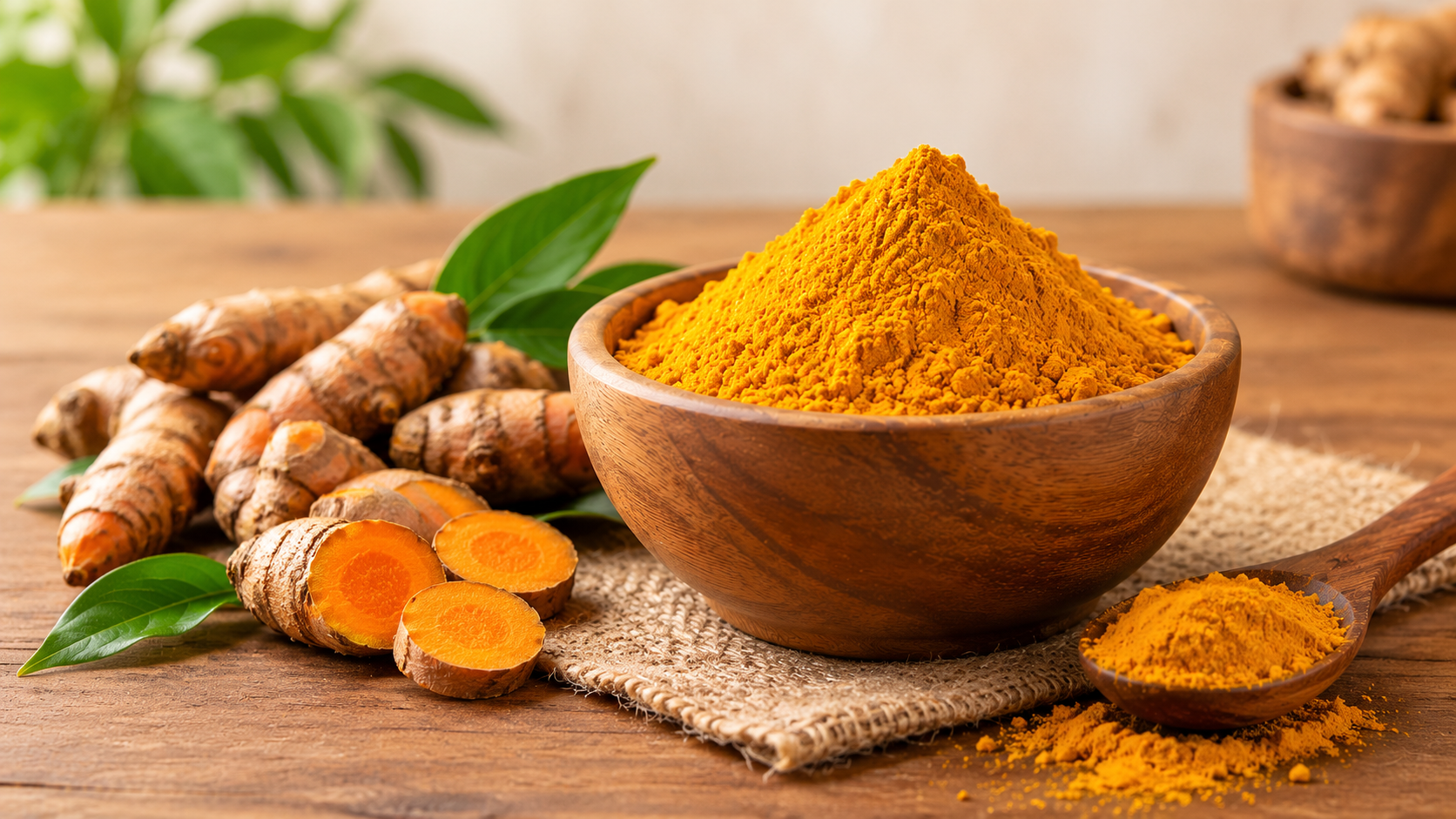
Turmeric powder is a popular spice found in kitchens across India. Known for its golden-yellow colour, earthy aroma, and distinctive flavour, it adds warmth and depth to everyday meals. From simple dal and vegetable curries to soups and rice dishes, turmeric is a versatile ingredient that fits naturally into daily cooking.
Traditionally, turmeric has also been used in various household wellness routines. Many people include it in warm drinks and homemade recipes as part of their daily habits. However, it is important to understand the difference between traditional practices and scientifically established health benefits.
Why Turmeric Powder Is a Kitchen Essential
Turmeric powder is valued for its colour, flavour, and versatility. A small quantity can enhance the appearance of a dish while complementing other spices such as cumin, coriander, black pepper, and ginger.
Its active compound, curcumin, has been studied for its antioxidant and anti-inflammatory properties. Research is ongoing, and the effects of turmeric in everyday food should not be considered equivalent to those of concentrated supplements or medical treatments.
Understanding the Benefits of Turmeric Powder
The benefits of turmeric powder are often discussed in connection with its traditional use and naturally occurring compounds. Turmeric contains curcumin, which researchers continue to study for its potential role in supporting normal body functions.
When used as part of a balanced diet, turmeric can contribute flavour and variety to meals. Some research explores its potential anti-inflammatory and antioxidant effects, but evidence varies depending on the preparation, amount consumed, and health outcome being studied.
Turmeric should not replace prescribed medication or professional medical advice. For most people, using it in ordinary cooking is a practical way to enjoy this traditional spice as part of a varied diet.
Simple Ways to Use Turmeric in Everyday Cooking
Turmeric powder can be added to a wide range of recipes without making cooking complicated. The key is to use an appropriate amount so that its earthy flavour complements the other ingredients.
Here are some everyday ways to include it:
-
Dal and curries: Add a small amount while cooking lentils, vegetables, or gravies.
-
Rice dishes: Mix turmeric into the cooking water for a warm golden colour.
-
Soups: Use it in vegetable soups for additional depth of flavour.
-
Marinades: Combine turmeric with ginger, garlic, and other spices for vegetables or protein.
-
Warm drinks: Some people add a pinch to warm milk or other beverages as part of a traditional routine.
The amount required depends on the recipe and personal taste. Starting with a small quantity helps maintain a balanced flavour.
Adding Turmeric to Wellness Routines
Turmeric has a long history in traditional food practices, and many households continue to use it in simple daily routines. Some people enjoy turmeric in warm milk, while others prefer including it in home-cooked meals.
A balanced wellness routine involves more than one ingredient. Regular physical activity, sufficient sleep, a varied diet, and appropriate medical care all play important roles in overall well-being.
Although turmeric and curcumin are being researched for possible health effects, results from studies do not always translate directly to benefits from the amounts used in food. People considering high-dose turmeric supplements, especially those taking medication or managing a medical condition, should consult a qualified healthcare professional.
How to Choose Good-Quality Turmeric Powder
The quality of turmeric powder can influence its aroma, colour, and performance in recipes. Choosing carefully helps you enjoy its natural characteristics and get consistent results in the kitchen.
Keep these points in mind when buying turmeric powder:
-
Check the ingredient list: Look for products that clearly identify turmeric as the ingredient.
-
Notice the aroma: Good turmeric generally has a characteristic earthy, warm smell.
-
Inspect the packaging: Choose sealed packaging that protects the powder from moisture and contamination.
-
Buy from reliable sources: Prefer sellers who provide clear product information and follow appropriate quality practices.
-
Avoid judging by colour alone: Bright colour does not automatically prove purity or quality.
A trusted source and transparent product information are more useful indicators than appearance alone.
Storage Tips for Freshness and Flavour
Proper storage helps preserve turmeric powder's aroma, colour, and flavour over time. Moisture, heat, and direct sunlight can affect the quality of ground spices, so a few simple habits can make a difference.
-
Store turmeric in a clean, dry, airtight container.
-
Keep it away from direct sunlight and heat sources.
-
Always use a dry spoon to prevent moisture from entering the container.
-
Avoid storing spices near steam from cooking pots.
-
Check the aroma and appearance periodically, and follow the product's storage instructions.
Buying quantities that you can use within a reasonable period can also help reduce waste and maintain freshness.
The Role of Traditional Spice Preparation
Traditional methods of preparing spices focus on careful handling, suitable drying, and grinding to achieve a useful texture and aroma. The exact process can vary depending on the spice and the producer.
The term pounded spices refers to spices prepared by pounding rather than relying solely on conventional industrial grinding. People may prefer different preparation methods based on texture, aroma, convenience, and cooking needs. However, the method alone does not establish that a spice is purer or more nutritious; quality also depends on the raw ingredients, hygiene, processing, and storage.
For readers interested in learning more about turmeric's traditional uses and researched properties, explore this guide to the benefits of turmeric powder.
Final Thoughts
Turmeric powder remains a useful everyday ingredient because it brings colour, aroma, and distinctive flavour to many familiar recipes. It can be included in meals and traditional household routines without requiring complicated preparation.
Choosing a reliable product, using suitable quantities, and storing it correctly can help maintain its quality. While research into turmeric's compounds continues, the best approach is to enjoy turmeric as part of a balanced diet rather than treating it as a cure or substitute for medical care.