
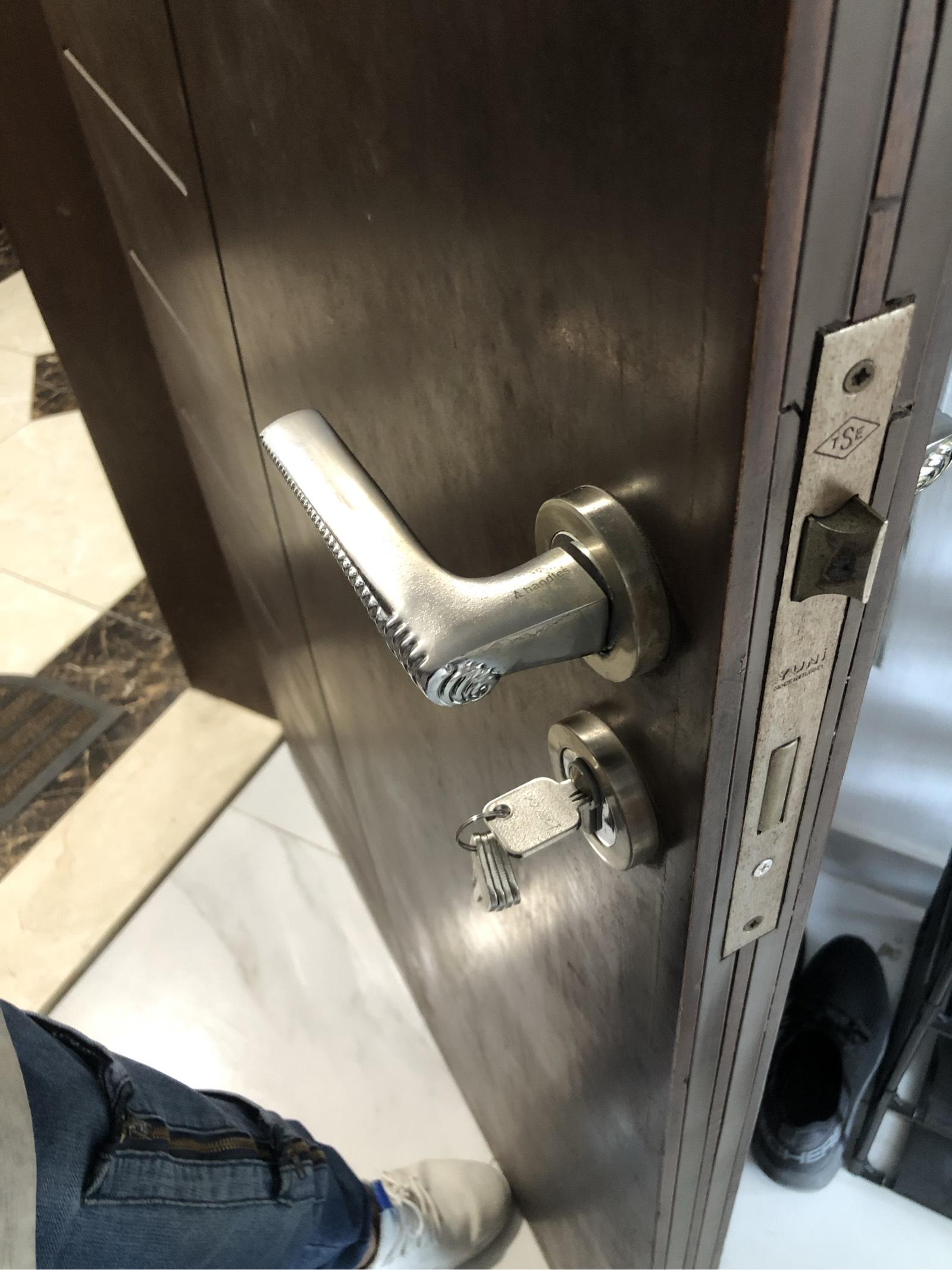
Replacing a door can completely change the appearance and functionality of a property. However, homeowners sometimes discover an unexpected problem after installation: the existing lock no longer fits the new door correctly. The lock may have been perfectly functional on the previous door, but differences in thickness, preparation, handle position, cylinder dimensions, or internal construction can make it unsuitable for the replacement.
This situation is relatively common when doors are upgraded during renovations or when an old entrance is replaced because of damage or wear. The important thing is not to force the old lock into a door that was not prepared for it. Doing so can affect the door, locking mechanism, and overall security.
For Dubai homeowners, understanding what needs to be checked can help determine whether the existing lock can be adapted or whether installing a suitable new lock is the better option.
Why the Old Lock May No Longer Fit
Doors are not all manufactured to identical specifications. Even when a replacement door looks almost the same as the previous one, its construction can be different.
The new door may have a different thickness, internal structure, lock preparation, or position for the handle and cylinder. A lock that was designed for the previous door may therefore sit too far inside, too far outside, or at an incorrect height.
The problem can also occur when a homeowner changes from one type of door to another. For example, a locking arrangement designed for one type of residential door may not be directly compatible with a different construction.
Check the Door Thickness First
One of the first things to establish is the thickness of the new door.
Lock hardware is manufactured for particular ranges of door thicknesses. If the new door is thicker or thinner than the previous one, the existing cylinder, spindle, screws, or other components may no longer sit correctly.
A lock that is not properly matched to the door can affect both appearance and operation. Before buying replacement hardware, the door should therefore be measured rather than choosing a lock based only on photographs or appearance.
The Lock Preparation May Be Different
A new door may have a different cut-out or preparation for the lock.
The previous door might have been designed for a particular mortise lock, cylindrical lock, or another configuration, while the new door may have a different arrangement.
If the new door has not been prepared for the existing lock, attempting to enlarge or modify the opening without understanding the hardware can create unnecessary damage.
The replacement lock should be selected according to the actual door preparation and the required locking function.
Handle and Cylinder Position Matters
Even if the old lock appears close to fitting, the position of its components needs to be correct.
The handle, cylinder, latch, and locking mechanism need to align properly with the door and frame. If the cylinder sits at the wrong position or the handle does not line up correctly, the lock may not operate as intended.
A professional installation takes these measurements into consideration before the final hardware is fitted.
Do Not Force the Existing Lock
When homeowners have recently paid for a new door, it can be tempting to reuse every component from the old one. However, forcing an incompatible lock into the new door can create additional problems.
The door material can be damaged, mounting points can become weak, and the locking mechanism may not sit securely.
More importantly, a lock that has been installed incorrectly may appear to work while failing to provide reliable operation. The key may turn with difficulty, the latch may not extend fully, or the door may not close correctly.
Compatibility should therefore be established before installation.
Can the Old Lock Be Adapted?
Sometimes an existing lock can be reused, but this depends on the door and hardware.
If the new door has compatible dimensions and preparation, the lock may be transferable. In other cases, additional compatible components may be required.
A professional can inspect the old hardware and the new door to determine whether reuse is practical. This is preferable to assuming that a lock can be transferred simply because it worked on the previous door.
When Replacing the Lock Is the Better Option
If the old lock is incompatible with the new door, installing suitable replacement hardware may be the more practical solution.
This can also be an opportunity to address other concerns. If the old lock was already worn, difficult to operate, or outdated, there may be little benefit in trying to preserve it.
A new lock can be selected specifically for the replacement door, ensuring that the cylinder, latch, strike plate, and other components work together correctly.
Check the Door Frame as Well
The problem is not always limited to the door itself. The frame also needs to work with the new locking arrangement.
The latch or bolt must enter the strike area correctly when the door closes. If the strike plate is in the wrong position, the door may be difficult to lock even if the lock is installed correctly in the door.
A professional should therefore check the door and frame together rather than treating them as completely separate components.
What If the Door Closes but Does Not Lock?
This is a useful warning sign.
If the door closes normally but the latch does not line up with the opening in the frame, the lock may have been installed at the wrong position or the door may require alignment.
Do not repeatedly slam the door in an attempt to make the latch engage. This can damage both the door and frame.
Instead, check the alignment and the position of the locking hardware before continuing to use it.
Consider the Door Material
The construction of the new door also affects the choice of lock.
A solid timber door, metal door, aluminium door, and other door constructions may require different hardware and installation methods. The internal space available for the locking mechanism can also vary.
This is another reason why homeowners should not assume that a lock from an old door will automatically transfer to a new one.
The replacement hardware needs to be appropriate for the actual door construction.
Renovation Is a Good Time to Review Security
If you are already replacing a door, it can be worth considering whether the locking arrangement still meets your current needs.
A homeowner may discover that the old lock was selected many years ago and no longer suits the property. A renovation provides an opportunity to review the main entrance, cylinders, keys, handles, and other access hardware.
This does not necessarily mean choosing the most expensive lock available. The objective is to select hardware that is appropriate for the door and provides reliable everyday operation.
What If You Have Already Bought a New Lock?
If you have purchased a replacement lock independently, check its specifications before installation.
Compare the manufacturer's requirements with the actual door. Pay attention to door thickness, lock dimensions, backset, cylinder requirements, handle arrangement, and the required door preparation.
If the specifications do not match, avoid modifying the door immediately. Returning or exchanging the hardware for a compatible model may be easier than trying to make an unsuitable lock fit.
When Professional Installation Makes Sense
If the old lock does not fit the new door, professional assistance can help avoid unnecessary trial and error.
A locksmith can inspect the existing lock, examine the new door, take the required measurements, and determine whether the old hardware can be reused. If it cannot, they can recommend suitable replacement hardware based on the door and the required level of access.
For homeowners searching for door lock change near me, the important consideration should not simply be finding someone who can install a lock. The service should address compatibility between the door, frame, and locking mechanism.
Test Everything After Installation
Once the lock has been installed, it should be tested before the job is considered complete.
Check the key operation, handle, latch, deadbolt if present, and strike plate. The door should close without excessive force, and the locking mechanism should engage fully.
Test the lock with the door open first where possible. Then close the door and check the complete locking cycle.
If the key becomes difficult to turn only when the door is closed, the alignment should be reviewed.
Keep the Old Lock Until the New Setup Is Confirmed
If the old lock has been removed, avoid throwing it away immediately.
Keep the hardware until the new locking arrangement has been installed and confirmed to work correctly. This can be useful if a component needs to be compared or if the new lock turns out to be incompatible.
Once the new setup has been tested and confirmed, the old hardware can be stored or disposed of appropriately.
Frequently Asked Questions
Can I use the old lock on a new door?
Possibly, but compatibility needs to be checked. Door thickness, lock preparation, cylinder dimensions, and component positioning can all affect whether the old hardware can be reused.
Why does a lock that worked before not fit my new door?
The new door may have different dimensions, construction, or preparation. Even small differences can make existing hardware unsuitable.
Should I modify the new door to make the old lock fit?
It is better to establish compatibility first. Unnecessary cutting or drilling can damage the door and may weaken the installation.
Does a new door always need a new lock?
No. If the existing lock is compatible and in good condition, it may be possible to reuse it.
What should I check after installing a new lock?
Check the key, handle, latch, bolt, door closing, and strike alignment. Everything should operate smoothly without excessive force.
Final Thoughts
Installing a new door does not always mean that the old locking hardware can simply be transferred. Differences in door thickness, construction, lock preparation, cylinder position, and frame alignment can all affect compatibility.
Before forcing an old lock into a replacement door, have the hardware and door checked together. If the lock is compatible and in good condition, reuse may be possible. If it is incompatible, worn, or outdated, installing a suitable replacement can provide a more reliable result.
The most important part of the process is correct compatibility and installation. A lock should not only fit physically but should also operate smoothly and engage correctly with the door frame.
For Dubai homeowners, replacing a door is an ideal time to review the complete locking arrangement. Taking care of the lock at the same time can prevent alignment problems, difficult operation, and unnecessary repairs later, while ensuring that the new door provides the secure and practical access arrangement the property requires.