
Managing user access is essential for protecting sensitive business information and maintaining the security of SAP systems. Organizations must ensure that employees have the appropriate permissions to perform their assigned tasks without exposing critical data to unnecessary risks. SAP Governance, Risk, and Compliance (GRC) supports this process through access management, risk identification, and compliance monitoring. By implementing effective access controls, businesses can improve accountability, reduce security vulnerabilities, and maintain reliable business operations.
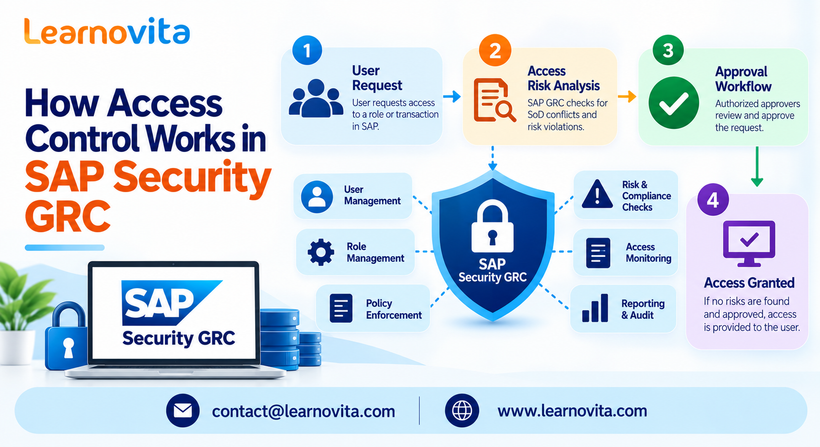
The Role of Access Control in SAP Security GRC
Access control helps organizations determine which users can access specific SAP applications, transactions, and business information. SAP Security GRC provides processes for managing permissions, reviewing user access, and identifying authorization-related risks. These controls help prevent unauthorized activities and ensure that employees receive access based on their job responsibilities. Individuals who want to understand these concepts can explore SAP Security GRC Online Training to develop foundational knowledge of SAP access governance.
Streamlining User Access Requests and Authorization
Organizations need a consistent process for providing employees with the system access required for their daily activities. SAP GRC Access Request Management helps coordinate access requests, approvals, and risk checks through defined workflows. Before granting permissions, responsible teams can review the requested access and determine whether it meets business requirements. This structured approach helps maintain authorization control, reduce unnecessary permissions, and ensure that access decisions follow organizational policies.
Organizing User Permissions with Role Management
Role management enables administrators to assign permissions according to specific job functions and responsibilities. For example, an employee responsible for processing invoices may require different access privileges from a manager who approves financial transactions. By organizing permissions into appropriate roles, organizations can simplify access administration and maintain consistent authorization standards. Segregation of duties is also important because it helps identify conflicting responsibilities, such as allowing the same user to create supplier records and approve payments. Professionals can strengthen their understanding of these practices through SAP Security GRC Training in Bangalore.
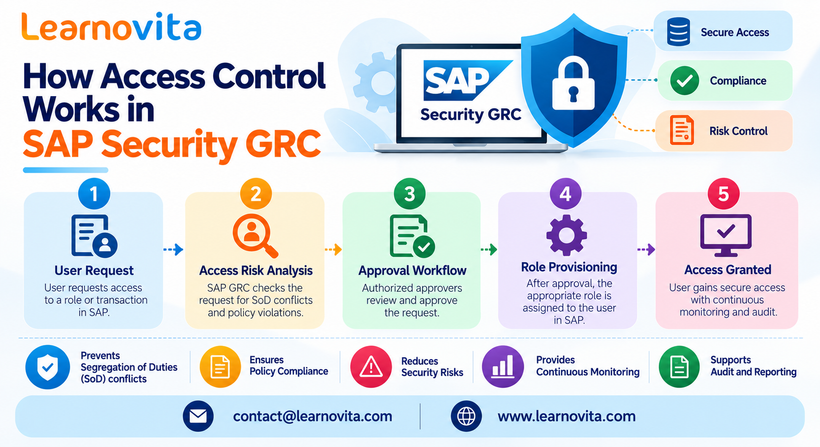
Evaluating Authorization Risks and Security Violations
Access Risk Analysis helps organizations identify potentially harmful combinations of user permissions. SAP GRC evaluates assigned access against predefined risk rules to highlight segregation-of-duties conflicts and critical authorizations. For instance, a user who can create a vendor and approve payments may have permissions that require additional investigation. Security administrators can address identified risks by adjusting roles, removing unnecessary access, or introducing suitable monitoring controls. This process helps organizations reduce the possibility of unauthorized transactions and improve overall security management.
Managing Privileged Access During Emergency Situations
Certain technical or business situations require temporary access to sensitive system functions. Emergency Access Management provides a controlled method for authorizing elevated permissions when immediate action is necessary. For example, a technical administrator may require additional access to investigate a critical system failure. Depending on the organization's configuration, emergency access can involve approvals, activity logs, and reviews to maintain accountability. These measures allow authorized professionals to resolve urgent issues while helping organizations monitor privileged activities and minimize security risks.
Improving Governance Through Access Certification
Regular access reviews help organizations determine whether existing user permissions remain appropriate. When employees change positions, transfer departments, or leave the company, their access requirements may also change. Periodic reviews allow managers and security teams to identify outdated permissions and initiate necessary updates. Maintaining accurate access records supports internal governance policies and helps organizations demonstrate compliance during audits. Learners interested in understanding these responsibilities can explore SAP Security GRC Training in Hyderabad to build knowledge of access governance and compliance processes.
Career Opportunities in SAP Security GRC
Knowledge of SAP authorization concepts, role management, access risk analysis, privileged access, and compliance monitoring can help professionals prepare for different SAP security responsibilities. These skills are relevant to roles involving SAP security administration, GRC consulting, access governance, and risk management. Practical learning can help individuals understand how access requests are evaluated, security conflicts are addressed, and authorization controls are maintained. Those looking to develop these skills can explore SAP Security GRC Training in Chennai to expand their understanding of SAP security and governance practices.
Conclusion:
SAP Security GRC helps organizations manage access permissions, evaluate authorization risks, monitor privileged activities, and maintain effective security controls. By combining structured access requests, role-based permissions, risk analysis, and periodic access reviews, businesses can protect sensitive information and strengthen compliance practices. Understanding these processes helps professionals recognize how SAP GRC contributes to secure access management and supports reliable business operations.