
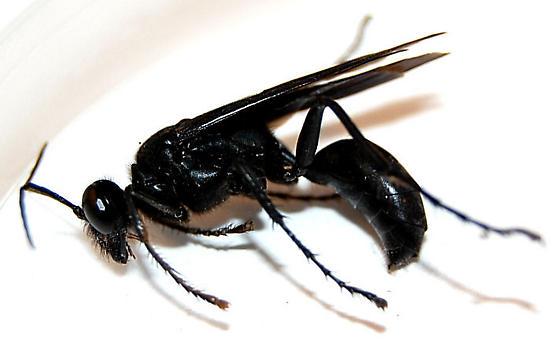
When most people spot a black wasp buzzing nearby, the instinct is to panic or swat it away. However, not all wasps are aggressive, and not every black wasp should be seen as a danger. In Texas, a variety of wasp species exist, some more menacing than others. The black wasp, often misunderstood due to its intimidating appearance, plays a more complex role in our ecosystem than simply being a stinger.
If you’ve ever encountered a black wasp Texas, chances are you made a quick decision—either back away, run, or try to eliminate it. But knowing the facts about this insect can change your perspective and help you make safer, more informed choices.
Understanding the Black Wasp
The term "black wasp" generally refers to the Great Black Wasp (Sphex pensylvanicus), a solitary species found throughout North America, including many parts of Texas. These wasps are easily recognizable due to their large size—reaching up to 1.5 inches—and their entirely black, shiny bodies. Their sheer size and color can make them appear more dangerous than they actually are.
Unlike social wasps like yellowjackets and hornets, which can attack in groups, the Great Black Wasp is solitary. This means it doesn't build large communal nests or defend colonies aggressively. In fact, it rarely stings unless provoked directly.
The Behavior of Black Wasps
The black wasp’s lifestyle is largely non-aggressive. Female black wasps spend most of their time hunting and preparing nests for their young. They’re often found around gardens, meadows, and open fields where they hunt katydids or grasshoppers to feed their larvae.
Males, on the other hand, don’t even have stingers and therefore pose no threat at all. They typically spend their lives mating and guarding territories, often flying low to the ground and inspecting disturbances.
Their seemingly menacing flight patterns, such as hovering in place or inspecting humans curiously, are more about observation than aggression. These behaviors often lead to misunderstandings, making people overreact to what is, in most cases, a harmless insect.
Stings: Painful but Rare
Yes, the black wasp is capable of stinging, but it very rarely does so unless it is directly handled or feels trapped. The sting, while painful, is not dangerous to most people. It is not venomous in the sense that it poses long-term health risks, except for those with allergies to wasp stings.
It’s important to note that wasps, unlike bees, can sting multiple times, but again—this is almost never their first choice of defense. In many cases, black wasps will simply fly away rather than engage in conflict.
Role in Pollination
While many people think of bees as the champions of pollination, wasps, including black wasps, also play a significant role. Adult black wasps feed on nectar and are often seen visiting flowers. As they move from bloom to bloom, they help with the transfer of pollen, thereby supporting the ecosystem and even your backyard garden.
If you maintain a garden or grow vegetables and flowers, having black wasps around might actually be beneficial. Their presence can contribute to plant health, reduce pest populations, and improve overall biodiversity.
Natural Pest Control
Perhaps one of the most underrated benefits of black wasps is their ability to control pests. These insects are natural predators of several garden pests. As mentioned earlier, females hunt for grasshoppers, katydids, and other large insects, which they paralyze and carry back to their nests as food for their larvae.
This natural form of pest control can help reduce the need for chemical insecticides in your yard or garden. By simply letting black wasps do their job, you can maintain a healthier outdoor environment with fewer bugs that damage plants or spread diseases.
Where They Nest
Black wasps do not build the papery hives we commonly associate with social wasps. Instead, females create underground burrows or use existing crevices in loose soil. These nests are used solely for raising their young and are not defended the way hornet or yellowjacket nests are.
This means there’s little to worry about if you find a black wasp nest in your yard, especially if it's in an undisturbed corner or garden bed. The wasp is unlikely to attack unless you dig into the burrow or disturb its immediate surroundings.
When to Be Cautious
Despite their generally harmless nature, black wasps are still wild insects. Caution is always advised if you're unsure of the species you're dealing with. In some rare instances, what appears to be a black wasp could be another more aggressive species or a misidentified hornet.
If you or someone in your household has a known allergy to wasp stings, it’s wise to keep a safe distance regardless of the species. Even though the black wasp isn't typically aggressive, an allergic reaction doesn’t discriminate.
Mid to late summer is when black wasp activity peaks due to their breeding cycle. During this time, it’s normal to see more of them flying around gardens, lawns, and outdoor patios. Even during this period of increased visibility, their threat level remains low.
Understanding Other Texas wasps
It’s also important to recognize that not all wasps in Texas are created equal. The state is home to a wide variety of wasp species, some of which are far more aggressive than the black wasp. These include yellowjackets, paper wasps, and cicada killers.
Yellowjackets, for example, are highly defensive and will sting repeatedly to protect their nests. Paper wasps, though less aggressive, are territorial and may sting if their nests are disturbed. Understanding the behavior of different Texas wasps can help you avoid unnecessary panic and respond more appropriately when you encounter one.
Knowing which wasp you're dealing with allows you to make smarter decisions, such as whether it’s safe to leave the insect alone or if you need professional pest control.
What to Do if You See One
If you encounter a black wasp, the best course of action is often no action at all. Give it space, and it will likely move on. Avoid swatting at it, as sudden movements can be perceived as threats and provoke a defensive sting.
If the wasp seems to have made a home near your high-traffic areas—like a patio, porch, or children’s play space—it may be worth calling a pest control professional to assess the situation. They can determine whether it’s truly a black wasp or a more dangerous species and advise on the best course of action.
Coexisting with Black Wasps
The idea of coexisting with wasps might sound unrealistic to some, but with black wasps, it’s entirely possible. By understanding their behavior and benefits, homeowners can learn to appreciate their presence instead of fearing it.
Simple adjustments, like not using heavy perfumes, brightly colored clothing, or sugary drinks outdoors, can minimize unwanted attention from any type of wasp. Keeping trash bins closed and food sealed can also reduce the likelihood of attracting other, more aggressive wasps.
Educating your family about the harmless nature of black wasps goes a long way in reducing fear and encouraging respect for nature.
When Professional Help is Needed
If you’re ever in doubt about the type of wasp in your vicinity or notice increasing numbers near your home, it’s wise to consult a licensed pest control expert. While black wasps are generally safe, the line between nuisance and potential hazard can blur when other species get involved.
Professionals can help identify the insect, confirm the nest location, and remove it safely if necessary. They can also provide tips for preventing future nesting in sensitive areas of your property.
Final Thoughts
The black wasp in Texas, while visually intimidating, is often misunderstood. Far from being a dangerous pest, this solitary insect offers a range of ecological benefits, from pollination to natural pest control. Its calm demeanor and solitary habits make it a low-risk presence in most environments.
By learning to recognize the black wasp and understanding its behavior, Texans can adopt a more balanced perspective. Rather than reaching for the bug spray at every sighting, you might find yourself appreciating the quiet work these creatures do behind the scenes.