
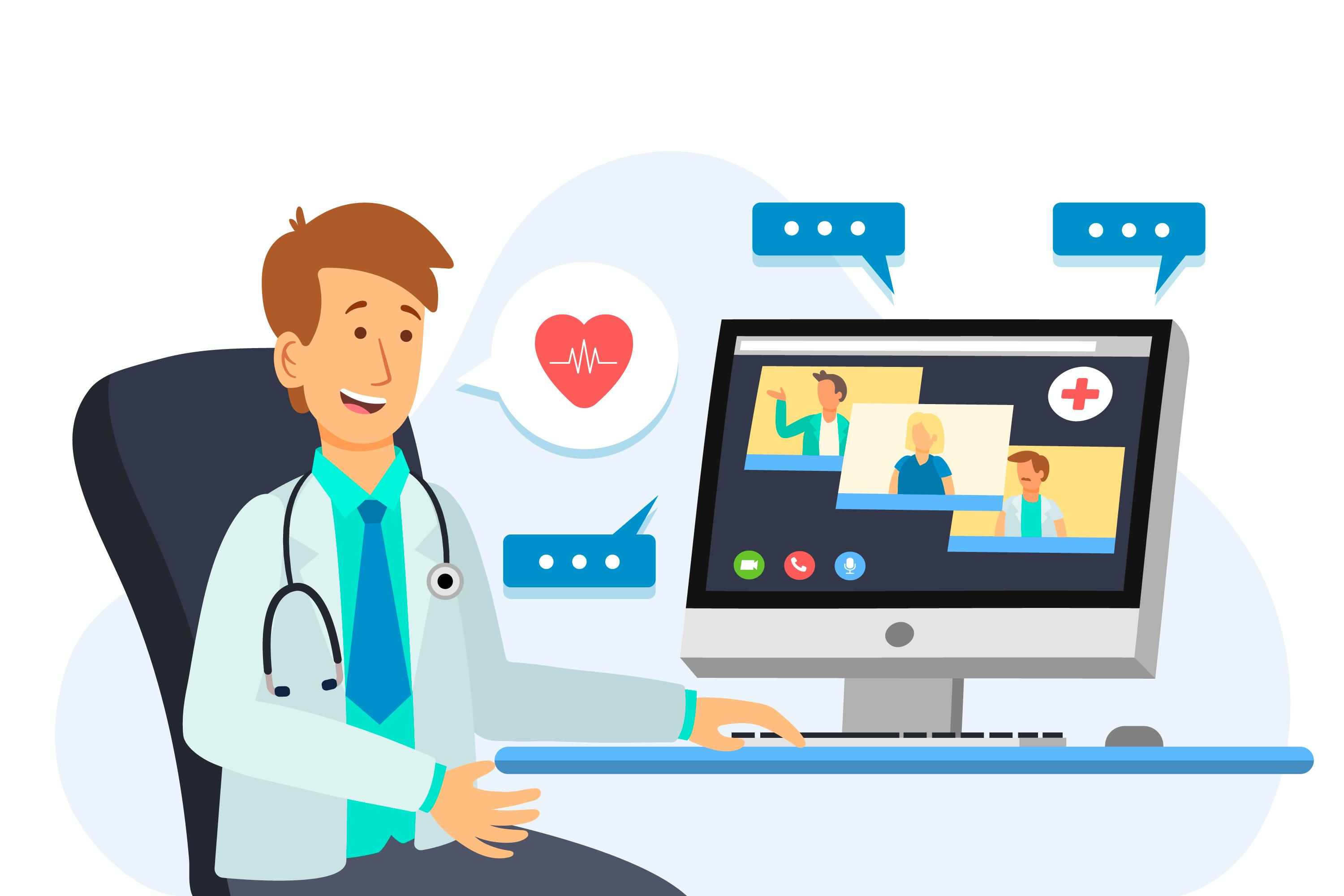
Chronic diseases like diabetes, heart problems, and asthma require regular care, consistent monitoring, and strong communication between patients and healthcare providers. This is where technology has made a big difference. A medical virtual assistant helps doctors, nurses, and patients stay connected while reducing unnecessary stress on the healthcare system. These assistants use technology to make care smoother, faster, and more reliable for patients dealing with long-term conditions.
Constant Support for Chronic Patients
Chronic disease patients often need ongoing support rather than one-time treatments. Virtual medical assistants help patients keep track of appointments, medication schedules, and test results, making life easier for both patients and healthcare teams.
Easy Appointment Scheduling
Many patients struggle with managing regular checkups. Virtual medical assistants handle scheduling tasks, send reminders, and ensure patients never miss important follow-ups with their doctors.
Medication Reminders Made Simple
Managing multiple medications can be confusing. Virtual assistants send friendly reminders to patients about what medicines to take and when, reducing the chances of skipped doses.
Helping with Test Results and Reports
After tests like blood sugar or cholesterol checks, patients want quick answers. Virtual medical assistants help deliver reports, explain next steps, and connect patients with doctors for further advice.
Reducing Hospital Visits Through Remote Support
Chronic patients sometimes feel they need to visit the hospital for small issues. With virtual assistants, many questions can be answered remotely, saving time, money, and effort.
Better Communication Between Doctors and Patients
Sometimes, patients feel lost after leaving the clinic. Virtual assistants bridge this gap by making sure doctors get regular updates on the patient’s condition and patients get clear answers to their questions.
Tracking Patient Health Progress
Virtual assistants help store health data like blood pressure readings or sugar levels. This information is shared with doctors so they can make better treatment decisions for patients.
Support for Lifestyle Changes
Chronic diseases often require lifestyle changes like healthy eating or exercise. Virtual assistants send easy tips, diet plans, and motivational messages to help patients stick to healthier routines.
Language and Accessibility Support
Many patients feel nervous about talking to doctors because of language barriers or disabilities. Virtual medical assistants can provide translation tools or text-based communication for better understanding.
Personalized Care Plans
Every chronic disease patient is different. Virtual assistants help create care plans that match each patient’s needs, health goals, and daily routines for more effective treatment.
Educating Patients About Their Conditions
Knowledge gives patients confidence. Virtual assistants share simple educational materials about the disease, treatments, and prevention to help patients manage their health better.
Reducing Stress for Families
Families caring for chronic patients often feel overwhelmed. Virtual assistants provide updates, reminders, and guidance so family members can support the patient without feeling lost or stressed. healthcare virtual assistant canada for International Support use virtual assistants to improve patient care. Chronic disease patients in Canada benefit from this technology because it offers easy communication, remote health tracking, and reduced waiting times, showing how global healthcare is changing for the better.
Collecting Patient Feedback
To improve care, feedback is essential. Virtual assistants collect patient opinions about treatments, hospital visits, and doctor communication, helping healthcare teams improve services.
Emergency Support Alerts
If a patient reports symptoms like chest pain or extremely high blood sugar levels, virtual assistants can alert doctors quickly, making sure help reaches the patient in time.
Helping Doctors Save Time
Virtual assistants handle routine work like paperwork, scheduling, and reminders. This gives doctors more time to focus on serious health issues and complex patient needs.
Secure Data Handling
Patients often worry about privacy. Virtual assistants use secure systems to protect sensitive medical records while keeping communication open and easy.
Making Telehealth More Effective
Virtual assistants work well with telehealth services. They prepare patients before online appointments and share important notes with doctors afterward for better care continuity.
Multilingual Support for Diverse Populations
In countries with people from many backgrounds, virtual assistants can work in different languages, making healthcare more inclusive and comfortable for everyone.
Simplifying Insurance and Billing Questions
Chronic patients often have insurance or billing doubts. Virtual assistants help explain costs, coverage, and payment details, reducing confusion and financial stress.
Motivational Messages for Patients
Living with a chronic disease can feel overwhelming. Virtual assistants send encouraging messages and small reminders to keep patients positive and motivated.
Monitoring Mental Health Alongside Physical Health
Chronic illness often affects mental well-being. Virtual assistants check on patients’ emotional health and help connect them with counselors or therapists if needed.
Helping Patients Transition from Hospital to Home
After hospital discharge, patients need follow-up care. Virtual assistants help with instructions, medicine reminders, and home care tips for a smooth recovery.
Reducing Doctor Burnout
By taking over repetitive tasks, virtual assistants help doctors feel less stressed and more focused on important medical decisions.
Concluding the Article
In today’s healthcare world, virtual medical assistants play a powerful role in helping chronic disease patients stay healthy, informed, and connected. They support doctors, reduce hospital visits, and give patients confidence in managing their conditions. As technology continues to grow, the importance of a medical virtual assistant will only increase, bringing better care and peace of mind to patients everywhere.