
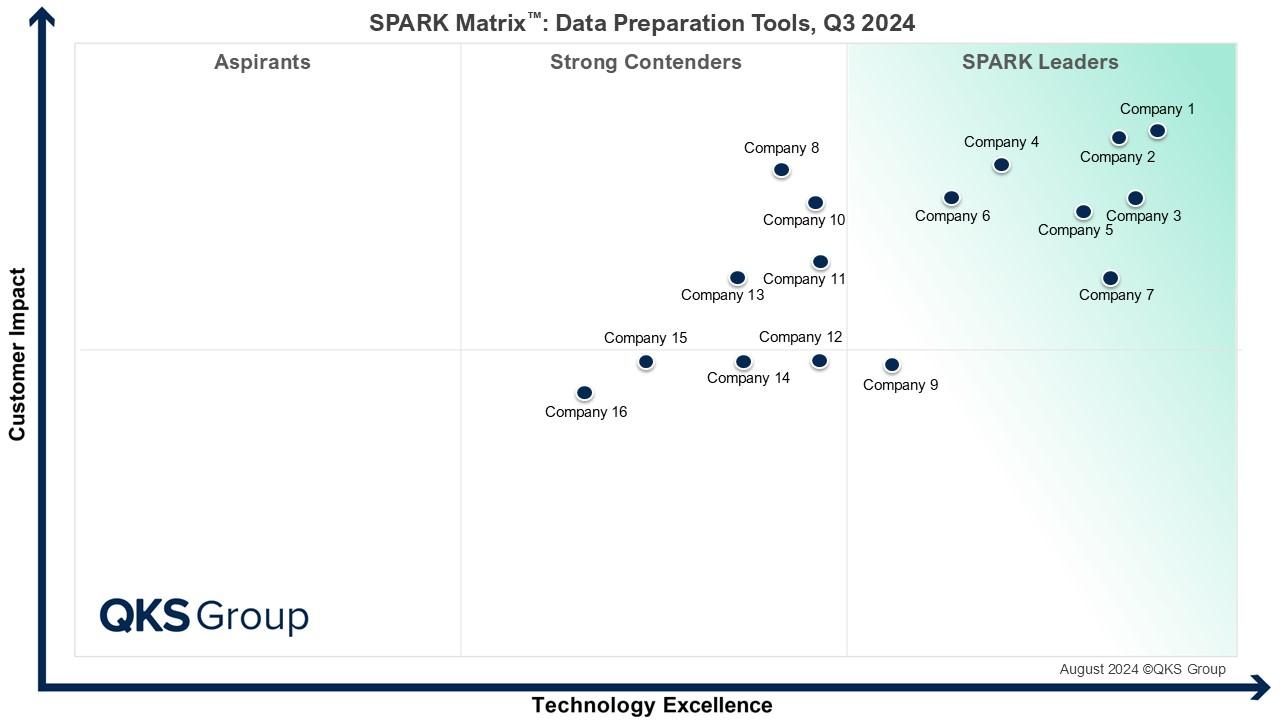
In the age of digital transformation, data has become the cornerstone of strategic decision-making. However, the true value of data can only be realized when it is clean, structured, and ready for analysis. This is where Data Preparation Tools come into play — offering businesses the ability to cleanse, transform, and manage data efficiently across various sources.
By automating complex data processes and fostering collaboration among teams, data preparation tools ensure that organizations can harness accurate and consistent data to fuel innovation, enhance agility, and drive long-term growth.
What Are Data Preparation Tools?
Data Preparation Tools are specialized software platforms designed to streamline the process of collecting, cleaning, transforming, and enriching data for analysis. They help identify and correct data inconsistencies, eliminate duplicates, and ensure uniform formatting — creating a reliable foundation for business intelligence, analytics, and AI applications.
These tools play a crucial role in bridging the gap between raw data and actionable insights, reducing manual effort while improving accuracy and speed.
Key Features and Capabilities
Modern Data Preparation Tools offer a range of advanced capabilities that empower businesses to manage data effectively:
- Data Cleansing and Transformation
- Automatically detect errors, missing values, and anomalies.
- Standardize and normalize datasets for consistency.
- Enable seamless transformation through user-friendly interfaces or automated scripts.
- Combine data from cloud applications, on-premise systems, APIs, and third-party platforms.
- Support structured and unstructured data for comprehensive analysis.
- Use machine learning algorithms to detect patterns, suggest transformations, and improve data quality.
- Reduce time spent on repetitive manual tasks, allowing teams to focus on strategic analysis.
- Allow cross-functional teams — from IT to business analysts — to work together seamlessly.
- Maintain compliance and governance standards with version control and data lineage tracking.
- Offer dashboards and visual tools for real-time tracking of data quality and readiness.
- Provide transparency into the data preparation lifecycle to support informed decision-making.
Benefits of Using Data Preparation Tools
Organizations adopting Data Preparation Tools gain a significant competitive advantage through:
- Enhanced Data Quality: Ensure clean, accurate, and reliable data for analytics and reporting.
- Faster Decision-Making: Accelerate insights by reducing time spent on data wrangling.
- Operational Efficiency: Automate data workflows, freeing up resources for high-value tasks.
- Cross-Functional Collaboration: Enable business and technical teams to work together effectively.
- Strategic Agility: Quickly respond to market changes with real-time, trustworthy insights.
By investing in modern data preparation solutions, businesses position themselves to extract maximum value from their data assets and drive intelligent, data-led innovation.
The Role of Data Preparation in Business Transformation
As organizations continue to embrace AI, analytics, and digital transformation, data preparation serves as the critical foundation for success. Whether it’s predictive modeling, customer segmentation, or operational optimization, data-driven initiatives rely heavily on the quality of the underlying data.
By integrating Data Preparation Tools into their data ecosystem, companies can ensure that their analytical outputs are both accurate and actionable — leading to better forecasting, improved customer experiences, and stronger business performance.
Conclusion
In a world where data is the new currency, Data Preparation Tools are the engines that power reliable analytics and intelligent decision-making. These platforms not only enhance data quality and accessibility but also align data management strategies with broader organizational goals.
By combining automation, collaboration, and analytics, data preparation tools help businesses unlock the full potential of their data — driving efficiency, agility, and long-term success.