
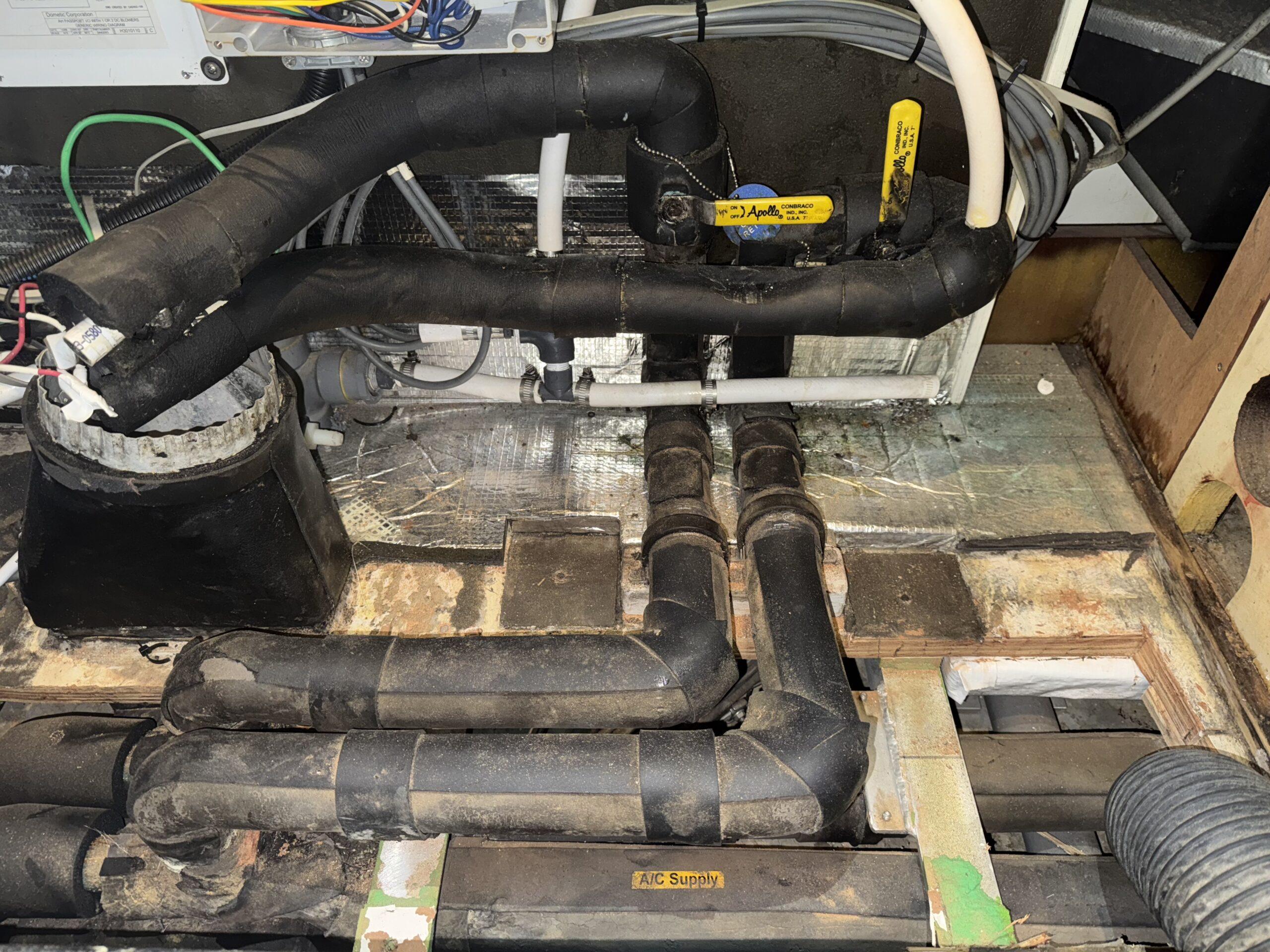
When it comes to the safety of vessels navigating vast waters, the importance of marine insulation and fire safety cannot be overstated. These essential elements play a pivotal role in protecting both the crew and the ship itself from catastrophic damage. Marine insulation provides thermal protection, while fire safety measures prevent hazardous conditions that could lead to devastating fires on board. For those seeking to ensure optimal vessel protection, understanding these components is crucial.
In this article, we delve into the significance of marine insulation, the intricate relationship between fire safety and vessel protection, and why these factors are indispensable in the realm of marine services.
The Role of Marine Insulation in Vessel Protection
Marine insulation serves as a safeguard against a variety of threats, offering both thermal control and a shield from dangerous environmental elements. Ships are exposed to extreme temperature variations, both internally and externally, which can lead to unnecessary wear and tear on equipment and potentially dangerous conditions. Insulation plays a key role in maintaining the desired temperature balance within the vessel, preventing damage to engines, pipes, and sensitive electronic equipment.
The benefits of marine insulation go beyond temperature regulation. Proper insulation also serves to reduce noise levels, enhance energy efficiency, and improve overall comfort for those aboard. For instance, the insulation in engine rooms helps reduce noise from engines, creating a quieter, more manageable environment for the crew. Additionally, marine insulation contributes to lowering fuel consumption, as it helps maintain the ideal operating temperature of machinery, preventing energy loss.
The Connection Between Fire Safety and Marine Insulation
One of the most critical aspects of marine insulation is its contribution to fire safety. Ships are particularly vulnerable to fires due to the dense concentration of flammable materials and electrical systems. A fire can rapidly spread throughout a vessel, endangering the lives of those on board and causing substantial damage to the ship itself.
Marine insulation plays a crucial role in mitigating the spread of fire by acting as a fire-resistant barrier. Many marine insulation materials are designed with fire retardant properties that slow down or prevent the ignition of flammable substances. By containing or slowing the spread of fire, insulation buys critical time for the crew to react, contain, and potentially extinguish a fire before it causes irreversible damage.
Moreover, insulation materials can be used to protect vital components such as electrical cables, fuel lines, and ventilation ducts from fire hazards. This is especially important in high-risk areas like engine rooms and fuel storage compartments. For instance, fire-resistant marine insulation products, such as mineral wool, are often employed in engine rooms to prevent heat build-up, which could potentially lead to a fire.
Marine Services and the Need for Fire-Resistant Insulation
For ship owners and operators, choosing the right marine insulation for fire prevention and thermal protection is an essential decision. This is where marine services providers play a crucial role. Marine services professionals are responsible for recommending and installing appropriate insulation materials that meet industry safety standards. These experts ensure that the insulation chosen for each specific vessel complies with fire safety regulations, such as those set by the International Maritime Organization (IMO).
In addition to fire resistance, marine insulation must also provide other protective qualities such as corrosion resistance, durability, and performance in extreme weather conditions. Marine services experts are trained to assess the unique needs of a vessel and tailor insulation solutions that are both effective and cost-efficient.
Benefits of Marine Insulation Beyond Fire Safety
While fire safety is the primary concern, marine insulation also provides several other key benefits that contribute to the overall efficiency of the vessel. The reduction in heat transfer helps prevent the overloading of HVAC systems, allowing the crew to enjoy a more stable onboard environment. Marine insulation also protects against the risk of condensation, which can result in the growth of mold or mildew in confined spaces.
Furthermore, insulation improves the overall structural integrity of a ship. It serves as a protective layer that shields vessels from the damaging effects of moisture, saltwater, and weather extremes. This is especially important for long-term maintenance as it helps reduce the frequency of repairs and ensures that the ship remains in optimal condition throughout its operational life.
Choosing the Right Marine Insulation for Fire Safety
When it comes to selecting the right insulation materials, there are several factors that need to be considered, particularly when fire safety is the primary concern. Not all insulation materials are created equal when it comes to fire resistance. Ship owners should consult marine services professionals to identify the most suitable materials for their vessels.
Common fire-resistant insulation options include fiberglass, mineral wool, and calcium silicate, each offering different levels of fire protection. These materials are chosen based on their fire-retardant properties and ability to withstand high temperatures without compromising safety. Marine services professionals are instrumental in advising clients on the best insulation materials based on specific vessel requirements and regulatory guidelines.
Conclusion: A Critical Aspect of Vessel Safety
In conclusion, the integration of marine insulation and fire safety measures is not just a precaution but a critical necessity for ensuring the safety of vessels at sea. Marine insulation contributes not only to thermal regulation and comfort but also to fire prevention, making it an essential part of vessel protection. By working with marine services professionals, ship operators can ensure they are using the best insulation materials to safeguard their vessels, crew, and cargo.
By choosing the right marine insulation, ship owners can reduce the risks associated with extreme temperatures, fire hazards, and other environmental threats. This, in turn, allows them to operate their vessels with confidence, knowing that their assets are protected against potential dangers.