
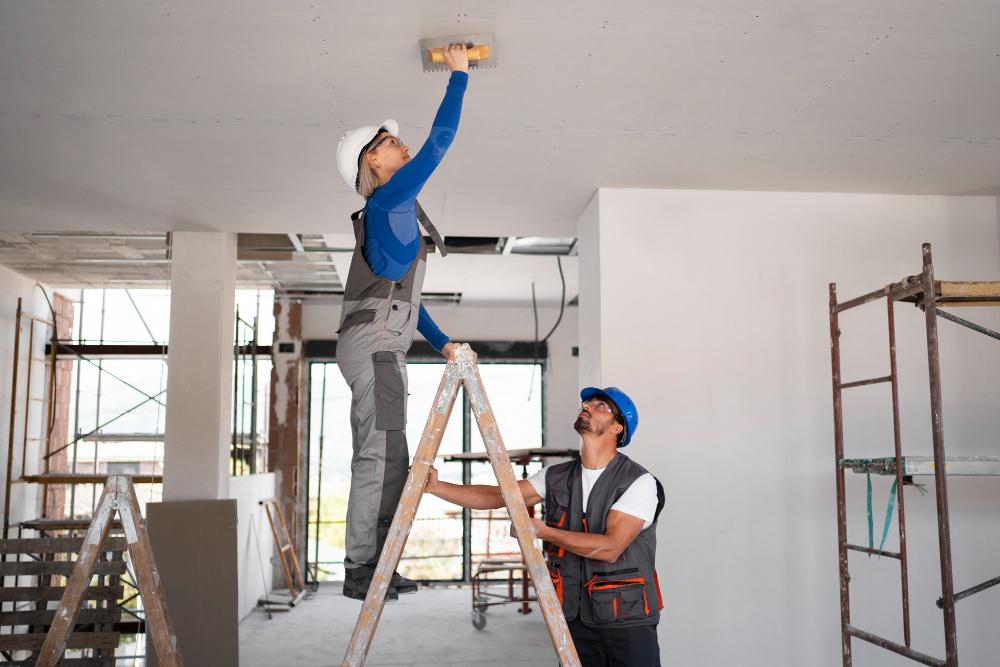
Homeowners today are increasingly looking for ways to make their homes more energy efficient — not just to reduce utility bills, but also to create healthier, more sustainable living spaces. Green remodeling, which focuses on improving energy performance and reducing environmental impact, has become one of the most popular approaches to modern home renovation.
Whether you’re planning a full-scale remodel or a few targeted updates, energy-efficient improvements can save you money, increase comfort, and boost your home’s value — all while helping the planet. Here’s how to make your next remodel greener and more energy efficient.
1. Start with an Energy Audit
Before making any changes, it’s important to understand where your home is wasting energy. An energy audit identifies inefficiencies such as poor insulation, air leaks, or outdated systems.
Why It Matters:
-
Helps you pinpoint problem areas.
-
Provides a roadmap for prioritizing improvements.
-
Ensures your remodeling efforts focus on the most cost-effective upgrades.
You can schedule a professional audit through your utility company or perform a DIY version using infrared thermometers and energy-monitoring tools. The insights you gain will help you plan your remodel strategically.
2. Upgrade Insulation and Seal Air Leaks
One of the simplest and most impactful ways to improve energy efficiency is by enhancing insulation. Heating and cooling account for nearly half of a home’s energy use, so proper insulation makes a big difference.
Energy-Saving Strategies:
-
Insulate attics, walls, and floors: Use eco-friendly insulation materials such as cellulose, recycled denim, or spray foam.
-
Seal gaps and cracks: Caulk windows, doors, and vents to prevent air leakage.
-
Add weatherstripping: Improve the seal around doors and windows to stop drafts.
Proper insulation not only lowers heating and cooling costs but also maintains a more consistent indoor temperature year-round.
3. Install Energy-Efficient Windows and Doors
Old windows and doors are common sources of energy loss. Replacing them with energy-efficient models helps regulate indoor temperature and reduce utility costs.
What to Look For:
-
Energy Star–rated windows: Designed to minimize heat transfer and UV penetration.
-
Double or triple glazing: Adds insulation and prevents drafts.
-
Low-emissivity (Low-E) coatings: Reflect heat back into your home during winter and keep it out during summer.
-
Proper installation: Even the best windows won’t perform well if installed incorrectly.
If new windows aren’t in your budget, consider window film, thermal curtains, or storm windows as affordable alternatives.
4. Upgrade to Energy-Efficient Appliances
Old appliances can consume far more energy than necessary. Upgrading to modern, energy-efficient models can significantly reduce your electricity and water usage.
Appliance Tips:
-
Energy Star–certified appliances: These use up to 50% less energy than standard models.
-
Front-loading washers and low-flow dishwashers: Save both energy and water.
-
Smart thermostats and connected devices: Allow precise control of heating, cooling, and appliance usage.
Although energy-efficient appliances may cost more upfront, they often pay for themselves within a few years through lower utility bills.
5. Improve Heating and Cooling Systems
Your HVAC system is one of the biggest contributors to energy consumption in the home. During a remodel, it’s worth upgrading or maintaining these systems for maximum efficiency.
Energy-Saving HVAC Strategies:
-
Install a programmable or smart thermostat: Adjusts temperature automatically when you’re away.
-
Upgrade to a high-efficiency HVAC unit: Look for systems with a high SEER (Seasonal Energy Efficiency Ratio) rating.
-
Clean and maintain ducts: Ensure airflow is smooth and unobstructed.
-
Add ceiling fans: Helps distribute air evenly, reducing heating and cooling demands.
Efficient heating and cooling systems keep your home comfortable while reducing long-term energy costs.
6. Choose Sustainable Materials
Green remodeling isn’t only about saving energy — it’s also about using eco-friendly, durable materials that minimize environmental impact.
Eco-Friendly Material Ideas:
-
Recycled or reclaimed wood: Perfect for flooring, cabinetry, or accent walls.
-
Bamboo and cork flooring: Renewable and highly durable alternatives to traditional hardwood.
-
Low-VOC paints and finishes: Improve indoor air quality by reducing harmful emissions.
-
Recycled glass countertops: Stylish, sustainable, and long-lasting.
Choosing sustainable materials helps reduce waste and promotes healthier indoor environments.
7. Optimize Lighting Efficiency
Lighting makes up about 10–15% of a typical household’s energy use. During a remodel, upgrading your lighting can deliver both aesthetic and financial benefits.
Lighting Upgrades:
-
Switch to LED bulbs: They last up to 25 times longer and use 75% less energy than incandescent bulbs.
-
Install dimmer switches: Adjust brightness to save energy and create ambiance.
-
Use motion sensors or timers: Automatically turn lights off when not needed.
-
Maximize natural light: Add skylights or larger windows to reduce daytime energy consumption.
Smart lighting solutions enhance comfort while keeping electricity bills low.
8. Install Water-Saving Fixtures
Conserving water is another key aspect of green remodeling. Efficient plumbing fixtures reduce waste while maintaining performance.
Water-Saving Tips:
-
Low-flow faucets and showerheads: Use less water without compromising pressure.
-
Dual-flush or high-efficiency toilets: Save thousands of gallons per year.
-
Tankless water heaters: Heat water on demand instead of storing it, reducing energy use.
-
Greywater systems: Recycle wastewater from sinks and showers for irrigation.
Upgrading to water-efficient systems not only lowers your bills but also reduces strain on local water resources.
9. Consider Renewable Energy Options
For homeowners committed to long-term sustainability, renewable energy sources are a game-changer. Solar and wind technologies are becoming more affordable and accessible than ever before.
Green Energy Ideas:
-
Solar panels: Generate clean, renewable electricity for your home.
-
Solar water heaters: Use the sun’s energy to heat your water efficiently.
-
Geothermal heating and cooling: Leverages the earth’s natural temperature for energy savings.
While renewable systems may have a higher initial cost, many states offer rebates, tax credits, or incentives to make them more affordable.
10. Enhance Landscaping for Energy Savings
Your yard plays a surprising role in home energy efficiency. Smart landscaping can help regulate your home’s temperature naturally.
Energy-Saving Landscaping Tips:
-
Plant shade trees: Reduce cooling costs by shading your home in summer.
-
Use native plants: Require less water and maintenance.
-
Install permeable pavers: Allow rainwater to soak into the ground, reducing runoff.
-
Add green roofs or walls: Improve insulation and air quality.
Sustainable landscaping not only boosts curb appeal but also contributes to long-term energy conservation.
11. Embrace Smart Home Technology
Smart home systems make managing your energy use easier and more efficient. From lighting to temperature control, these devices can automate and optimize your home’s energy performance.
Smart Upgrades to Consider:
-
Smart thermostats that learn your habits.
-
Automated lighting and blinds that adjust based on daylight.
-
Energy monitoring apps that track usage in real time.
These technologies help reduce waste and promote a more convenient, energy-efficient lifestyle.
Final Thoughts
Green remodeling is an investment that pays dividends — for your wallet, your comfort, and the planet. By upgrading insulation, windows, appliances, and lighting, and by choosing sustainable materials and smart technology, you can make your home more energy efficient and eco-friendly.
Sustainability doesn’t have to mean sacrificing style or comfort. With thoughtful planning and smart design choices, you can create a modern, efficient, and environmentally responsible home that stands the test of time.
Pacific Construction is a fully licensed general contractor in Millbrae, specializing in Home Remodeling, Kitchen Remodeling, and Bathroom Remodeling. We help homeowners design and build energy-efficient, eco-friendly spaces that enhance comfort and reduce environmental impact.