
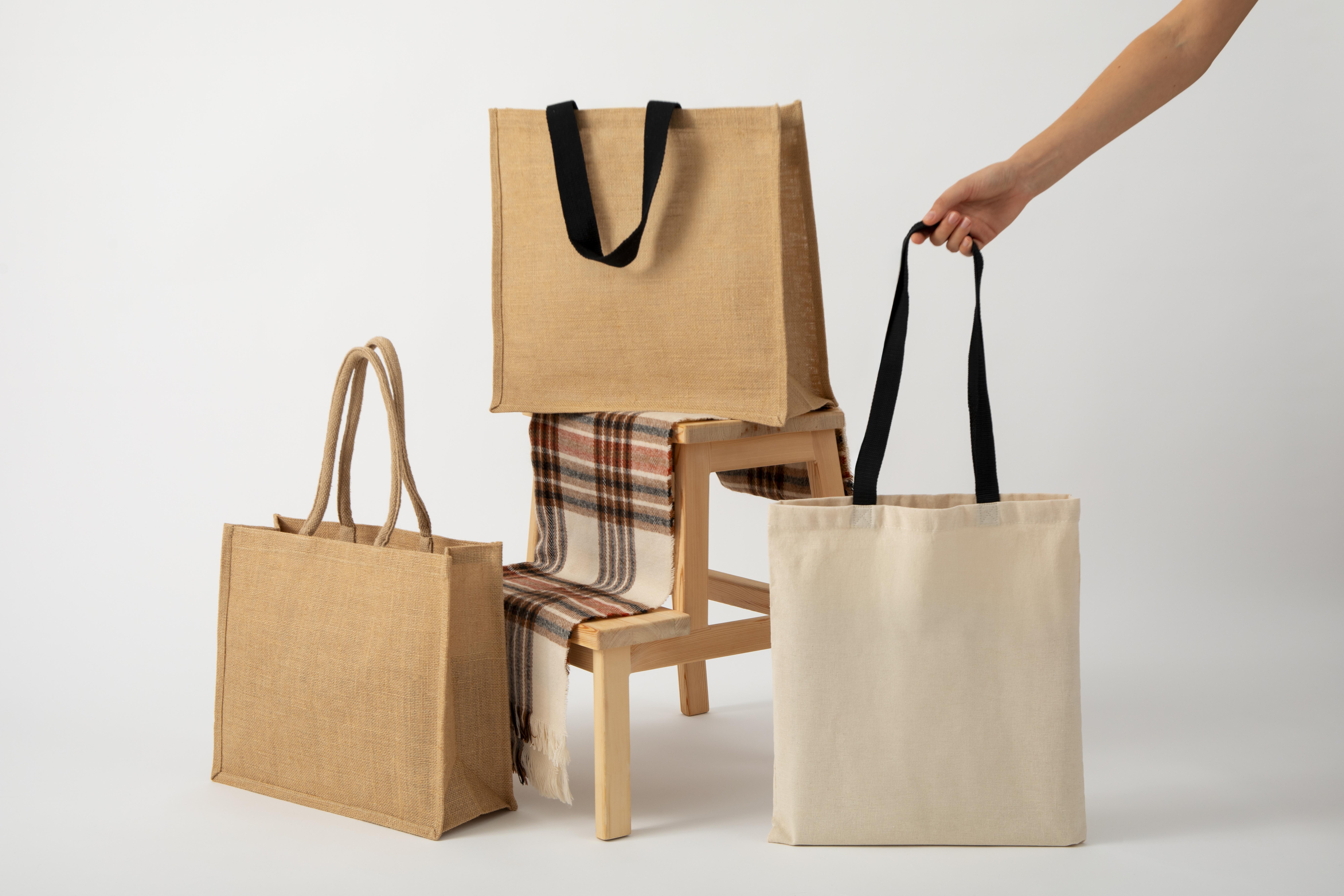
If you’ve been paying attention to what people carry through city streets, airports, co-working spaces, or even casual brunches, you’ve probably noticed the same thing I have—tote bags are everywhere. What started as a simple, sturdy alternative to plastic shopping bags has shifted into a full-blown cultural, fashion, and business phenomenon. And unlike many micro-trends that flame out quickly, the tote bag wave isn’t slowing down. Instead, it’s reinventing itself in ways that are surprisingly profitable for businesses, refreshing for consumers, and unexpectedly stylish for a basic canvas item.
But why now? And what makes tote bags such a powerful staple across demographics, industries, and lifestyles? Let’s unpack what’s new in the world of bulk tote bags and why this trend continues to expand in both creativity and commercial potential.
The Shift from Utility to Identity
Just a decade ago, a tote bag was something you got for free at a conference and then shoved into a drawer. Today, consumers treat totes as a kind of wearable identity badge. People choose bags that reflect their values, favorite brands, hobbies, aesthetics, and even moods. Minimalist black totes signal a sleek, functional lifestyle. Bright graphic totes communicate personality. Organic cotton totes appeal to the eco-conscious crowd.
This shift happened for a few interesting reasons:
1. Sustainability Awareness
Reusable bags rose sharply with the global movement toward reducing single-use plastics. Totes became the obvious choice—lightweight, durable, easy to clean, and visually expressive.
2. Casual Fashion Dominance
Fashion has leaned harder than ever into “elevated casual,” and totes slide perfectly into this direction. They don’t compete with an outfit; they complement it. Even high fashion brands embraced this idea, turning the humble tote into a designer statement piece.
3. Social Signaling
Consumers are more vocal about values and brand loyalty. A tote bag acts as a public display of support—whether it’s for a bookstore, a museum, a social cause, or a local brand.
What’s Trending in Tote Bag Design Right Now
Designers and manufacturers have stepped up their game, exploring styles far beyond the traditional flat canvas rectangle.
Oversized Utility Totes
Hyper-functional bags with inner pockets, zippers, bottle holders, and reinforced straps are taking over. People want something that works as well for grocery runs as it does for days at the office.
Textured and Premium Materials
Organic canvas remains the classic, but vegan leather, recycled plastics, heavy cotton twill, denim, and quilted fabrics are emerging as higher-end alternatives.
Bold Typography and Micro-Art
Minimal text-based designs are still wildly popular—phrases, quotes, book titles, and fictional branding. Meanwhile, small illustrative patterns are rising among creative consumers who prefer subtle artistry.
Locally Branded and Hyper-Specific Designs
Totes featuring neighborhoods, local cafés, indie shops, and niche communities deliver strong emotional appeal. They tell a story and build connection.
Why Businesses Are Rushing Toward the Tote Bag Economy
Companies are now treating tote bags as an essential marketing and merchandising tool rather than an afterthought. And here’s why:
High Usage = High Visibility
Unlike typical promo items that end up lost or unused, totes appear in public constantly. That means ongoing exposure for brands.
Cost-Effective to Produce and Customizable
Production costs remain low even as design flexibility increases. Whether it’s a luxury brand creating limited drops or a small shop ordering a modest batch, totes scale beautifully.
Appeal Across Every Age Group
Teens love graphic totes. Adults choose practical ones. Travelers want packable ones. Corporations hand them out for events. This universal appeal is rare and powerful.
Low Risk, High Margin
Retailers can offer totes as premium merchandise at a solid profit margin, especially when the design taps into cultural trends or emotional resonance.
The Surprising Role of Tote Bags in Consumer Psychology
The tote bag’s popularity is about more than convenience—it taps into how people want to feel and present themselves.
The Comfort of Flexibility
Unlike structured handbags, totes aren’t rigid. Their open shapes feel adaptable, easygoing, and non-restrictive. Consumers unconsciously associate them with comfort and freedom.
A Gentle Luxury
A tote may be inexpensive, but when it’s thoughtfully designed, it creates the same emotional satisfaction as buying a high-end accessory. It’s the small luxury effect—treating yourself in a practical way.
Belonging and Identity
Carrying a tote from a favorite store or brand signals community membership. Many consumers enjoy the micro-connection of recognizing a brand on someone else’s bag.
The Market Angle New Buyers and Sellers Should Notice
The tote bag market is expanding into multiple segments—fashion retail, corporate gifting, merchandise, eco-friendly goods, wholesale distribution, and even personalization services. Online sellers especially can take advantage of:
Limited Edition Drops
Scarcity increases perceived value. Brands release short-run designs that quickly sell out.
Collaborations with Artists
Indie illustrators and digital artists create unique tote designs that attract fans and elevate a brand’s creative reputation.
B2B Demand for Events and Corporate Culture
Companies want aesthetically pleasing swag, not the generic items of years past. Branded totes check the box for both practicality and appeal.
Custom Print-On-Demand Models
Designers don’t need inventory. They upload artwork, and orders print on demand—a low-risk, high-creativity model perfectly suited for modern small businesses.
Where Losses Happen and How Brands Can Avoid Them
With trends come mistakes. Some brands are jumping into the tote market without strategy, leading to unnecessary loss.
Here are the biggest pitfalls:
Overproduction
Brands order too much stock with designs that don’t resonate. The key is testing small batches first.
Poor Material Choices
Thin canvas, cheap stitching, or uncomfortable straps ruin the user experience. Even budget-friendly totes should feel sturdy.
Lack of Targeting
Not every consumer wants the same design. A bookstore, a coffee shop, and a tech startup need different aesthetics, tones, and printing methods.
Ignoring Market Shifts
Trends evolve quickly. What worked two years ago—borrowed vintage imagery, minimalist black-and-white—may need updating.
Avoiding these mistakes means approaching tote bags with the same thoughtful strategy used in any product category.
The Expanding Universe of Consumer Preferences
Today’s tote users fall into several categories:
The Function-First Buyer
This shopper wants durability, reinforced stitching, wide straps, and multiple compartments.
The Fashion-Forward Buyer
They treat the tote as a wardrobe accessory. Material, silhouette, and print matter more than capacity.
The Eco-Driven Buyer
Organic, recycled, or ethically produced materials are essential for this demographic.
The Collector
Totes from cafés, art museums, bookshops, festivals—they want unique memories, not generic branding.
Understanding these groups helps businesses create targeted offerings rather than one-size-fits-all designs.
The Future of Tote Bags A Mature Trend That Keeps Reinventing Itself
Interestingly, the tote bag’s evolution mirrors larger consumer trends: sustainability, self-expression, comfort, practicality, and aesthetic minimalism. Far from being a fad, tote bags now fall into the same category as sneakers or water bottles—objects that people collect, customize, and use daily.
Expect to see:
-
More tech-integrated features
-
Eco-innovations in fabric production
-
Cross-industry collaborations
-
Fashion designers experimenting with bold shapes and textures
-
Businesses offering personalized or location-based designs
The tote bag isn’t going away. It’s simply leveling up.
Final Thoughts on the Tote Bag Conversation
What’s fascinating about this trend is that everyone—from small sellers to major fashion houses—can participate. Whether it's offering simple designs or launching luxury limited editions, the tote bag has become a profitable tool for modern brands. Many companies have found impressive returns by selling bulk tote bags as part of their merchandising or promotional strategy, especially as consumers increasingly seek stylish, functional, and earth-friendly accessories.
And as the conversation grows, more shoppers want to understand the differences in styles and uses, leading to the frequently asked comparison of tote vs shopper bag types. While shoppers tend to be more structured, totes remain the champion of versatility, identity, and everyday comfort.