
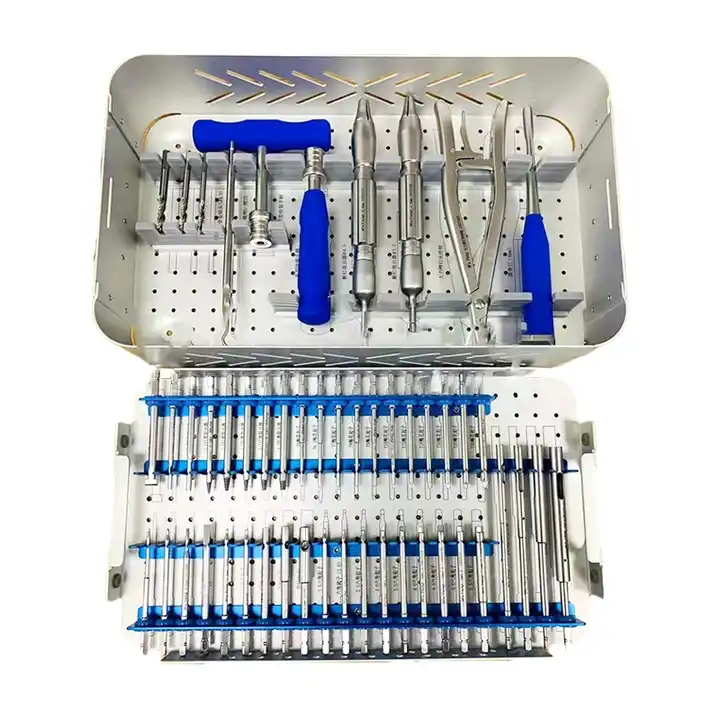
Orthopedic cerclage wire might not be something most people talk about every day, but in the medical world—especially in orthopedic surgery—it plays a huge role. This simple-looking device offers powerful support when bones need stabilization. Whether it’s a traumatic fracture or a corrective procedure, cerclage wire is often a key player in helping bones heal properly. Let’s take a deep dive into what it is, why it’s used, and why it remains so important in modern medicine.
Understanding Orthopedic Cerclage Wire
Definition and Purpose
Orthopedic cerclage wire is a metal wire used to encircle and stabilize fractured bones. It acts almost like a belt around a broken pole—holding everything in place so healing can occur naturally.
Role in Bone Fixation
Its primary job is to compress bone fragments together, preventing them from shifting out of place during recovery.
Why Surgeons Use Cerclage Wire
Surgeons appreciate its simplicity, strength, and ability to complement other fixation devices such as plates, nails, and screws.
History and Evolution of Cerclage Wire
Early Orthopedic Fixation Techniques
Before modern implants, surgeons used wires and external splints to stabilize bones. These early methods paved the way for more refined techniques.
Evolution to Modern Cerclage Methods
As surgical practices advanced, cerclage wiring became more precise, efficient, and safer.
Improved Materials and Performance
Today’s wires are stronger, more flexible, and more biocompatible, allowing better surgical outcomes.
Types of Orthopedic Cerclage Wire
Stainless Steel Cerclage Wire
Strong, durable, and widely used. Stainless steel provides excellent tensile strength.
Titanium Cerclage Wire
Lightweight, corrosion-resistant, and highly biocompatible—ideal for sensitive patients.
Cable Cerclage Systems
These systems use braided cables with crimping devices, offering superior flexibility and strength.
Absorbable Cerclage Materials
Designed to gradually dissolve in the body, reducing the need for implant removal.
When Cerclage Wire Is Used
Long Bone Fractures
Femur, tibia, and humerus fractures often benefit from cerclage support.
Periprosthetic Fractures
These occur around joint replacements, where additional stability is essential.
Osteotomies
During bone-cutting procedures, cerclage wire helps maintain alignment.
Fragment Reconstruction
Small bone fragments that cannot be fixed with screws often respond well to cerclage stabilization.
How Cerclage Wire Works
Compression Mechanics
By tightening the wire around bone, surgeons generate compression, which enhances stability.
Stabilization of Bone Fragments
The wire prevents rotational and shear movement, promoting more predictable healing.
Enhancement of Other Fixation Systems
Cerclage wire isn’t always used alone—it often supports plates or nails for added strength.
Surgical Techniques and Application
Open Cerclage Technique
The surgeon directly exposes the bone and applies the wire manually.
Minimally Invasive Cerclage Technique
This method reduces soft tissue damage by applying the wire through small incisions.
Tensioning Methods
Proper tension is crucial to avoid loosening or over-compression.
Common Surgical Tools Used
Wire passers, tensioners, crimping devices, and cutters are essential in the process.
Benefits of Cerclage Wire
Strength and Stability
It offers immediate structural support and helps prevent fragment movement.
Versatility
Useful in trauma, reconstructive surgery, and joint replacement procedures.
Cost-Effectiveness
A reliable and affordable option compared to more complex implants.
Compatibility with Other Implants
Works seamlessly with plates, rods, and screws.
Challenges and Risks
Potential for Bone Damage
If tightened excessively, the wire can cut into bone.
Risk of Wire Breakage
Though rare, repeated stress can weaken the wire.
Soft Tissue Concerns
Improper placement may irritate surrounding tissues.
Possible Need for Removal
If discomfort or complications arise, the wire may need to be surgically removed.
Choosing the Right Cerclage Wire
Material Selection
Titanium for high biocompatibility, stainless steel for strength.
Diameter Considerations
Thicker wires withstand more force but may be harder to manipulate.
Application Requirements
Fracture location and severity determine which type of wire is ideal.
How Advancements Are Improving Cerclage Wire
Better Materials
Manufacturers now use advanced alloys for improved durability.
Improved Tensioning Tools
Modern tools make application more precise and safer.
Hybrid Fixation Systems
Combining cerclage wire with other fixation techniques increases overall stability.
Best Practices for Handling Cerclage Wire
Proper Sterile Technique
Avoid contamination by maintaining perfect sterility.
Ensuring Adequate Tension
Not too loose, not too tight—the balance ensures effective healing.
Preventing Slippage and Loosening
Correct placement reduces the chances of complications.
Applications in Veterinary Orthopedics
Small Animal Fracture Fixation
Dogs and cats with long bone fractures benefit from cerclage support.
Large Animal Applications
Horses and livestock also require cerclage stabilization for certain injuries.
Future of Cerclage Fixation
New Technologies
Bioactive coatings, smart alloys, and improved designs are on the horizon.
Trends in Orthopedic Surgery
A shift toward minimally invasive solutions boosts the demand for advanced cerclage systems.
Conclusion
Orthopedic cerclage wire may seem simple, but its role in bone repair is incredibly significant. From stabilizing complex fractures to supporting major reconstruction surgeries, cerclage wire continues to be a reliable and versatile tool in orthopedics. With ongoing innovations improving its safety and effectiveness, it remains a staple in both human and veterinary surgery.
FAQs
- What is orthopedic cerclage wire used for?
It stabilizes bone fragments in fractures and helps maintain alignment during healing. - Which material is best for cerclage wire?
Titanium offers excellent biocompatibility, while stainless steel provides high strength. - Can cerclage wire break?
Yes, but modern materials make breakage rare when applied correctly. - Does cerclage wire need to be removed?
Only if it causes discomfort or complications. - Is cerclage wire used in veterinary surgery?
Absolutely—it's widely used in both small and large animal orthopedics.