
Ambulation aids are some of the simplest yet most life-changing tools for people who need help walking safely. Whether the need comes from an injury, post-surgery recovery, chronic joint issues, or age-related changes, the right support can restore confidence and reduce the risk of falls. Selecting the right aid isn’t about following trends or complicated technology—it’s about understanding your body, your movement patterns, and what makes you feel stable and secure.
Bodyassist offers a wide range of practical supports that people use every day, but choosing the right item still depends on your specific needs. This guide breaks down the most common ambulation aids, how they work, and what to consider when picking the best one for daily use.
Understanding What Ambulation Aids Do
Ambulation aids are designed to improve balance, redistribute weight, ease pressure on painful joints, and provide a sense of safety while walking. They are commonly used in situations like:
-
Recovery after surgery
-
Arthritis-related discomfort
-
Muscle weakness
-
Balance problems
-
Injuries to the knee, ankle, or hip
-
Neurological conditions that affect movement
These aids don’t replace proper medical advice, but they make everyday tasks—like walking to the mailbox or moving around the house—easier and more secure.
Types of Ambulation Aids and Who They Help
Choosing the right device starts with understanding the different types available. Each aid supports the body in a unique way, and using the wrong one may create more strain instead of relief.
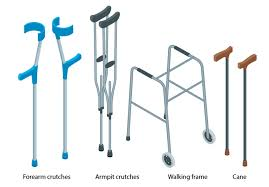
1. Canes
Canes are often the first step for people who need only mild support. They help improve balance and reduce stress on one side of the body.
Best for:
-
Minor balance issues
-
Mild knee, ankle, or hip pain
-
Early rehabilitation after leg injuries
Things to consider:
-
The height should match your wrist level when your arm is relaxed.
-
The cane should feel sturdy and provide comfortable grip.
2. Crutches
Crutches shift weight completely off one leg, allowing healing without pressure. They require upper-body strength and good coordination.
Best for:
-
Foot, ankle, or lower-leg fractures
-
Postoperative recovery
-
Severe sprains
Things to consider:
-
Crutches must be sized correctly to avoid shoulder or wrist pain.
-
Using them incorrectly can lead to nerve irritation.
3. Walkers
Walkers provide the highest level of stability and balance support. They allow a slow, steady pace for people who cannot safely rely on their legs without assistance.
Best for:
-
Post-surgery recovery (hip or knee)
-
Elderly individuals with balance concerns
-
People with neurological conditions
Types:
-
Standard walker: lifted with each step
-
Wheeled walker: easier to maneuver
-
Rollator: includes wheels, brakes, and a seat for resting
4. Wheelchairs and Mobility Scooters
These aids are used when walking is unsafe or extremely difficult. While they aren’t “ambulation” devices in the traditional sense, they support mobility and independence.
Best for:
-
Severe injuries
-
Progressive disorders
-
Long-term mobility challenges
Accessories That Support Safe Walking
Ambulation support goes beyond canes and walkers. Sometimes the small additions make the biggest difference—especially when they target pain or weakness that affects the way you walk.
Heel Pad Shoe Inserts
Foot pain can quickly limit how far or how comfortably you walk. Heel pad shoe inserts help absorb shock, reduce pressure on the heel, and support better alignment. This can improve your walking pattern and reduce strain on your knees and back.
Best for:
-
Plantar fasciitis
-
Heel spurs
-
General foot fatigue
-
Flat feet or high arches
For many people, adding heel pads can make walking with a cane or walker much more comfortable.
Knee Support Brace
A knee support brace stabilizes the joint, helps control movement, and provides gentle compression to reduce pain. When knee pain is the main reason for needing an ambulation aid, the right brace can make walking smoother and more stable.
Best for:
-
Osteoarthritis
-
Ligament injuries
-
Weakness after surgery
-
Strain from overuse
A brace is often used alongside canes or walkers to reduce pressure on the joint and prevent sudden pain or buckling.
How to Choose the Right Ambulation Aid
Picking the right aid shouldn’t feel overwhelming. Here are simple considerations to guide your decision:
1. Understand Your Level of Support Needs
Ask yourself:
-
Do you need mild balance help or full weight relief?
-
Is your condition temporary or long-term?
-
Do you experience sudden weakness, or is it constant?
A physical therapist can also help assess which device fits your body mechanics.
2. Focus on Comfort and Fit
Even the best devices fail if they don’t fit your height or strength level. Proper fit includes:
-
Correct handle height
-
Stable grip
-
Appropriate frame width
-
Support that feels natural and not forced
Heel pad shoe inserts and knee support braces should also be chosen based on accurate sizing.
3. Think About Your Daily Environment
Your choice might depend on:
-
Whether your home has stairs
-
Outdoor vs indoor use
-
Tight hallways
-
Flooring type (carpet, tile, wood)
A rollator might be ideal outdoors, while a standard walker works better indoors.
4. Prioritize Safety Over Speed
Using an ambulation aid is about moving safely—not quickly. Take time to practice correct posture, slow steps, and proper use of your device.
When to Consider Additional Supports
Sometimes mobility aids aren’t enough on their own. If you still feel unstable, tired, or in pain after walking, additional supports such as knee braces or foot inserts can fill in the gaps. Bodyassist offers these kinds of wearable supports that help reduce stress on your joints and keep you moving more comfortably.
Final Thoughts
The right ambulation aid can make daily movement more manageable and far safer. From simple canes to advanced walkers, these tools help distribute weight, reduce pain, and improve confidence with every step. Pairing them with supportive accessories like heel pad shoe inserts or a knee support brace can enhance comfort and reduce strain on your joints.
Mobility isn’t just about getting from one place to another—it’s about maintaining independence and feeling secure while doing so. With the right ambulation aid and the proper fit, you can move through your day with steadier steps and greater peace of mind.