
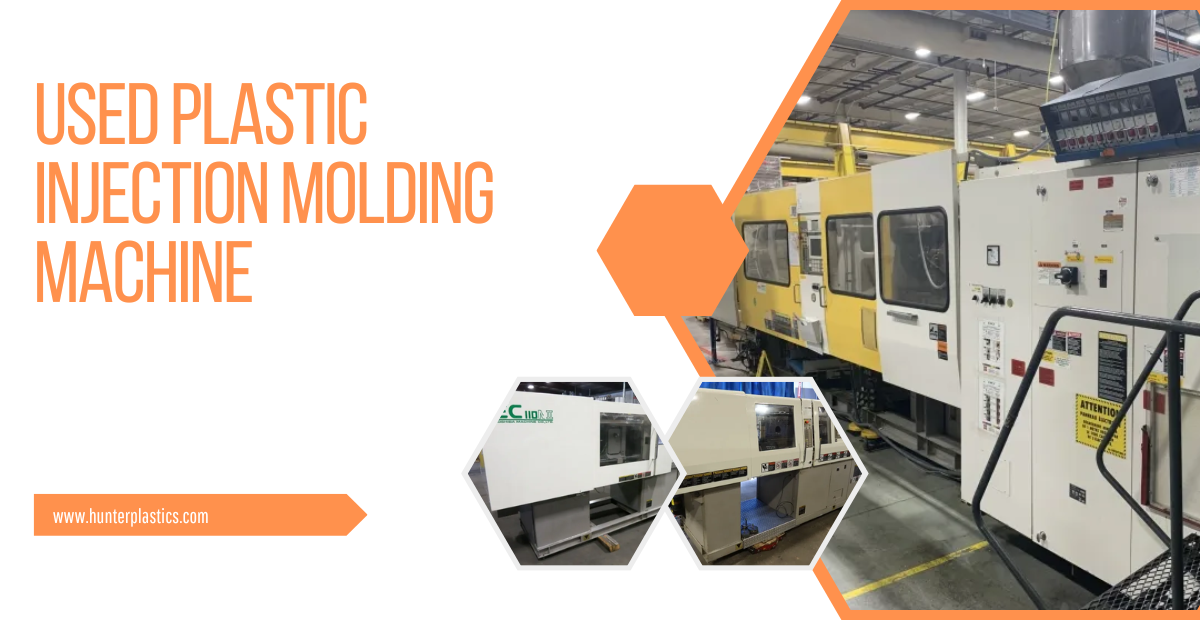
The automotive industry is one of the most demanding manufacturing sectors in the world. Every component must meet strict standards for durability, safety, precision, and cost-efficiency. To achieve this level of consistency, manufacturers rely heavily on injection molding, a process that has transformed the way vehicle parts are produced.
Today, plastic injection molding machines for automotive industry applications play an essential role in creating lightweight, high-performance components that improve vehicle efficiency and reduce production costs. But how exactly does injection molding power the automotive world? Let’s take a deep dive.
1. High Precision and Consistency for Mass Production
Automotive parts require exact specifications. A minor deviation can affect assembly, performance, or safety.
Injection molding delivers:
- Extremely tight tolerances
- Repeatable production quality
- Uniform component structure
- Precise part replication at high volumes
This makes it ideal for producing millions of identical automotive components with near-zero defects.
Common precision-molded automotive parts include:
- Dashboards
- Interior panels
- Grilles
- Headlamp housings
- Emblems and trim components
2. Lightweight Parts for Better Fuel Efficiency
Modern vehicles rely heavily on lightweight materials to meet environmental regulations and performance demands.
Injection molding supports this by enabling:
- Use of engineering-grade plastics
- Replacement of heavy metal parts with lighter polymer alternatives
- Improved aerodynamics and fuel economy
Materials like ABS, polypropylene, nylon, and polycarbonate are commonly used for high-strength automotive applications.
3. Freedom in Design & Customization
Design flexibility is one of the biggest advantages of injection molding in the automotive sector. Unlike metal stamping or fabrication, plastic can be molded into complex shapes with ease.
Benefits include:
- Complex geometries
- Flexible wall thickness
- Integration of multiple functions into one part
- Custom textures and colors
- Aesthetic enhancements
This versatility helps automotive designers create visually appealing and functional parts at scale.
4. Cost-Effective Manufacturing
Another reason why automotive companies prefer plastic injection molding machines for automotive industry production is cost efficiency.
Injection molding reduces costs by:
- Minimizing material waste
- Enabling high-volume manufacturing
- Reducing manual labor
- Supporting automated production lines
- Lowering energy consumption compared to metal processes
The initial mold cost is offset by low per-unit production expenses, making it ideal for large-scale automotive manufacturing.
5. Durability and Safety
Automotive components must withstand:
- Heat
- Vibration
- Pressure
- Impact
- Long-term wear
High-performance plastics and engineered resin blends offer outstanding strength, corrosion resistance, and thermal stability. Injection-molded automotive parts often match or exceed the reliability of metal components while being lighter and easier to produce.
Common durability-centric parts include:
- Bumpers
- Airbags housings
- Under-the-hood components
- Fuse boxes
- Engine covers
- Faster Production Cycles
Automotive manufacturing relies on speed and efficiency. Injection molding supports rapid production through:
- Automated workflows
- Quick cycle times
- Efficient cooling systems
- Multi-cavity molds (multiple parts in one cycle)
This helps manufacturers meet tight deadlines and handle large production volumes without compromising quality.
7. Sustainable Manufacturing
Sustainability is an increasing priority. Injection molding enables:
- Use of recycled plastics
- Reduced carbon emissions
- Minimal material waste
- Recyclable end-products
As more automakers push toward eco-friendly manufacturing, injection molding provides a reliable, sustainable solution.
Conclusion
Injection molding is the backbone of modern automotive manufacturing. From interior components to engine parts, the industry depends on the precision, speed, durability, and cost efficiency of plastic injection molding machines for automotive industry production.
With rising demand for lightweight vehicles, advanced design flexibility, and sustainability, injection molding will continue to power the future of automotive innovation.