
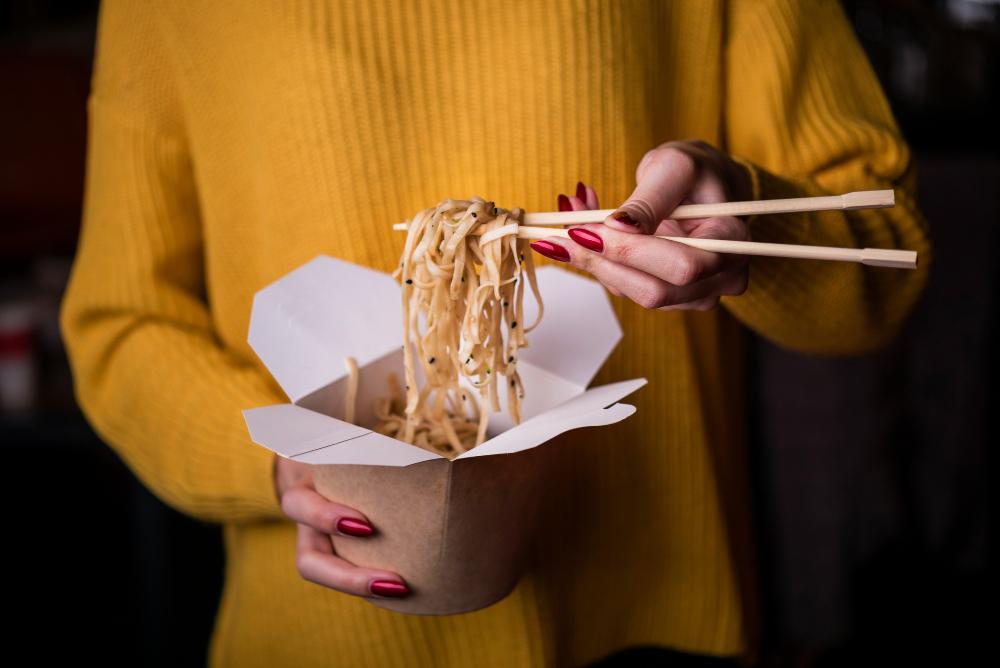
When it comes to packaging food, especially something as delicate and often messy as noodles, the container's design is crucial. Whether you're buying instant noodles or a pasta, a well-designed noodle box can mean the difference between a tidy meal and a messy kitchen.
Let’s explore the key design elements that help keep noodle boxes secure, clean, and user-friendly.
Why Proper Packaging Matters for Noodles?
Noodles can be tricky to pack. Depending on the type: dry, fresh, or precooked, they can shift, break, or spill easily during transport or storage. A good noodle box doesn’t just hold the product; it also protects it and enhances the overall consumer experience.
Proper packaging ensures:
- Product integrity: Keeping noodles intact and free from breakage.
- Hygiene: Preventing contamination from external elements.
- Convenience: Making it easy to store, serve, and dispose of.
- Portability: Allowing the product to be carried without making a mess.
All of these are achieved through thoughtful, well-executed design features.
How Paper Noodle Boxes Keep Liquids from Leaking?
One-Piece Construction and Tight Folding Geometry
Most classic noodle boxes start as a single, flat sheet of paperboard that’s cut, creased, and then folded into shape. That “one-piece” approach is more than a manufacturing convenience; it’s a core reason these containers resist spilling. With a one-piece design, there are fewer joints and glued seams. Every additional seam is a potential weak spot where sauce can escape.
The folding geometry matters just as much as the single sheet. Those angled sides and tucked-in corners aren’t random; they’re set so the paperboard panels push against each other. When you open up a flat noodle pack and see the box “pop” into shape cleanly, that’s the result of precise creasing and scoring. Tighter folds create more tension between panels, which helps close gaps at corners and edges where liquid might otherwise seep out.
Leak-Resistant Linings and Grease Barriers
Paper can also soften, warp, and eventually allow sauces to travel through its fibers. To stop that, noodle boxes usually rely on a thin internal lining or coating that adds a barrier between the food and the paper.
In many designs, this is a water-resistant barrier applied to the inside surface. It’s not about making the box indestructible; it’s about slowing down how quickly liquid and oil can reach the paper core. The coating keeps broths, soy sauce, and oily stir-fries from soaking straight into the fibers in the first minutes or hours after serving.
Lid and Closure Details That Stop Spills in Transit
Interlocking Flaps and Locking Tabs
The closure system is an important part of the noodle box. Those four flaps at the top don’t just “close” the box; they interlock in a sequence designed to reduce both drips and accidental openings.
Most styles follow a set pattern: two opposite flaps fold in first, then the other two fold over them, often with one flap tucking into a slit or slot. That final tuck acts like a built-in lock, holding the lid in place without extra tape or bands. When the lid is locked like this, it’s far less likely to pop open in a delivery bag or be carried in one hand.
This overlapping does two things:
- Reduces splashing from the top when the box is tilted or shaken.
- Improves insulation slightly, helping keep the food warm.
Height, Shape, and Sturdy Base for Stability
Spill prevention isn’t only about plugging holes; it’s also about avoiding situations where the box tips or collapses. That’s where height, shape, and base design come in.
Noodle boxes tend to be taller than many other takeaway containers. This taller profile gives the dish room to “settle” downward, keeping the food's top surface lower than the rim once the lid is closed. If you carry the box slightly tilted, a taller wall gives you a greater safety margin before the sauces reach the top.
The slightly tapered shape, wider at the top and narrower at the base, isn’t just a visual style. This form lets boxes nest efficiently when stored flat, but when opened, it also provides a stable footprint. The wide top, meanwhile, makes filling and eating easier.
Material thickness also plays a quiet but decisive role. Paperboard that’s too thin may flex and distort under weight, opening gaps at the corners. A slightly heavier grade keeps the structure maintained and supports the folding system that keeps everything sealed.
Best Practices for Packing and Carrying Boxes Noodle Safely
Even the best-engineered packaging works in partnership with how it’s used. Restaurants and customers both play a role in keeping noodle dishes where they belong.
For kitchens, the filling level is crucial. Most paper noodle boxes are not meant to be filled with broth. Leaving a little headspace at the top gives room for spilling around, especially during delivery.
The way food is layered also matters. Thick noodles or rice at the bottom with more liquid-rich sauces on top can help keep the center of gravity low and reduce the amount of free-moving liquid at the base. That small change can mean the difference between a clean bag and a messy one.
When catering or sending multiple boxes of noodle orders together, the stacking and bagging technique counts. Many businesses use extra trays to keep boxes from tipping as they’re moved.
For customers, a few simple habits help:
- Carry the bag from the top center so it hangs straight and doesn’t swing wildly.
- Avoid squeezing the sides of the box when it’s very full or very hot, as that can momentarily open tiny gaps at the top.
- If transporting by car, place the bag on a level surface, such as the floor, rather than on a seat where it can slide.
Combined with innovative design, these everyday practices make paper-based noodle boxes reliable, even for long journeys across town.
To Sum Up!
Paper noodle boxes may look modest, but there’s a lot of quiet engineering built into every fold and flap. One-piece construction, tight corner gussets, inner barrier coatings, interlocking lids, stable bases, and thoughtful venting all work together to keep hot, saucy dishes contained.
For food businesses choosing box noodle packaging, paying attention to these design details pays off: fewer leaks, happier customers, and fewer complaints about damaged orders.
The next time you pop open a steaming paper noodle box, you’ll know that its simple appearance hides a carefully designed system, all aimed at doing one job well: getting your food from kitchen to table without spilling a drop.
FAQs
Why are most noodle boxes made of paperboard instead of plastic?
Paperboard is easy to print on, handles folding well, and provides good insulation against heat. It can be combined with thin barrier coatings to hold liquids without needing a thick plastic shell.
Can paper noodle boxes really hold very soupy dishes without leaking?
They can hold saucy or semi-soupy dishes for a typical takeaway or delivery window, as long as they’re well-designed and not overfilled. Extremely thin, watery broths left for many hours might eventually break through.
Why do some noodle boxes have tiny gaps near the lid? Doesn’t that cause leaks?
Those small gaps often act as steam vents. They allow hot steam to escape so pressure doesn’t build and pop the lid open. As long as the filling level is sensible and the box stays upright, these vents help prevent big spills rather than causing them.
Do noodle boxes affect the taste of the noodles?
High-quality noodle boxes are made with materials that prevent flavor absorption or moisture loss, helping preserve the taste and texture of the noodles until they’re ready to eat.