
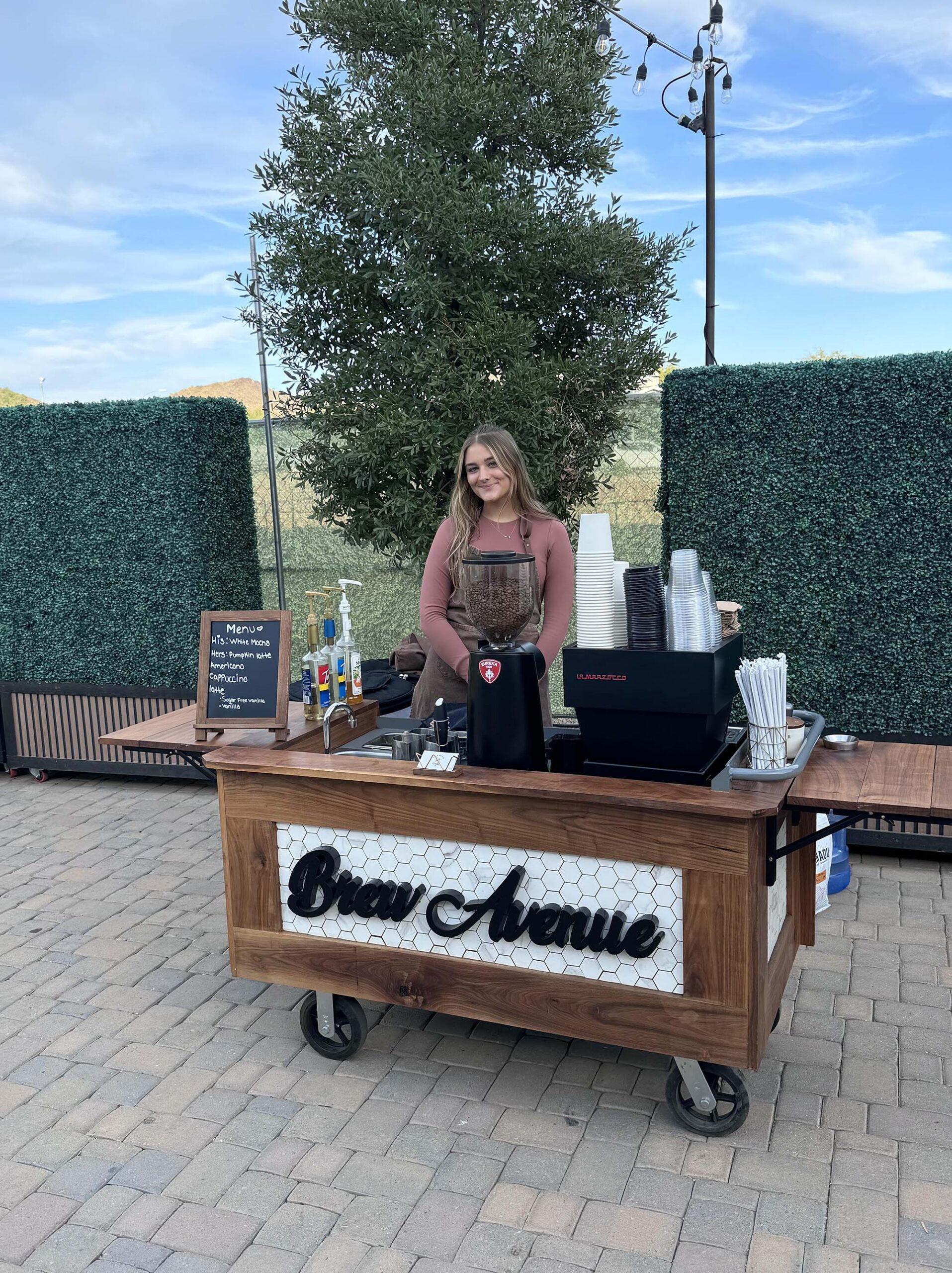
Launching a mobile coffee business is an exciting venture, especially in a vibrant market like Arizona. One of the most critical early decisions you'll make is how to power your espresso machine, grinder, and other essential equipment. This choice, between electric and gas power, impacts everything from your daily operations and costs to your brand's environmental footprint. A top-tier coffee catering service is built on reliability and quality, and that starts with a dependable power source. For entrepreneurs at Brew Avenue Coffee, located in Phoenix, Arizona, United States, selecting the right system is the key to serving exceptional coffee at every event, from downtown business parties to public festivals.
The Core of the Choice: How Each System Works
Before weighing the pros and cons, it's helpful to understand the basic setup of each option.
-
The Electric Pathway: Modern mobile electric systems typically use a lithium battery bank paired with a power inverter. This setup stores energy that you can charge from the grid (like at home or a commissary), and increasingly, from solar panels mounted on your cart or trailer. The inverter converts the stored DC battery power into the AC power needed to run commercial coffee equipment quietly and without emissions.
-
The Gas Pathway: This path usually involves a fuel-powered generator (gasoline or diesel) or a propane-powered espresso machine. Generators create power by burning fuel, which then runs electric appliances. A dedicated propane espresso machine uses gas burners to heat the water directly, eliminating the need for a large generator but often requiring a supplemental battery for items like grinders and lighting.
Weighing Your Options: A Side-by-Side Comparison
Your choice will shape your business's day-to-day reality. The table below breaks down the key factors to consider.
| Feature | Electric (Battery/Solar) | Gas (Generator/Propane) |
|---|---|---|
| Operational Noise & Customer Experience | Virtually silent. Creates a peaceful, premium environment ideal for corporate events, weddings, or quiet neighborhoods. | Loud. Generators create significant noise and exhaust fumes, which can be a nuisance and are sometimes banned at certain venues. |
| Environmental Impact & Brand Image | Zero on-site emissions. Ideal for attracting eco-conscious clients and complying with green event policies. Impact depends on grid energy source. | Produces emissions. Generators emit pollutants and greenhouse gases. Propane burns cleaner than gasoline but still produces carbon monoxide, requiring safety vigilance. |
| Operational Flexibility & Convenience | High flexibility, with planning. No need to carry or refuel gasoline. Requires careful energy budgeting and access to charging. | Immediate, "unlimited" power. You can refuel and run all day, but requires hauling fuel cans, maintenance, and dealing with fuel odors. |
| Upfront & Long-Term Costs | Higher initial investment for quality batteries, inverter, and often solar panels. | Lower startup cost for a basic generator. |
| Lower ongoing "fuel" cost, especially with solar. Minimal maintenance. | Continuous fuel costs. Higher maintenance needs (oil changes, spark plugs, etc.) add up over time. | |
| Performance & Recovery | Dependent on system sizing. A properly sized system runs equipment well, but recovery time between shots can be a factor with high volume. | Consistent, powerful heat. Generators provide steady power. Propane machines can have longer heat recovery times between shots. |
The Arizona Advantage: Local Considerations for Your Power Decision
Operating in Phoenix and the wider Arizona market presents unique opportunities that can influence your power choice.
The state's abundant sunshine makes solar-charged electric systems exceptionally practical and cost-effective over time. Furthermore, Arizona's booming event scene—from corporate gatherings in Scottsdale to large public festivals—often values quiet, clean operations, giving electric carts a competitive edge. However, if your business model targets high-volume, all-day events like farmers' markets or roadside stops where maximum power and quick refueling are critical, the reliability of gas might be initially appealing.
Making the Right Choice for Your Business
Your decision should align with your business model, values, and budget.
-
Choose an Electric System if: Your brand prioritizes sustainability and a premium, quiet customer experience. You primarily attend events where noise is restricted, and you have the capital for a higher initial investment with the goal of lower long-term costs.
-
Choose a Gas System if: Your primary need is the lowest possible startup cost and you require the assurance of "unlimited" power for long, high-volume days without concern for charging. You are comfortable with the noise, maintenance, and operational logistics of handling fuel.
For many, a hybrid approach is worth considering: using a large battery bank for most operations with a small, quiet backup generator for exceptional circumstances. This offers a balance of clean operation with peace of mind.
Conclusion: Powering More Than Just a Machine
The decision between electric and gas power is more than a technical one; it's a foundational business strategy. It affects your operational costs, your marketability, and the daily experience you provide. By carefully weighing the factors of noise, sustainability, cost, and local market fit, you can invest in a system that not only runs your espresso machine but also propels your mobile coffee business toward long-term success. For a service like Brew Avenue Coffee, committed to quality and community in Phoenix, this choice is the first step in brewing a remarkable reputation.
Frequently Asked Questions
1. How do I calculate what size battery system I need for an electric cart?
You need to calculate your total daily energy consumption in watt-hours (Wh). List each appliance (espresso machine, grinder, fridge, lights), note its power rating in watts (W), and estimate how many hours you'll use it in a day. Multiply the watts by the hours for each item, then add them all up. For example, a 1000W grinder used for 30 minutes (0.5 hours) consumes 500Wh. A reputable power solutions specialist can help you with this critical calculation.
2. What are the key permits I need for a mobile coffee cart in Arizona?
Licensing is multi-layered. You will need a state Transaction Privilege Tax (TPT) License from the Arizona Department of Revenue. A County Health Permit is mandatory and requires a commissary agreement with a licensed kitchen for cleaning and storage. You also need a City Business or Mobile Vendor License from each city you operate in (e.g., Phoenix, Tucson, Mesa). If using gas cooking equipment, a Fire Inspection Certificate is required. All staff must obtain an Arizona Food Handler Card.
3. Is a mobile coffee business profitable in Arizona?
Yes, it can be highly profitable due to strong demand, lower startup costs compared to a brick-and-mortar cafe, and exceptional flexibility. Success depends on your concept, location strategy, managing operational challenges like weather and inventory, and outperforming competition from both chains and other mobile businesses. A clear business plan is essential.
4. Can I use a residential generator for my coffee cart?
It's not recommended. Residential generators are not built for the daily, heavy-duty use and vibration of a mobile business. You need a commercial-grade, inverter generator designed for reliable, continuous power output to protect your sensitive and expensive coffee equipment.