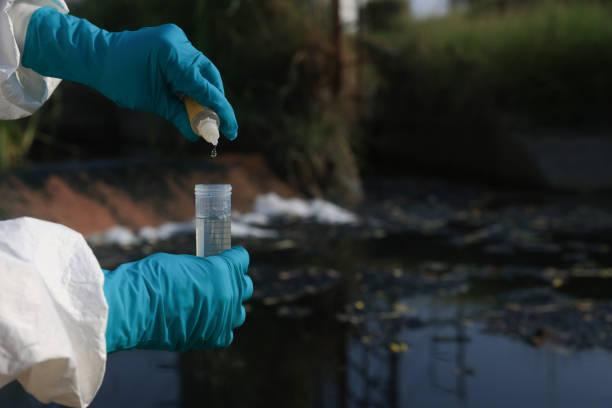
Chemical methods are the backbone of efficient water treatment, addressing pollutants that physical or biological methods struggle to remove. Coagulation and sedimentation, a foundational process, uses coagulants to clump tiny particles into settleable flocs, drastically reducing turbidity. Disinfection chemicals eliminate harmful microorganisms, preventing disease transmission—critical for drinking water safety. Oxidation-reduction reactions alter pollutant chemistry, making heavy metals and organic compounds easier to remove. Adsorption with activated carbon, a chemical-physical hybrid, targets odors, colors, and residual chemicals. pH adjustment optimizes reaction conditions: acidic water may need lime to neutralize corrosion, while alkaline water benefits from sulfuric acid. These methods complement each other—for example, coagulation precedes filtration to reduce filter clogging, and disinfection follows to ensure final safety. Chemical treatments are cost-effective, scalable, and adaptable to diverse water sources, from surface water to industrial wastewater. Without them, achieving high-quality treated water would be impractical or prohibitively expensive. Click here to know more.
