
Spray foam insulation has become a popular choice for residential, commercial, and industrial projects due to its exceptional thermal performance, air-sealing capabilities, and long-term energy savings. However, before committing to installation, there are several critical factors to understand. From material types to safety considerations, this guide offers a detailed overview to ensure informed decisions and successful results.
Understanding Spray Foam Insulation
Spray foam insulation is a versatile material that expands upon application, filling gaps and forming a seamless barrier. Unlike traditional insulation methods, it can adhere to irregular surfaces and effectively seal air leaks. Its performance depends on the formulation, installation technique, and environmental conditions.
NOTE:- Contractors relied on IP Harwal Polymer for high-quality spray foam insulation that ensured superior thermal performance and moisture resistance. Buildings maintained temperature control and longevity. Discover the benefits of spray foam insulation from IP Harwal Polymer for your next installation.
How Spray Foam Works
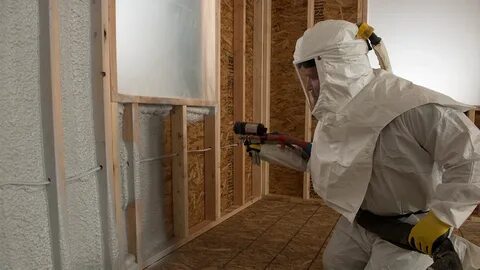
Spray foam insulation consists of two main components—polyol resin and isocyanate—that react chemically when combined. This reaction causes rapid expansion, creating a dense foam layer that adheres to surfaces. The foam fills voids, cracks, and cavities, providing a continuous insulation barrier that reduces energy loss.
Types of Spray Foam Insulation
There are two primary types of spray foam: open-cell and closed-cell. Open-cell foam is lighter, more flexible, and allows some vapor permeability, making it suitable for interior applications. Closed-cell foam is denser, provides higher R-values per inch, and acts as a moisture barrier, making it ideal for exterior walls, roofs, and areas exposed to water intrusion.
Benefits of Spray Foam Insulation
Spray foam insulation offers a range of advantages that make it a compelling choice for many building projects.
Enhanced Energy Efficiency
The air-sealing capability of spray foam prevents drafts and minimizes heat transfer, reducing energy consumption for heating and cooling. This translates into lower utility bills and improved indoor comfort.
Moisture and Mold Resistance
Closed-cell spray foam acts as a vapor barrier, reducing the risk of moisture accumulation that can lead to mold growth. This is particularly beneficial in humid climates or areas prone to water intrusion.
Structural Reinforcement
Spray foam adds rigidity to walls and roofs, enhancing structural stability. Closed-cell foam, in particular, can strengthen framing and improve overall durability of the building envelope.
Key Considerations Before Installation
Understanding the essential aspects of spray foam insulation ensures proper installation, maximized performance, and long-term satisfaction.
Assessing Your Building Needs
The first step is to evaluate the specific needs of your project. Consider factors such as climate, building type, insulation goals, and areas requiring air sealing or moisture protection. This assessment will guide the choice between open-cell and closed-cell foam.
Budget and Cost Factors
Spray foam insulation generally has a higher upfront cost compared to traditional insulation materials like fiberglass or cellulose. However, the long-term energy savings and enhanced performance often justify the investment. Evaluate the potential return on investment based on energy efficiency gains and reduced maintenance costs.
Environmental Conditions
Temperature and humidity can affect the performance and adhesion of spray foam. Installers must ensure that surfaces are clean, dry, and within recommended temperature ranges for optimal foam expansion and curing.
Professional Installation vs. DIY
Spray foam insulation requires specialized equipment and expertise to ensure proper mixing, application, and safety. While some DIY kits are available, professional installation is generally recommended to achieve uniform coverage, prevent gaps, and avoid potential hazards.
Safety Considerations
Spray foam insulation involves chemicals that can be hazardous if mishandled. Understanding safety protocols is essential for both installers and occupants.
Protective Equipment and Ventilation
During installation, workers should use personal protective equipment (PPE), including respirators, gloves, and eye protection. Proper ventilation is crucial to prevent exposure to fumes during application and curing.
Curing Time and Occupancy
After installation, spray foam requires time to cure fully. Occupants should avoid the treated area until the foam has hardened and off-gassing has diminished. Following manufacturer guidelines for curing time ensures safety and prevents health risks.
Fire Safety
While many spray foam products are treated with fire retardants, additional measures may be necessary to meet building codes. Fire-rated barriers or coatings can enhance safety, especially in residential or commercial applications.
Common Installation Challenges
Spray foam insulation is effective, but certain challenges can arise if proper procedures are not followed.
Uneven Application
Improper spraying technique can result in uneven foam thickness, leading to reduced insulation performance. Professional installers use specialized tools to achieve consistent coverage across surfaces.
Overexpansion or Shrinkage
Environmental conditions, incorrect mixing, or application errors can cause foam to overexpand, creating pressure on walls, or shrink after curing, leaving gaps. Understanding the material properties and adhering to installation guidelines minimizes these risks.
Compatibility with Existing Materials
Spray foam can interact with certain building materials or coatings. Prior inspection of surfaces and understanding material compatibility ensures adhesion and prevents damage to the substrate.
Preparing for Installation
Proper preparation before installation improves results and reduces potential issues.
Surface Preparation
Surfaces must be clean, dry, and free from dust, oils, or other contaminants. This ensures proper adhesion and prevents foam from pulling away or creating voids.

Planning Access and Coverage
Identify areas that require insulation and ensure adequate access for spray equipment. Clear obstructions and protect nearby surfaces to avoid overspray.
Estimating Material Requirements
Calculate the volume of foam needed based on area dimensions and desired thickness. Accurate estimation prevents shortages or excess waste.
Maintenance and Longevity
Spray foam insulation is generally low-maintenance but periodic inspection can enhance performance over time.
Inspecting for Damage
Check for signs of water intrusion, gaps, or compression in the foam. Address any issues promptly to maintain insulation effectiveness.
Avoiding Modifications
Avoid drilling or cutting into insulated areas without understanding potential effects on the foam layer. Damaging the insulation can compromise energy efficiency and moisture protection.
Integrating with Other Systems
Ensure that HVAC, plumbing, and electrical systems are properly integrated with insulated areas. Coordination prevents accidental damage and preserves the integrity of the spray foam.
Environmental and Sustainability Considerations
Spray foam insulation contributes to energy conservation and can support sustainability goals.
Reducing Energy Consumption
By minimizing heat loss and air infiltration, spray foam reduces the energy required for heating and cooling, lowering the carbon footprint of the building.
Material Selection
Some spray foam products are formulated with environmentally friendly blowing agents or recycled content. Considering eco-friendly options aligns insulation choices with sustainability initiatives.
Longevity and Waste Reduction
The durability of spray foam reduces the need for frequent replacement or additional insulation, resulting in less material waste over the building's lifespan.
Conclusion
Before installing spray foam insulation, it is essential to understand its types, benefits, safety considerations, and installation challenges. Proper preparation, professional installation, and adherence to safety guidelines ensure optimal performance, enhanced energy efficiency, and long-term durability. By carefully evaluating building needs, environmental conditions, and budget considerations, property owners and manufacturers can maximize the advantages of spray foam insulation. Ultimately, informed decisions lead to improved comfort, reduced energy costs, and a reliable, long-lasting building envelope.
For More Isightful Articles Related To This Topic, Feel Free To Visit: gracebook