
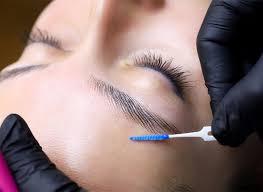
Well-defined eyebrows play a powerful role in facial balance and expression. They frame the eyes, influence emotions, and subtly shape how we are perceived. When eyebrows thin or disappear due to over-plucking, aging, genetics, hormonal changes, or medical conditions, the impact often goes beyond appearance—it affects confidence and self-image.
In a city like Los Angeles, where personal presentation matters across professional and social settings, eyebrow restoration has become an increasingly sought-after solution. Modern eyebrow transplant procedures now offer precise, permanent, and highly natural results for both men and women seeking long-term improvement rather than temporary cosmetic fixes.
This guide explores how eyebrow transplantation works, who it’s for, what makes Los Angeles clinics stand out, and how eyebrow restoration often fits into a broader approach to facial hair and scalp restoration.
Why Eyebrow Hair Loss Happens
Eyebrow thinning can occur gradually or suddenly, and the cause often determines whether regrowth is possible without medical intervention. Common factors include:
- Excessive tweezing or waxing over time
- Genetic predisposition to sparse brows
- Hormonal fluctuations, including thyroid conditions
- Nutritional deficiencies
- Stress or autoimmune disorders
- Scarring from trauma, burns, or cosmetic procedures
While makeup, microblading, and tattooing offer short-term camouflage, they do not restore real hair. For individuals seeking a permanent and natural solution, eyebrow transplants in Los Angeles have emerged as a reliable medical option.
What Is an Eyebrow Transplant?
An eyebrow transplant is a specialized hair restoration procedure that involves relocating healthy hair follicles—typically from the back of the scalp—to the eyebrow area. These follicles are selected carefully to match eyebrow hair texture, thickness, and growth behavior.
Unlike scalp transplants, eyebrow restoration requires an exceptional level of precision. Each hair must be implanted at a specific angle and direction to replicate the natural eyebrow pattern. Even a slight deviation can affect the final appearance.
Advanced Techniques Used in Los Angeles Clinics
Hair restoration clinics in Los Angeles are known for adopting refined techniques that prioritize natural results and long-term success. The most commonly used method for eyebrow restoration is FUE (Follicular Unit Extraction).
Follicular Unit Extraction (FUE)
FUE involves removing individual hair follicles one by one, leaving no visible linear scarring. This approach allows surgeons to harvest ultra-fine grafts ideal for eyebrow placement. Benefits include:
- Minimal downtime
- No stitches
- Reduced discomfort
- Highly controlled graft selection
Because eyebrow hair grows differently from scalp hair, surgeons carefully trim and shape grafts to ensure they blend seamlessly with existing brows.
Designing Natural-Looking Eyebrows
Eyebrow restoration is as much an art as it is a medical procedure. Before surgery, patients undergo an in-depth consultation that includes:
- Facial symmetry analysis
- Brow shape customization
- Density planning
- Gender-specific design considerations
Men often prefer flatter, more horizontal brows, while women may choose a subtle arch. The goal is not to follow trends, but to create brows that complement facial structure and age naturally over time.
This attention to detail is one of the reasons eyebrow transplants in Los Angeles attract patients from across the country and internationally.
Recovery and Growth Timeline
Recovery after an eyebrow transplant is typically smooth and manageable. Mild redness or swelling may occur for a few days, but most patients return to normal activities within a week.
What to Expect After the Procedure
- First 7–10 days: Small scabs form and naturally fall off
- Weeks 2–6: Transplanted hairs may shed (a normal phase)
- Months 3–4: New hair growth begins
- Months 8–12: Full results become visible
Because transplanted follicles retain their original growth characteristics, eyebrow hair will continue to grow and require occasional trimming.
Who Is a Good Candidate?
Eyebrow transplants are suitable for both men and women who:
- Have permanently thin or missing eyebrows
- Are in good overall health
- Have realistic expectations
- Possess adequate donor hair
Patients with scarring or previous cosmetic tattooing can still be candidates, though individual assessment is essential.
Eyebrow Transplants as Part of Comprehensive Hair Restoration
Many patients who pursue eyebrow restoration also explore other hair transplant options. Facial hair procedures, in particular, have gained popularity among men seeking fuller beards or improved facial balance.
It’s not uncommon for patients researching eyebrow transplants in Los Angeles to also inquire about facial hair procedures and beard transplant cost Los Angeles clinics typically offer. Combining treatments or planning them sequentially can be both cost-effective and aesthetically cohesive.
Beard Transplant Costs in Los Angeles
While eyebrow and beard transplants differ in scope and technique, both rely on similar medical principles. The beard transplant cost Los Angeles patients encounter can vary based on:
- Number of grafts required
- Desired density
- Surgeon expertise
- Clinic reputation and location
Beard transplants often involve a larger surface area than eyebrows, which influences overall pricing. However, many clinics offer personalized treatment plans rather than one-size-fits-all packages.
Understanding beard transplant cost Los Angeles providers outline during consultation helps patients plan long-term restoration goals alongside eyebrow enhancement.
Choosing the Right Clinic in Los Angeles
Selecting a qualified clinic is one of the most important decisions in the restoration journey. Patients should look for:
- Board-certified surgeons
- Proven experience in eyebrow transplantation
- Extensive before-and-after galleries
- Transparent consultation process
- Personalized treatment plans
Los Angeles clinics often combine cutting-edge technology with aesthetic expertise, making them leaders in facial hair restoration.
Emotional and Psychological Benefits
The impact of eyebrow restoration extends beyond physical appearance. Patients frequently report:
- Increased confidence
- Reduced reliance on makeup
- Improved facial harmony
- Greater comfort in professional and social settings
For individuals who have struggled with hair loss for years, restoration can feel transformative rather than merely cosmetic.
Long-Term Results and Maintenance
Eyebrow transplants are considered permanent. Once the transplanted follicles establish blood supply, they continue to grow for life. Maintenance is minimal and typically includes:
- Occasional trimming
- Gentle grooming
- Standard skincare practices
Unlike microblading or tattooing, there is no need for periodic touch-ups to maintain color or shape.
Frequently Asked Questions
Are eyebrow transplants permanent?
Yes. The transplanted follicles are permanent and continue to grow naturally once established.
Will the transplanted hair look natural?
When performed by an experienced surgeon, eyebrow transplants produce results that are virtually indistinguishable from natural brows.
Is the procedure painful?
Most patients experience minimal discomfort. Local anesthesia is used, and post-procedure soreness is typically mild.
How long does the procedure take?
An eyebrow transplant usually takes between 3 to 5 hours, depending on the number of grafts.
Can eyebrow and beard transplants be done together?
In some cases, yes. A consultation is necessary to determine donor availability and overall suitability. Many patients considering beard transplant cost Los Angeles clinics offer choose to plan treatments strategically over time.
Final Thoughts
Eyebrow restoration has evolved into a sophisticated, highly personalized procedure that offers permanent results for individuals affected by thinning or absent brows. With advanced techniques, artistic precision, and experienced specialists, eyebrow transplants in Los Angeles continue to set a high standard in facial hair restoration.