
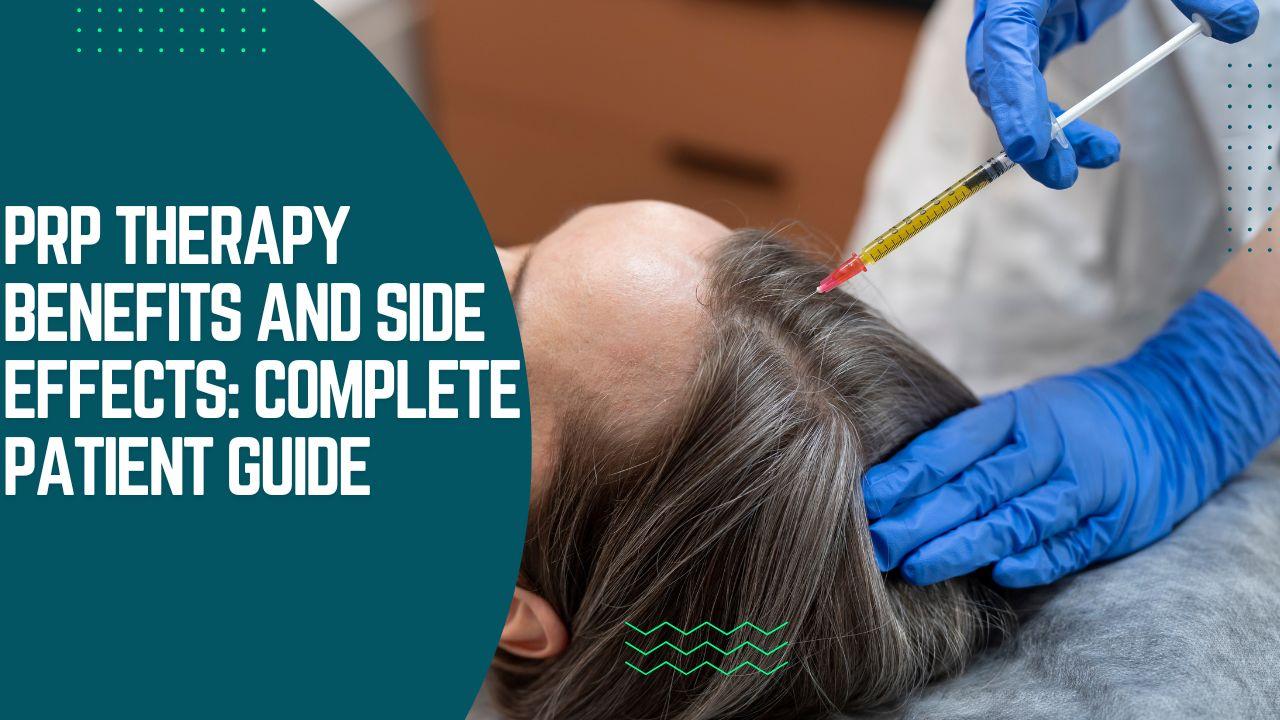
PRP therapy has gained significant attention in recent years as a natural and minimally invasive therapy for hair loss, skin rejuvenation, and tissue healing. Derived from the patient’s own blood, this advanced procedure uses concentrated platelets rich in growth factors to stimulate repair and regeneration. Understanding PRP therapy Benefits is essential for anyone considering this treatment, as it offers a unique balance between effectiveness and safety. While PRP therapy is widely appreciated for its natural approach and minimal downtime, patients should also be aware of possible side effects and realistic outcomes. This complete patient guide explains how PRP therapy works, its benefits, risks, and what to expect throughout the treatment journey.
What Is PRP Therapy?
PRP treatment, or Platelet-Rich Plasma treatment, is a medical treatment that uses the healing components found in your own blood. A little blood sample is drawn and processed in a centrifuge to separate platelets from other blood components. These platelets are concentrated into plasma rich in growth factors and then injected into targeted areas of the scalp, skin, or tissues.
Because PRP therapy relies on the body’s natural healing mechanisms, it is considered a safe and biologically compatible option. It does not apply synthetic chemicals or foreign substances, making it appealing to patients seeking natural solutions for hair loss, skin aging, or tissue repair.
How PRP Therapy Works
The effectiveness of PRP therapy lies in the regenerative power of platelets. Platelets contain growth factors that play a crucial role in cell repair, collagen production, and blood vessel formation. When PRP is injected into a specific area, these growth factors encourage dormant or weakened cells to regenerate.
In hair restoration, PRP improves blood supply to hair follicles, strengthens existing hair, and promotes healthier growth cycles. In skin treatments, it enhances collagen and elastin production, improving texture and tone. The procedure is minimally invasive, usually completed within an hour, and does not require surgery or extended recovery time.
PRP Therapy Benefits
Natural and Safe Treatment
One of the main Prp Therapy Benefits is that it uses the patient’s own blood. This significantly decreases the risk of allergic reactions, rejection, or serious complications. Since no artificial substances are involved, PRP therapy aligns well with the body’s natural healing process.
Stimulates Natural Healing and Regeneration
PRP therapy activates the body’s repair system at a cellular level. Growth factors promote tissue renewal, improve circulation, and support long-term healing. This produces PRP that is useful not only for cosmetic purposes but also for medical and regenerative applications.
Improves Hair Growth and Thickness
PRP therapy is commonly used to treat hair thinning and early-stage hair loss. It strengthens hair follicles, reduces excessive shedding, and improves overall hair quality. Over time, patients often notice thicker, healthier hair with improved density.
Non-Surgical with Minimal Downtime
Unlike surgical therapies, PRP therapy does not involve incisions, stitches, or general anesthesia. Most patients return to routine activities the same day, making it a suitable option for those with busy schedules.
Improves Skin Quality and Texture
For skin rejuvenation, PRP enhances collagen production, leading to firmer, smoother skin. It can improve fine lines, uneven tone, and dull texture, resulting in a refreshed and youthful appearance.
Versatile Medical and Cosmetic Uses
Beyond hair and skin, PRP therapy is used to help healing in joints, muscles, and soft tissues. Its versatility makes it a valuable treatment across both medical and aesthetic fields.
Expected Results and Treatment Timeline
PRP therapy effects are gradual and require patience. Some patients notice early progress within a few weeks, such as reduced hair shedding or better skin texture. However, visible changes typically appear after two to three months as the regenerative rotation progresses.
For hair restoration, multiple sessions are often recommended to achieve optimal results. Progress continues over several months as hair follicles strengthen and growth cycles stabilize. Outcomes vary depending on individual health, condition severity, and consistency of treatment.
Side Effects and Risks of PRP Therapy
Common Temporary Side Effects
PRP therapy is generally well tolerated. Mild side outcomes may include redness, swelling, tenderness, or slight bruising at the injection site. These results usually resolve within a few days without intervention.
Rare Risks and Complications
Serious complications are uncommon when PRP therapy is performed by trained professionals. There is a minimal risk of infection or prolonged irritation if proper medical protocols are not followed.
Limitations of PRP Therapy
While PRP offers many benefits, it is not a miracle cure. Results vary among individuals, and it may be less useful for advanced hair loss or certain medical conditions. Proper consultation is necessary to determine suitability.
Conclusion
PRP treatment stands out as a natural, safe, and versatile treatment option for individuals seeking effective solutions for hair loss, skin rejuvenation, and regenerative healing. By harnessing the body’s own growth factors, it delivers gradual yet meaningful improvements with minimal downtime. While patience is required to see full results, the long-term PRP therapy Benefits often make it a worthwhile choice. Understanding how PRP works, its regulations, and possible side effects permits patients to make informed decisions. When performed by qualified professionals and supported with proper care, PRP therapy can enhance appearance, restore confidence, and support healthier tissue regeneration over time.