
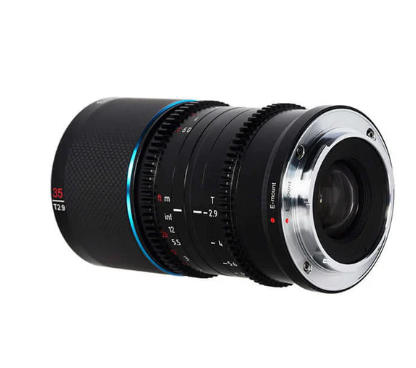
An anamorphic lens is the secret weapon for achieving a true cinematic look, transforming ordinary footage into wide-screen visual stories with signature characteristics like oval bokeh and unique flares. Unlike standard lenses, these optics horizontally compress a wider field of view, which is then "desqueezed" in post-production to create its iconic aesthetic. For filmmakers and content creators, choosing the right anamorphic lens, such as those from SIRUI's tailored series, is key to elevating video projects from amateur to professional grade.
What Exactly is an Anamorphic Lens?
At its core, an anamorphic lens works by compressing a wider horizontal field of view onto a standard sensor. This process creates a distinctive, elongated look that must be corrected or "desqueezed" during editing to reveal the full, expansive cinematic frame. The primary result is that signature wide-screen aspect ratio—often 2.39:1—that immediately signals a high-production film. This optical technique is what differentiates cinematic storytelling from standard video capture, adding a layer of visual depth and emotion.
The Signature Look: More Than Just Wide-Screen
The magic of an anamorphic lens goes beyond just a wider frame. It introduces artistic artifacts that are highly sought after. These include distinctive horizontal lens flares that streak across the image and oval-shaped bokeh (the out-of-focus areas of the background), which add a beautiful, organic texture. Furthermore, these lenses often impart a unique character to the image, with a specific focus fall-off and subtle distortions that many filmmakers consider essential for creating a filmic, emotionally resonant look that feels more immersive.
Finding Your Perfect Match: SIRUI's Anamorphic Lens Range
Selecting the correct anamorphic lens depends on your camera system and creative needs. SIRUI offers specialized series to match different sensor formats. For full-frame mirrorless cameras, the Venus series, like the 50mm T2.9 1.6x model, provides that expansive cinematic field. For Super 35 (S35) and APS-C sensors, options like the compact 35mm F1.8 1.33x lens deliver the anamorphic effect in a more portable package. This ensures that whether you're shooting on a high-end cinema camera or a versatile mirrorless model, there's an anamorphic lens designed to integrate seamlessly with your gear.
Choosing the Right Anamorphic Lens for Your Project
Your choice of an anamorphic lens should be guided by your sensor size, desired focal length, and the specific look you want. Full-frame lenses like the SIRUI Venus series offer the ultimate in image quality and that classic wide-screen feel, ideal for narrative films. The 1.33x squeeze factor lenses for APS-C or M4/3 systems are excellent for content creators and vloggers seeking a cinematic upgrade without a massive setup. Consider factors like the lens's squeeze factor (1.33x, 1.6x, 1.8x), maximum aperture for low-light performance, and whether you need autofocus capabilities to suit your shooting style.
In conclusion, incorporating an anamorphic lens into your toolkit is a transformative step toward professional, cinematic visuals. By understanding how it creates its unique look and carefully selecting a lens that matches your camera system—be it a SIRUI model for full-frame, S35, or APS-C—you can unlock new creative possibilities. Start exploring these lenses to give your videos the emotional depth and wide-screen grandeur that captivate audiences.
I hope this guide helps you understand the power of anamorphic lenses. If you have a specific camera model or type of project in mind, I can offer more tailored suggestions from the available range.