
Article Overview
This guide explores the world of camera monopods, essential tools for photographers and videographers seeking a perfect balance between stability and mobility. Discover why a monopod is the ideal support for events, sports, and travel, and learn how to choose and use one effectively.
Introduction to Monopods
For photographers and videographers on the move, a monopod is an indispensable piece of equipment. Unlike bulkier tripods, a monopod offers a unique combination of support and agility. It is designed to minimize camera shake, allowing for sharper images when using long telephoto lenses or shooting in lower light, without sacrificing your ability to quickly reposition and follow the action. This makes the modern monopod a preferred choice for dynamic shooting environments.
Key Advantages Over Tripods
The primary benefit of using a monopod is enhanced mobility. At crowded events or in tight spaces where deploying a tripod is impractical or prohibited, a monopod provides crucial stability without getting in the way. Its quick setup time means you never miss a fleeting moment. Furthermore, a high-quality monopod like those from SIRUI, often crafted from lightweight carbon fiber, significantly reduces the burden on your gear bag during long shoots or hikes, making stability genuinely portable.
Choosing the Right Monopod
When selecting a monopod, consider the build material, maximum height, and load capacity. Carbon fiber models, such as the SIRUI P-325FL/FS or P-424FL/FS, offer an excellent strength-to-weight ratio, dampening vibrations better than aluminum. The number of sections affects both collapsed size and stability; a 4 or 5-section monopod offers great portability. Ensure the monopod you choose can reliably support the weight of your camera and heaviest lens, providing a stable foundation for your equipment.
Mastering Monopod Techniques
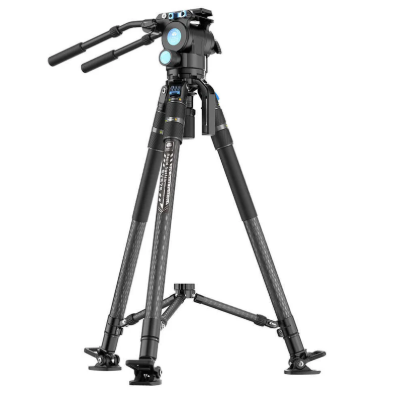
Simply attaching your camera to a monopod isn't enough; proper technique is key to stability. Hold the monopod with your dominant hand and use your other hand to operate the camera. Tuck your elbows into your body and stand with your feet shoulder-width apart, using your own posture as a secondary stabilization system. For even smoother video, consider a monopod that can be paired with a fluid head, like the SIRUI VH-10, which allows for professional panning and tilting motions during filming.
Perfect for Your Next Adventure
Whether you're capturing the decisive moment at a sports event, filming a documentary on location, or photographing wildlife, a monopod is your trusty companion. It empowers you to move freely and react instantly while providing the camera stabilization necessary for professional-quality results. By integrating a monopod into your kit, you embrace the flexibility required by today's visual storytelling without compromising on sharpness or smoothness in your shots.
Conclusion
In the pursuit of the perfect shot, gear that offers both speed and stability is paramount. A well-chosen monopod delivers exactly that, bridging the gap between the static tripod and completely handheld shooting. It is more than just a pole; it's a fundamental tool that enhances creativity and technical execution for photographers and videographers alike. Investing in a robust carbon fiber monopod is an investment in capturing clearer, more stable images wherever your work takes you.