
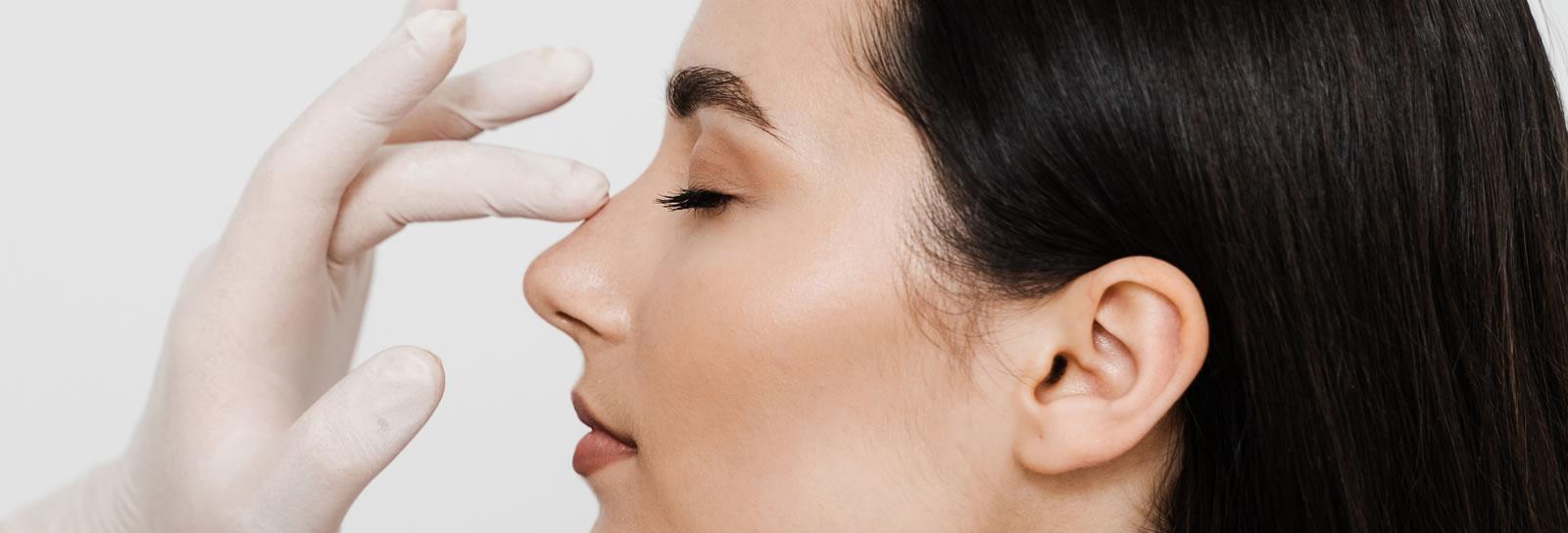
Your Rhinoplasty Recovery Timeline: From Day One to One Year
Embarking on a journey of facial transformation is an exercise in both excitement and patience. For those undergoing Rhinoplasty in Riyadh(تجميل الأنف في الرياض), the surgery itself is only the beginning of a year-long evolution where the body meticulously heals and reshapes itself. Understanding the recovery timeline is essential for managing expectations and ensuring the best possible aesthetic outcome. While modern techniques have significantly reduced discomfort and downtime, the nose is a delicate structure with a complex blood supply, meaning that final results do not appear overnight. From the initial "stuffy" days following the procedure to the final refinement of the nasal tip twelve months later, each stage of recovery plays a vital role in the success of your new profile.
The First 24 Hours: The Foundation of Healing
The first day after surgery is focused entirely on rest and stabilization. Most patients wake up with a protective splint on the bridge of the nose and possibly internal supports.
-
Sensation: You won't feel sharp pain, but rather a sense of heavy pressure and "stuffiness," similar to a severe head cold.
-
Care: Keeping the head elevated at a 45-degree angle is critical to minimize swelling and prevent throbbing.
-
Activity: Rest is paramount. Avoid any sudden movements or bending over, as this can increase blood pressure in the face and lead to minor bleeding.
Days 2 to 7: The "Social Hiding" Phase
This is the window where swelling and bruising reach their peak, usually around day three, before they begin to subside.
-
Appearance: You may see bruising around the eyes, though this is much less common with modern Ultrasonic (Piezo) techniques.
-
Maintenance: This is the time for diligent hygiene. Using saline nasal sprays helps keep the internal passages moist and prevents crusting.
-
The Big Reveal: At the end of the first week, you will return to the clinic to have your external splint and any sutures removed. While the nose will look "puffy," this is the first time you get to see your new silhouette.
Weeks 2 to 4: Returning to Routine
By the end of the second week, most patients feel "socially ready." This means that while you are still healing, a stranger in a coffee shop would likely not notice you had surgery.
-
Bruising: Any remaining yellow or green bruising typically fades by day ten.
-
Work and Social Life: Most people return to office-based work at this stage.
-
Exercise: Light walking is encouraged to promote circulation, but strenuous lifting or high-impact cardio must still be avoided to protect the delicate internal grafts.
Months 1 to 3: The Subtle Shift
During this phase, the "surgical look" disappears, and the nose begins to look more natural. The bridge of the nose is usually the first area to show its final definition.
-
Numbness: It is common for the tip of the nose and the upper front teeth to feel slightly numb or "stiff." This is a normal part of nerve recovery and gradually resolves.
-
Tip Swelling: The tip of the nose remains the most stubborn area for swelling. Because of gravity, fluid tends to settle here, making the tip appear rounder than it will eventually be.
Months 4 to 9: Defining the Details
As you cross the halfway mark, the internal tissues are becoming more stable.
-
The "Shrink-Wrap" Effect: The skin begins to contract and settle more tightly over the new bone and cartilage framework. This is when the fine details—like the "tip-defining points"—start to become visible.
-
Consistency: You may notice that your nose looks more swollen in the morning or after eating salty foods, then slims down by the evening. This fluctuation is normal as the lymphatic system recalibrates.
One Year: The Final Result
At the twelve-month mark, your recovery is officially complete.
-
Final Form: The last 5% to 10% of swelling in the tip has finally dissipated. The nose is now at its most refined, firm, and permanent shape.
-
Structural Integrity: The internal grafts are now fully integrated into your anatomy.
-
Reflection: This is the point where "before and after" photos are most accurate. Most patients in Riyadh report a profound sense of satisfaction at this stage, as the nose they see in the mirror finally matches the vision they had before surgery.
Tips for a Smooth Recovery
To ensure you stay on track throughout this timeline, remember these three golden rules:
-
Protect from the Sun: Scar tissue and healing skin are highly sensitive to UV rays, which can cause permanent darkening. Wear a hat and high-SPF sunscreen.
-
No Pressure: Avoid wearing heavy glasses directly on the bridge of the nose for at least 6 weeks.
-
Patience is Key: Do not judge your results in the first three months. Healing is a non-linear process, and "perfect" takes time.