
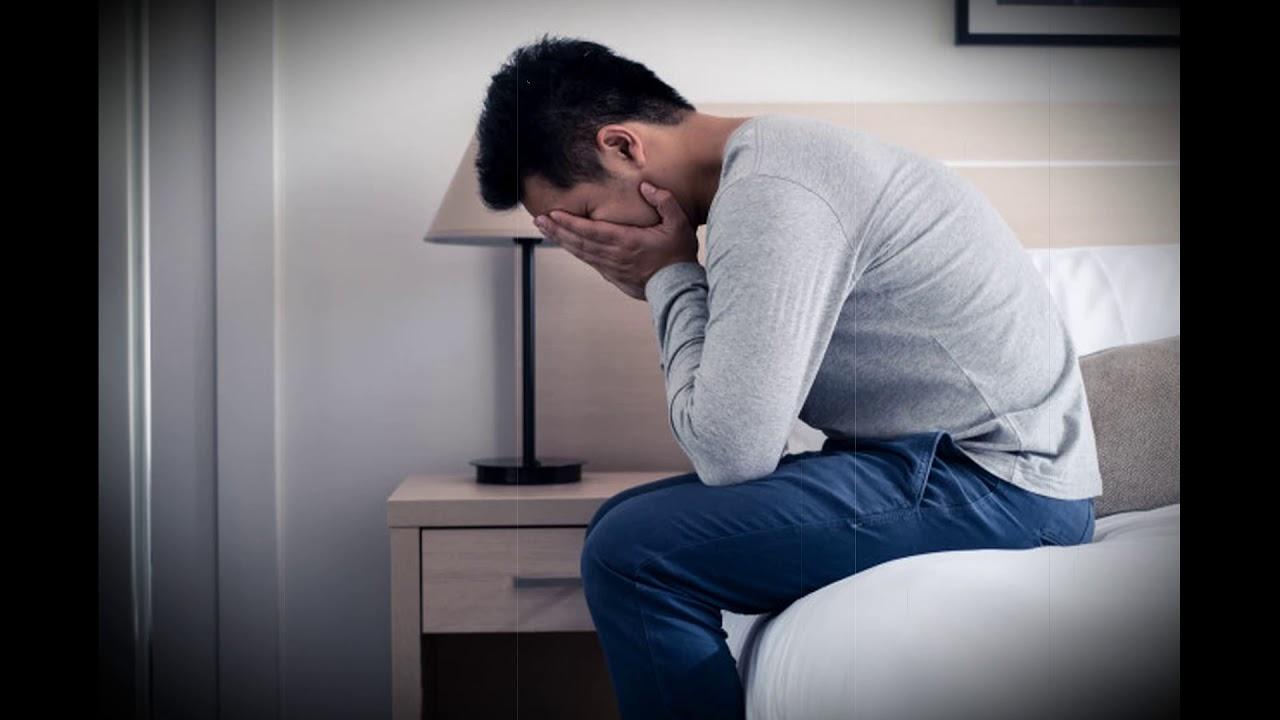
Erectile dysfunction (ED) is a multifactorial condition that affects millions of men worldwide. While physical conditions such as diabetes, cardiovascular disease, and hormonal imbalances are well-known contributors, lifestyle habits like smoking and alcohol consumption play a crucial role in the development and progression of ED. Understanding how these substances affect sexual health can help men take preventive measures and improve erectile function. Erectile dysfunction in Riyadh is a common concern that affects men’s physical and emotional well-being, and understanding its causes is the first step toward effective management.
1. How Smoking Impacts Erectile Function
Smoking is one of the strongest lifestyle-related risk factors for ED. Cigarette smoke contains thousands of toxic chemicals, including nicotine, carbon monoxide, and free radicals, all of which have harmful effects on the vascular and nervous systems essential for normal erections.
Vascular Damage
Erections depend on the ability of blood vessels in the penis to dilate and fill with blood. Smoking damages endothelial cells, which line the inner walls of blood vessels. This damage reduces nitric oxide availability, a molecule crucial for relaxing smooth muscles in the penile arteries. The resulting impaired blood flow can lead to difficulty achieving or maintaining erections.
Accelerated Atherosclerosis
Smoking contributes to the formation of plaque in arteries, a condition known as atherosclerosis. Hardened and narrowed arteries decrease blood supply not only to the heart and brain but also to the penis. Men who smoke are significantly more likely to develop vascular-related ED compared to non-smokers.
Hormonal Effects
Nicotine and other chemicals in cigarettes can reduce testosterone levels by affecting the endocrine system. Testosterone is vital for sexual desire and erectile function. Lower testosterone levels due to smoking can decrease libido and exacerbate ED symptoms.
Nervous System Impairment
Smoking also negatively impacts the nervous system. Nicotine stimulates sympathetic nervous activity, which can interfere with the parasympathetic system that promotes erection. This imbalance can make it more difficult for men to achieve full rigidity, even if the vascular system is partially functional.
2. Alcohol and Its Impact on Erectile Function
Alcohol consumption has a complex relationship with sexual health. While small amounts of alcohol may temporarily reduce anxiety and increase relaxation, excessive or chronic alcohol intake can severely impair erectile function.
Hormonal Disruption
Chronic alcohol use negatively affects hormone levels, particularly testosterone. Alcohol increases the conversion of testosterone to estrogen, reducing libido and weakening sexual drive. Reduced testosterone also impacts nitric oxide production, which is essential for penile blood vessel dilation.
Nervous System Effects
Alcohol depresses the central nervous system. This depression can impair communication between the brain and the penis, which is crucial for initiating an erection. Long-term alcohol abuse can lead to nerve damage, further worsening erectile dysfunction.
Vascular Effects
Like smoking, excessive alcohol consumption damages blood vessels. Alcohol can cause high blood pressure, increase oxidative stress, and reduce vascular flexibility, all of which impair the blood flow necessary for an erection.
Behavioral and Psychological Effects
Alcohol also contributes to ED indirectly through behavioral and psychological pathways. Excessive drinking may reduce motivation for sexual activity, increase fatigue, and cause mood disorders such as depression and anxiety, which further inhibit sexual performance.
3. Combined Effects of Smoking and Alcohol
Men who both smoke and drink excessively face compounded risks for ED. Both substances independently reduce nitric oxide availability, damage blood vessels, and disrupt hormonal balance. When combined, they accelerate vascular aging, reduce testosterone levels more dramatically, and increase the likelihood of developing chronic ED.
In addition, the co-use of alcohol and tobacco often coincides with other unhealthy lifestyle habits such as poor diet, sedentary behavior, and sleep deprivation, further magnifying the risk of erectile difficulties.
4. Reversibility and Risk Reduction
The good news is that the negative effects of smoking and alcohol on erectile function are at least partially reversible.
-
Smoking cessation can lead to improved vascular health and better blood flow to the penis, often resulting in improved erectile function within months. Long-term abstinence reduces the risk of severe ED and enhances overall cardiovascular health.
-
Moderating alcohol intake or abstaining from heavy drinking helps restore hormonal balance, improve nerve function, and reduce vascular damage. Even men with long-term alcohol use can see improvements in sexual performance after reducing consumption.
Lifestyle interventions that combine quitting smoking, limiting alcohol, adopting a healthy diet, and engaging in regular exercise have been shown to significantly improve erectile function and reduce ED severity.
5. Conclusion
Both smoking and excessive alcohol consumption are major contributors to erectile dysfunction. Smoking primarily damages blood vessels, reduces nitric oxide availability, and lowers testosterone, while alcohol disrupts hormonal balance, depresses the nervous system, and impairs vascular health. The combined use of these substances accelerates the onset and severity of ED.
Fortunately, the negative impact of these lifestyle factors is largely modifiable. Quitting smoking and limiting alcohol intake, along with other healthy lifestyle practices, can significantly improve erectile function and overall sexual health. Men who experience ED due to these habits are encouraged to make changes early, as this not only benefits sexual performance but also supports long-term cardiovascular and hormonal health.
Addressing smoking and alcohol use is therefore a crucial step for men seeking to manage or prevent ED, reinforcing the importance of lifestyle choices in sexual well-being.