
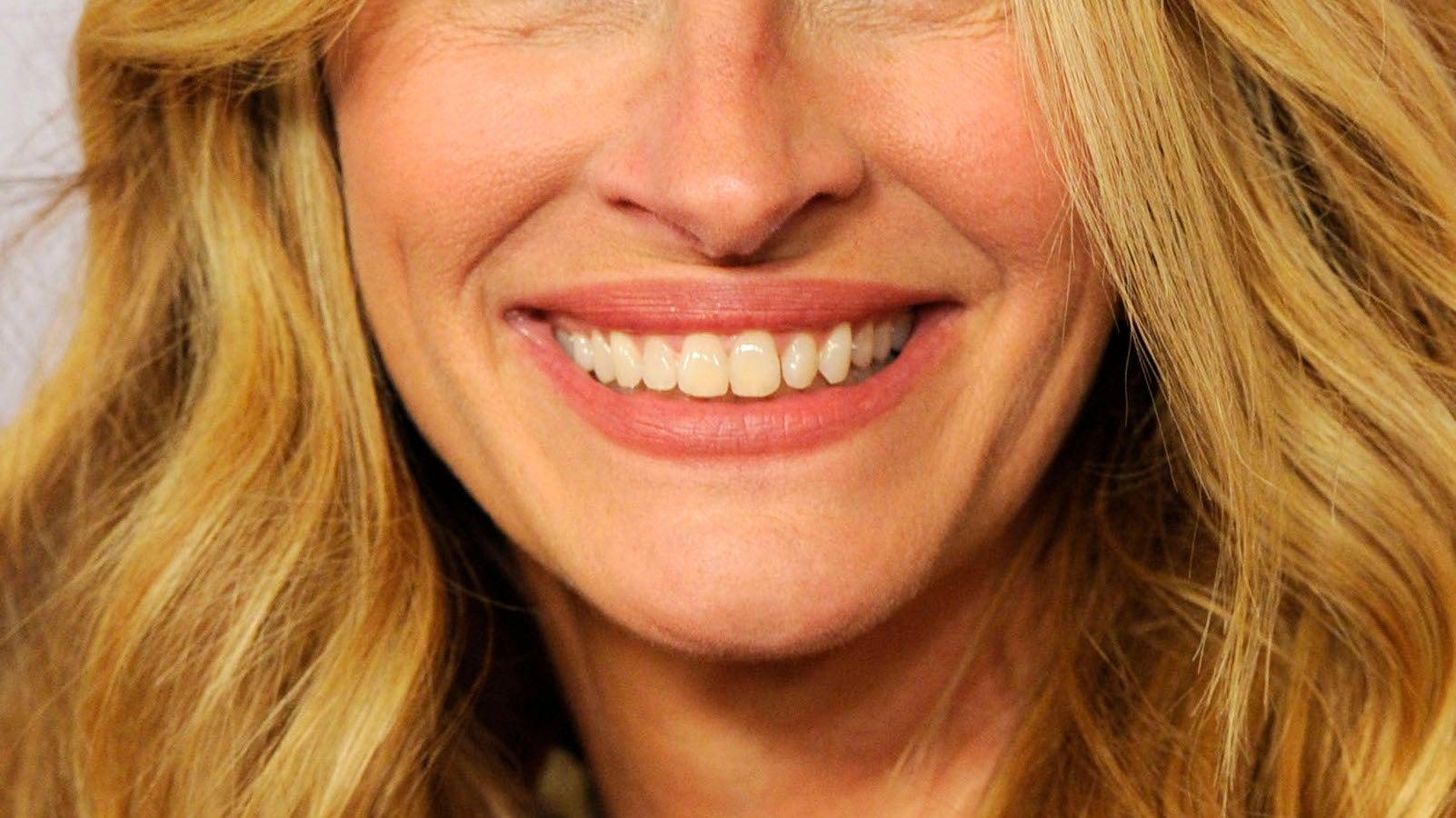
A confident smile can leave a lasting impression, but many people unintentionally make errors that affect how their smile is perceived. One subtle yet impactful aspect is showing bottom teeth when smiling, which, if not done naturally, can alter facial harmony and overall appearance. Understanding the common mistakes associated with this can help you refine your smile and present yourself more confidently in social and professional settings.
Overexposing the Bottom Teeth
One of the most frequent mistakes people make is overexposing their bottom teeth while smiling. A natural smile typically reveals more of the upper teeth than the lower ones. When the bottom teeth dominate the smile, it can appear forced or even tense. This often happens when people consciously try to “smile bigger” without realizing that balance is key.
Instead of stretching your lips downward, focus on lifting the corners of your mouth gently. Practicing in front of a mirror can help you identify the right balance where your smile looks genuine rather than exaggerated.
Tension in Facial Muscles
Another common issue is unnecessary tension in the facial muscles. When people try too hard to control their smile, it often results in stiffness, which makes the bottom teeth more prominent. This tension can also affect the eyes, making the smile appear less authentic.
A relaxed smile naturally engages both the mouth and the eyes. Let your expression flow instead of forcing it. Think of something pleasant or amusing to create a more genuine reaction that naturally minimizes awkward bottom teeth exposure.
Poor Lip Positioning
Lip positioning plays a crucial role in how your teeth are displayed. Many people unknowingly pull their lower lip down too far, which emphasizes the bottom teeth. This can distort the natural curvature of the smile and draw attention away from the overall facial expression.
Maintaining a slight upward curve of the lips helps keep the smile balanced. Your lower lip should act as a soft frame rather than being overly stretched. Practicing subtle lip control can significantly improve your smile aesthetics.
Ignoring Dental Alignment
Sometimes the issue isn’t just about technique but also about dental alignment. Crooked or uneven bottom teeth can become more noticeable when they are prominently displayed during a smile. This can make individuals self-conscious and lead to overcompensation, which often worsens the problem.
Addressing alignment concerns through professional dental care can make a big difference. If you’re unsure about your smile, consider visiting the luminoussmiles website to explore options that can enhance both the health and appearance of your teeth.
Smiling Without Eye Engagement
A smile that focuses only on the mouth can look incomplete. When the eyes don’t participate, the smile may appear artificial, and the bottom teeth can become the focal point unintentionally. This imbalance can make the smile seem less warm and inviting.
Engaging your eyes—often referred to as a “Duchenne smile”—creates a more natural and appealing expression. When your eyes slightly squint and your cheeks lift, the overall smile becomes more harmonious, reducing the emphasis on any one area, including the bottom teeth.
Overthinking the Smile
Overanalyzing how you smile can lead to unnatural results. Many people become so conscious of how their bottom teeth look that they end up forcing a specific expression. This often backfires, making the smile look rehearsed rather than spontaneous.
Confidence plays a huge role in how your smile is perceived. Instead of trying to control every detail, focus on feeling comfortable. A relaxed and confident smile is always more attractive than a technically “perfect” one.
Neglecting Oral Hygiene
Oral hygiene is another factor that can impact how comfortable you feel about showing your teeth. If your bottom teeth are stained or not well-maintained, you may unconsciously adjust your smile in a way that draws more attention to them.
Regular brushing, flossing, and dental check-ups are essential for maintaining a clean and bright smile. When you feel confident about your oral health, your smile will naturally improve without the need for forced adjustments.
Incorrect Head Position
Your head position can also influence how your smile appears. Tilting your head too far down can make the bottom teeth more visible, while a slight upward angle tends to highlight the upper teeth more.
Being mindful of your posture, especially in photos, can help you achieve a more flattering smile. A slight lift of the chin combined with a relaxed expression can make a noticeable difference.
Lack of Practice
Many people assume that smiling naturally doesn’t require practice, but refining your smile can be just as important as improving any other personal skill. Without practice, it’s easy to fall into habits that emphasize the bottom teeth in an unflattering way.
Spend a few minutes observing your smile in different situations—casual, posed, and candid. This awareness will help you understand what works best for your facial structure and allow you to make subtle improvements.
Conclusion
Smiling is a powerful form of communication, but small mistakes can affect how it is perceived. From overexposing the bottom teeth to creating unnecessary tension, these issues are often easy to fix with a bit of awareness and practice. By focusing on natural expression, proper lip positioning, and overall confidence, you can achieve a balanced and आकर्षive smile.
If you’re looking to enhance your smile further or address underlying dental concerns, visiting the luminoussmiles website can provide helpful guidance and professional solutions tailored to your needs.