
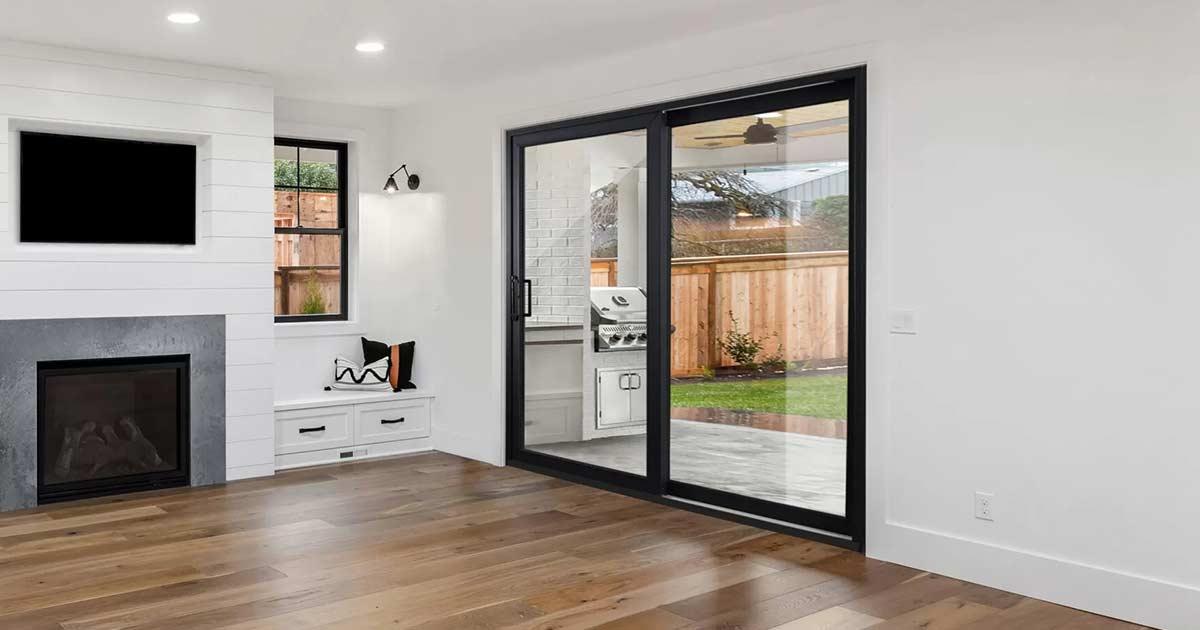
As commercial architecture continues to evolve, the demand for seamless indoor-outdoor integration is becoming more prominent than ever. One of the key elements enabling this transformation is the growing use of patio sliding doors in commercial spaces.
From office complexes to hospitality environments, these doors are no longer limited to residential applications — they are now a defining feature of modern commercial design.
1. Seamless Indoor-Outdoor Connectivity
Modern commercial spaces are increasingly designed to blur the line between indoor and outdoor environments. Whether it’s a café opening into a terrace or an office breakout area extending into a garden, patio sliding doors enable smooth transitions.
This design approach not only enhances aesthetics but also improves user experience by creating more open and inviting spaces.
2. Larger Openings with Slim Profiles
Architects are prioritizing expansive openings that allow maximum natural light. This has led to the rise of:
- Floor-to-ceiling sliding doors
- Ultra-slim frames
- Wide-span glass panels
Advanced engineering now allows patio sliding doors to support large glass surfaces without compromising structural integrity, making them ideal for commercial applications.
3. Energy Efficiency and Thermal Performance
Energy efficiency is a major consideration in commercial construction. High-quality patio sliding doors are now designed with:
- Multi-chamber frames
- Double or triple glazing
- Advanced sealing systems
These features help maintain indoor temperatures, reduce energy consumption, and contribute to sustainable building practices.
4. Enhanced Acoustic Insulation
In busy urban environments, noise reduction is critical for productivity and comfort. Modern patio sliding doors offer excellent sound insulation, making them suitable for:
- Offices in high-traffic areas
- Hotels and resorts
- Healthcare and educational facilities
This added benefit makes them a practical as well as aesthetic choice.
5. Smart and Automated Sliding Systems
Automation is becoming increasingly common in commercial infrastructure. Patio sliding doors are now being integrated with smart systems that allow:
- Motion-sensor operation
- Remote access control
- Integration with building management systems
These features improve convenience while also enhancing energy efficiency and security.
6. Durability for High-Traffic Use
Commercial environments demand robust solutions that can withstand frequent use. Today’s patio sliding doors are built with:
- High-strength materials like aluminium
- Corrosion-resistant finishes
- Smooth, long-lasting track systems
This ensures reliability and minimal maintenance over time.
7. Focus on Aesthetics and Customization
Design flexibility is a major factor in commercial projects. Patio sliding doors now come in a wide range of:
- Finishes and colors
- Frame designs
- Glass options
This allows architects and designers to align door systems with the overall visual identity of the building.
8. Sustainability and Long-Term Value
Sustainability continues to influence material selection in commercial construction. Modern patio sliding doors contribute by:
- Improving natural lighting (reducing artificial lighting needs)
- Supporting ventilation strategies
- Offering recyclable material options
These advantages make them a valuable addition to eco-conscious commercial projects.
Conclusion
The role of patio sliding doors in commercial architecture is expanding rapidly. What was once considered a residential feature is now a central design element in offices, hospitality venues, and retail spaces.
With advancements in technology, materials, and design, these doors are helping create spaces that are more open, efficient, and visually appealing.
For forward-looking brands like Internorm Commercial, embracing these trends means delivering solutions that align perfectly with the future of commercial design.