
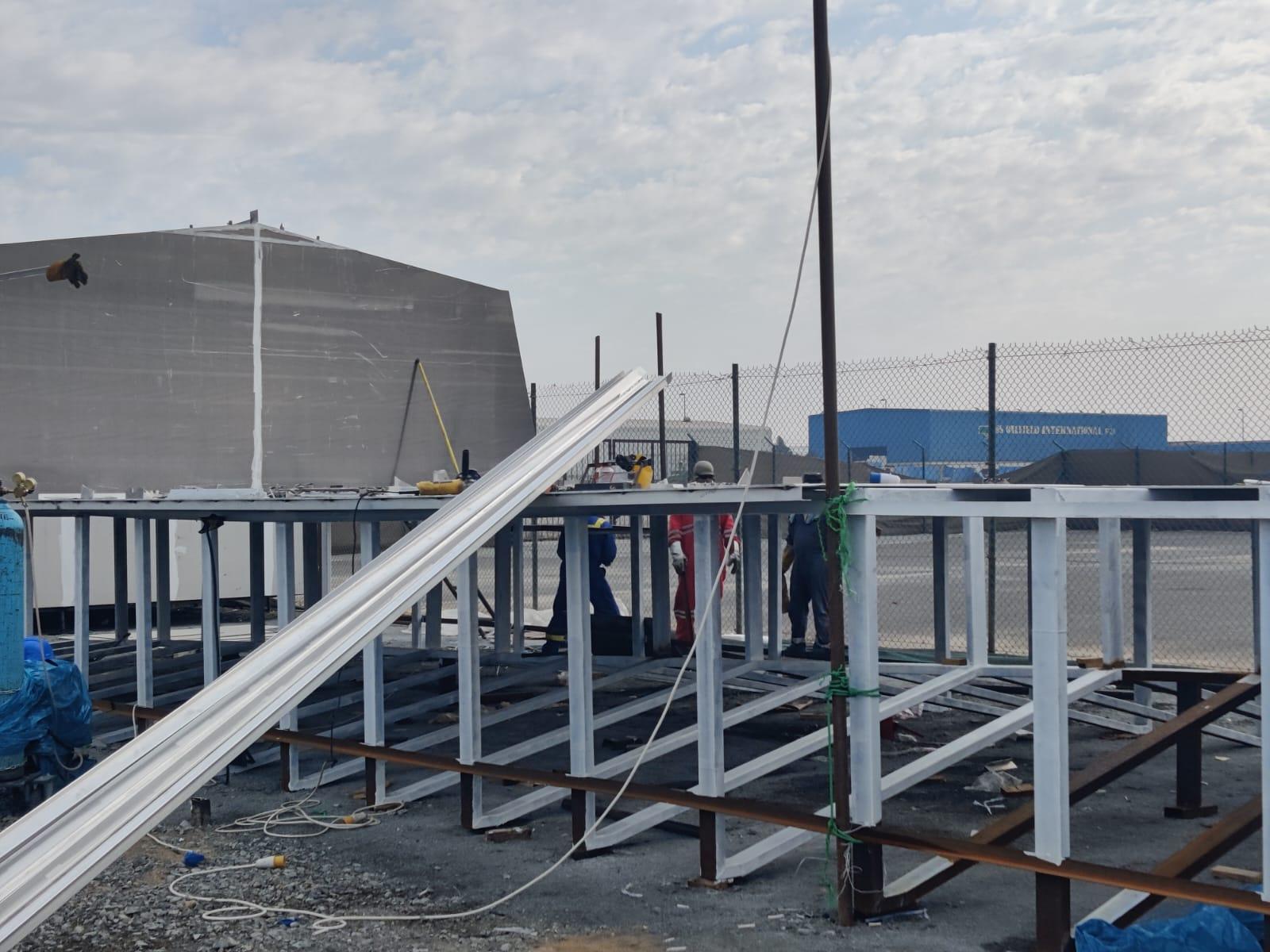
The global maritime industry is rapidly moving toward sustainability, and ship building companies in UAE are playing a crucial role in supporting this transition. With growing concerns about carbon emissions, fuel consumption, and environmental protection, shipbuilders are focusing on innovative vessel designs, cleaner technologies, and eco-friendly construction practices. Sustainable shipping is no longer just an industry trend; it has become a necessity for meeting international environmental standards and ensuring long-term economic growth.
The United Arab Emirates has established itself as a major maritime hub connecting international trade routes across Asia, Europe, and Africa. As shipping companies seek greener transportation solutions, the country's shipbuilding sector is helping develop vessels that are more efficient, environmentally friendly, and compliant with global regulations. Organizations such as VU Marine are contributing to this transformation by supporting modern shipbuilding practices that align with sustainability goals.
Why Sustainable Shipping Matters
Shipping remains the backbone of global trade, transporting nearly 90% of the world's goods. According to the International Maritime Organization (IMO), maritime transport is one of the most energy-efficient methods of moving cargo. However, the shipping industry still accounts for approximately 3% of global greenhouse gas emissions.
To reduce environmental impact, the IMO has introduced stricter regulations aimed at lowering carbon emissions and improving energy efficiency. These regulations encourage shipbuilders and vessel operators to adopt greener technologies and operational practices.
As a result, modern shipyards are increasingly focusing on constructing vessels that consume less fuel, produce fewer emissions, and support sustainable maritime operations.
Fuel-Efficient Vessel Design
One of the most effective ways to improve sustainability is through better vessel design. Modern ships are engineered to reduce water resistance and improve fuel efficiency.
Advanced hull structures help vessels move through water more smoothly, requiring less engine power to maintain speed. Studies show that optimized hull designs can improve fuel efficiency by 10% to 20%, depending on vessel type and operating conditions.
Shipbuilders are also using computer simulations and advanced engineering techniques to create designs that maximize performance while minimizing environmental impact. These improvements contribute directly to lower fuel consumption and reduced carbon emissions.
The Role of Environmentally Friendly Materials
Sustainability begins during the construction phase. Shipyards are increasingly using recyclable materials and environmentally responsible manufacturing processes.
Many vessels are built using:
- Recyclable steel
- Lightweight aluminum components
- Eco-friendly coatings
- Sustainable insulation materials
- Low-emission production methods
The World Steel Association reports that steel is among the most recycled materials globally, making it an important component of sustainable shipbuilding. By utilizing recyclable materials, builders can significantly reduce waste and conserve natural resources.
This approach helps lower the overall environmental footprint of the maritime industry while supporting long-term sustainability goals.
Alternative Fuel Technologies
The future of shipping depends heavily on cleaner energy sources. Traditional marine fuels are gradually being replaced or supplemented by alternatives that generate fewer emissions.
Modern vessels are increasingly designed to operate using:
- Liquefied Natural Gas (LNG)
- Methanol
- Biofuels
- Hydrogen-based systems
- Hybrid propulsion technologies
Industry studies indicate that LNG-powered vessels can reduce carbon dioxide emissions by up to 20% compared to conventional marine fuels while dramatically lowering sulfur emissions.
To support these developments, ship manufacturing companies in UAE are designing vessels capable of adapting to future fuel technologies, ensuring long-term environmental compliance and operational efficiency.
Smart Technology and Digital Solutions
Technology is becoming a key driver of sustainable shipping. Modern vessels are equipped with advanced monitoring systems that help operators optimize performance and reduce fuel consumption.
Examples include:
- Real-time fuel monitoring
- Predictive maintenance systems
- Route optimization software
- Automated engine controls
- Energy management platforms
Research suggests that digital optimization technologies can reduce fuel consumption by 5% to 15%. These systems help operators identify inefficiencies, improve maintenance planning, and lower operational costs.
The integration of digital solutions also supports compliance with environmental regulations and enhances overall vessel performance.
Energy-Efficient Propulsion Systems
Another major contributor to sustainability is the development of advanced propulsion technologies.
Modern shipbuilders are investing in:
- Hybrid propulsion systems
- Electric-assisted engines
- Variable-speed propulsion systems
- Energy recovery technologies
- Advanced propeller designs
Studies show that propulsion improvements can reduce fuel consumption by up to 25% in certain vessel categories.
By improving engine efficiency and reducing fuel requirements, these systems help lower greenhouse gas emissions while improving operational reliability.
Supporting Sustainable Port Operations
Sustainability extends beyond the vessel itself. Ports and supporting infrastructure play a critical role in reducing environmental impact throughout the shipping process.
Modern ships are increasingly designed with features that support green port initiatives, including:
- Shore power connectivity
- Low-emission docking systems
- Noise reduction technologies
- Efficient cargo handling equipment
Shore power systems allow vessels to connect directly to electrical grids while docked, reducing the need to operate onboard engines and lowering emissions in port areas.
The continued development of marine services in UAE is helping strengthen environmentally responsible maritime operations by supporting advanced logistics networks and modern port infrastructure.
Compliance with Global Environmental Regulations
Environmental regulations have become a major factor in ship design and construction.
Key international standards include:
- IMO Energy Efficiency Design Index (EEDI)
- Carbon Intensity Indicator (CII)
- MARPOL environmental regulations
- Ballast Water Management Convention
Compliance with these standards ensures that vessels operate responsibly while meeting global environmental requirements.
Shipbuilders now integrate these regulations into every stage of vessel development, from initial design to final construction and testing.
Research and Innovation for a Greener Future
Innovation remains essential for the future of sustainable shipping. Significant investments are being made in research and development to create technologies that further reduce environmental impact.
Areas of focus include:
- Hydrogen propulsion
- Artificial intelligence for vessel optimization
- Autonomous ship technologies
- Renewable energy integration
- Carbon reduction systems
According to maritime industry forecasts, investment in green shipping technologies is expected to increase substantially over the next decade as governments and organizations work toward achieving net-zero emissions targets.
Many of the world's top shipbuilding companies are investing heavily in these innovations to remain competitive while supporting environmental objectives.
Economic Benefits of Sustainable Shipbuilding
Sustainability is not only beneficial for the environment; it also provides significant economic advantages.
Environmental Benefits
- Lower greenhouse gas emissions
- Reduced air pollution
- Improved fuel efficiency
- Better resource conservation
- Reduced marine ecosystem impact
Economic Benefits
- Lower fuel expenses
- Reduced operating costs
- Improved vessel lifespan
- Enhanced regulatory compliance
- Greater market competitiveness
Industry estimates suggest that fuel costs can account for nearly 50% of a vessel's operational expenses. As a result, even small improvements in fuel efficiency can generate substantial long-term savings.
Conclusion
Sustainable shipping has become a global priority, and ship building companies in UAE are helping drive this transformation through innovative vessel designs, environmentally responsible construction methods, and advanced maritime technologies. By focusing on fuel efficiency, alternative energy sources, smart digital systems, and compliance with international regulations, the industry is creating vessels that are better equipped for the future.
At the same time, organizations such as VU Marine continue supporting modern shipbuilding practices that contribute to greener maritime transportation. As environmental standards become increasingly stringent, the combined efforts of shipbuilders, operators, and regulators will play a vital role in creating a cleaner, more efficient, and more sustainable global shipping industry.