
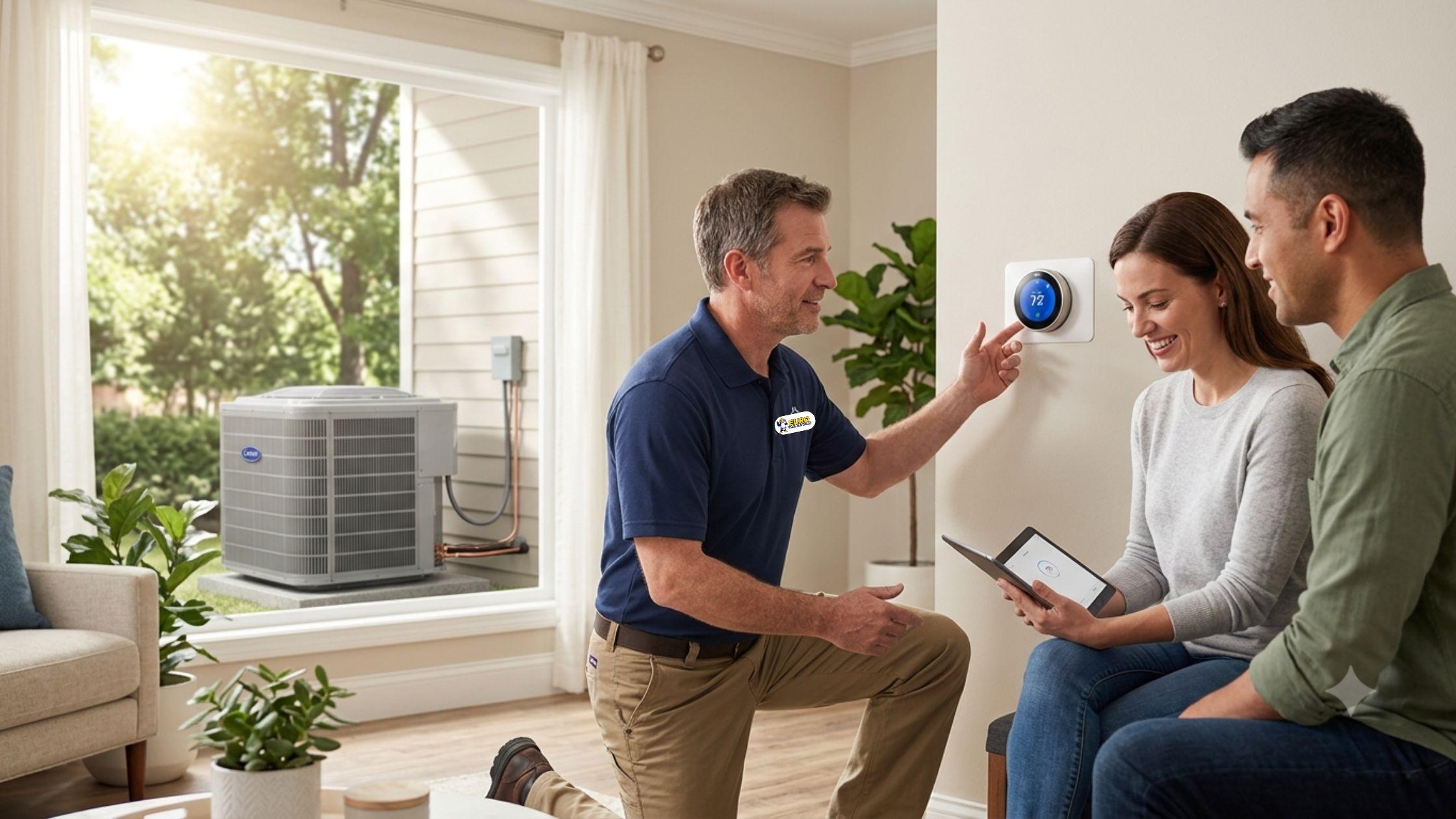
A reliable central air conditioning system can transform the comfort of your home, especially during the hottest months of the year. Beyond keeping indoor temperatures comfortable, today's systems improve air quality, regulate humidity, and operate far more efficiently than older models. However, achieving those benefits depends on more than simply purchasing a new unit. A successful central air conditioning install begins with careful planning, proper system selection, and professional installation.
Whether you're replacing an outdated system or installing central air conditioning for the first time, understanding the process helps you make informed decisions and avoid costly mistakes. This guide covers everything homeowners should know before investing in a new cooling system.
Why Install Central Air Conditioning?
Many homeowners upgrade to central air because it provides whole-home comfort that window units and portable air conditioners simply can't match.
A professionally installed central AC system offers several advantages:
- Even cooling throughout the home
- Better indoor air quality
- Improved humidity control
- Increased energy efficiency
- Quiet operation
- Enhanced home value
- Greater convenience with programmable thermostats
With proper maintenance, a quality central air conditioning system can provide reliable performance for 15 to 20 years.
When Is It Time to Replace Your Existing AC?
If your current system is struggling to keep your home cool, replacement may be a smarter investment than repeated repairs.
Common signs it's time for a central air conditioning install include:
- Your AC is more than 15 years old.
- Energy bills continue to rise.
- Frequent breakdowns require costly repairs.
- Cooling is inconsistent between rooms.
- The system uses outdated refrigerant.
- Excessive humidity remains indoors.
- Strange noises or odors have become common.
While some issues can be repaired, older systems often become less efficient over time, making replacement the more cost-effective long-term solution.
Step 1: Determine the Right System Size
One of the biggest mistakes homeowners make when installing central air conditioning is assuming that bigger is always better.
An oversized unit cools the home too quickly without removing enough humidity, resulting in uncomfortable indoor conditions and unnecessary wear on the equipment.
An undersized system, on the other hand, runs continuously while struggling to maintain the desired temperature.
Professional HVAC contractors perform a load calculation that considers factors such as:
- Home size
- Ceiling height
- Insulation levels
- Number of windows
- Sun exposure
- Local climate
- Number of occupants
Choosing the correct system size ensures maximum comfort and efficiency.
Step 2: Select an Energy-Efficient Unit
Modern air conditioners are significantly more energy efficient than systems installed a decade ago.
When comparing equipment, pay attention to the Seasonal Energy Efficiency Ratio (SEER2) rating.
Higher SEER2 ratings generally provide:
- Lower monthly utility bills
- Reduced energy consumption
- Better environmental performance
- Improved long-term savings
Although higher-efficiency systems often have a greater upfront cost, many homeowners recover that investment through reduced energy expenses over time.
Step 3: Evaluate Your Existing Ductwork
Your ductwork plays a major role in your system's performance.
Before beginning a central air conditioning install, contractors should inspect existing ducts for:
- Air leaks
- Poor insulation
- Blockages
- Damage
- Improper sizing
Leaky or damaged ducts can waste a significant amount of conditioned air, reducing efficiency and increasing operating costs.
Repairing ductwork before installation helps maximize the performance of your new system.
Step 4: Understand the Installation Process
Knowing what to expect helps homeowners prepare for installation day.
A typical installation includes:
Removing Old Equipment
Existing indoor and outdoor units are safely disconnected and removed according to environmental regulations.
Installing the Indoor Components
The evaporator coil, air handler, or furnace connection is installed and integrated with the home's duct system.
Installing the Outdoor Condenser
The outdoor unit is placed on a stable, level surface with adequate clearance for proper airflow.
Connecting Refrigerant Lines
New refrigerant lines are installed or existing lines are evaluated to ensure compatibility with the new equipment.
Electrical Connections
Licensed technicians connect the electrical components and verify that the system meets current safety standards.
Testing and Calibration
Before the project is completed, technicians check refrigerant levels, airflow, thermostat operation, electrical performance, and overall cooling efficiency.
A careful installation ensures reliable operation from day one.
Common Mistakes Homeowners Should Avoid
A successful central air conditioning install involves more than choosing a popular brand.
Avoid these common mistakes:
Choosing Based Only on Price
The least expensive system isn't always the most affordable in the long run. Installation quality and efficiency matter just as much as equipment cost.
Skipping Professional Load Calculations
Guessing the proper unit size often leads to higher energy bills and reduced comfort.
Ignoring Duct Problems
Old or leaking ductwork can reduce system performance even if the new equipment is installed perfectly.
Delaying Maintenance
Even a brand-new system requires regular inspections and filter changes to maintain efficiency.
Preparing Your Home Before Installation
Homeowners can help ensure a smooth installation by taking a few simple steps.
Before installation:
- Clear access to indoor HVAC equipment.
- Remove outdoor obstacles around the condenser location.
- Secure pets during installation.
- Ask questions about thermostat settings and maintenance.
- Review warranty documentation carefully.
Good communication with your HVAC contractor helps prevent delays and unexpected issues.
How to Maintain Your New Central AC System
Once you've completed installing central air conditioning, proper maintenance becomes essential.
Recommended maintenance includes:
- Replace air filters every one to three months.
- Schedule annual professional inspections.
- Keep the outdoor condenser clean.
- Remove leaves and debris around the unit.
- Monitor unusual noises or performance changes.
- Keep supply and return vents unobstructed.
- Test the thermostat regularly.
Routine maintenance improves efficiency while extending the lifespan of your equipment.
Choosing the Right HVAC Contractor
The quality of your installation often determines how well your system performs over the next 15 to 20 years.
When selecting an HVAC contractor, look for:
- Proper licensing and insurance
- Certified and experienced technicians
- Positive customer reviews
- Written estimates
- Manufacturer certifications
- Transparent pricing
- Labor and equipment warranties
A reputable contractor will evaluate your home's cooling needs rather than recommending a one-size-fits-all solution.
Long-Term Benefits of Professional Installation
A professionally completed central air conditioning install offers benefits that extend well beyond the first summer.
Homeowners often experience:
- Lower utility bills
- More consistent indoor temperatures
- Better humidity control
- Improved indoor air quality
- Fewer unexpected repairs
- Longer equipment lifespan
- Increased home value
- Greater overall comfort
Professional installation protects your investment while ensuring your system performs at its highest potential.
Final Thoughts
A new air conditioning system is one of the most valuable upgrades you can make to your home, but its success depends on thoughtful planning and expert installation. From choosing the correct system size to evaluating ductwork and scheduling regular maintenance, every step plays an important role in long-term performance.
If you're installing central air conditioning, don't focus solely on equipment costs. Work with an experienced HVAC professional who can assess your home's unique cooling needs and perform a high-quality central air conditioning install. The result is a more comfortable home, lower energy costs, and dependable cooling for many years to come.