
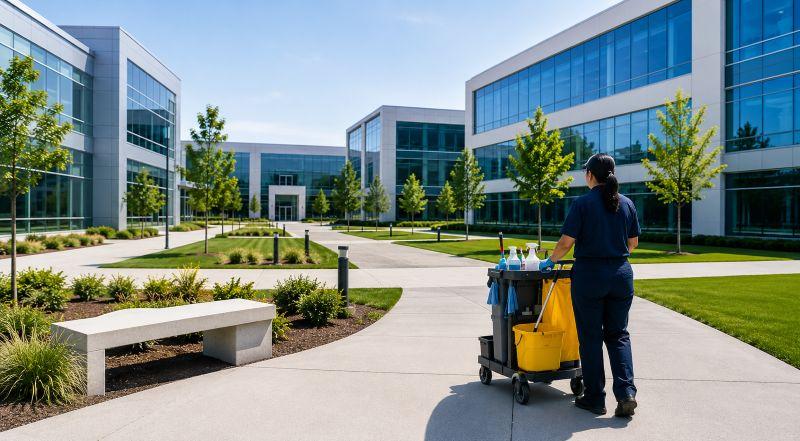
Managing a commercial campus with multiple buildings is much more complex than maintaining a single office. Different facilities often serve different purposes, experience varying levels of foot traffic, and require unique cleaning schedules. Administrative offices, warehouses, medical spaces, educational buildings, and shared common areas all have distinct cleaning needs that must work together under one organized maintenance strategy.
Without a structured approach, facility managers often encounter inconsistent cleaning standards, unnecessary labor costs, delayed maintenance, and dissatisfied occupants. A well-planned cleaning program helps preserve building assets, improve health and safety, and create a professional environment across the entire property.
For organizations seeking commercial construction cleaning in Reno NV, developing a campus-wide cleaning strategy ensures every building receives the right level of care while supporting operational efficiency and long-term property value.
Why Multi-Building Campuses Require a Different Cleaning Approach
Unlike standalone buildings, commercial campuses operate as interconnected environments. Employees, visitors, contractors, and vendors frequently move between buildings, increasing the spread of dirt, debris, and contaminants.
Each structure may also present unique challenges, including:
- Different flooring materials
- Various occupancy schedules
- Specialized equipment
- High-security zones
- Outdoor common areas
- Loading docks
- Shared parking structures
- Construction or renovation projects
Applying the same cleaning schedule across every building often leads to wasted resources or overlooked maintenance.
Instead, cleaning plans should prioritize areas according to actual usage and operational requirements.
Start with a Comprehensive Facility Assessment
An effective cleaning strategy begins with understanding the entire campus.
Facility managers should evaluate every building individually while considering how each connects to the larger property.
Important assessment areas include:
Building Function
Determine how each building is used.
Examples include:
- Corporate offices
- Manufacturing facilities
- Medical clinics
- Educational spaces
- Retail operations
- Research laboratories
- Warehouses
Each environment requires different cleaning procedures and frequencies.
Occupancy Levels
High-traffic buildings naturally require more frequent cleaning than lightly occupied facilities.
Monitor:
- Daily employee counts
- Visitor traffic
- Public access areas
- Conference centers
- Cafeterias
- Restrooms
Occupancy data helps allocate cleaning resources more effectively.
Surface Types
Cleaning requirements differ depending on materials such as:
- Carpet
- Luxury vinyl tile
- Concrete
- Hardwood
- Epoxy flooring
- Glass walls
- Stainless steel
- Stone surfaces
Each surface benefits from specialized products and maintenance techniques.
Divide the Campus into Cleaning Zones
One of the most effective ways to manage large campuses is by creating cleaning zones.
Instead of scheduling entire buildings uniformly, divide spaces according to activity levels and priorities.
High-Priority Zones
These areas usually require daily attention:
- Main entrances
- Lobbies
- Reception areas
- Elevators
- Public restrooms
- Cafeterias
- Shared meeting rooms
Medium-Priority Zones
These may require cleaning several times each week.
Examples include:
- Standard office spaces
- Training rooms
- Break rooms
- Administrative departments
Low-Priority Zones
Certain areas need periodic maintenance rather than daily service.
These include:
- Storage rooms
- Mechanical spaces
- Archives
- Utility rooms
This zoning approach reduces unnecessary labor while maintaining consistent cleanliness.
Develop Customized Cleaning Frequencies
Every campus benefits from tailored schedules instead of one-size-fits-all routines.
A sample schedule may include:
Daily
- Trash removal
- Restroom sanitation
- Floor care in entrances
- Surface disinfection
- Touchpoint cleaning
Weekly
- Carpet vacuum detailing
- Glass cleaning
- Furniture dusting
- Break room deep cleaning
Monthly
- High dusting
- Interior window cleaning
- Floor polishing
- Air vent cleaning
Quarterly
- Carpet extraction
- Hard floor refinishing
- Pressure washing
- Exterior window cleaning
Annual
- Comprehensive floor restoration
- Ceiling cleaning
- Facility-wide deep cleaning
- Preventive maintenance support
Custom schedules allow cleaning teams to maintain quality while staying within budget.
Coordinate Construction Cleaning with Ongoing Facility Maintenance
Commercial campuses frequently undergo renovations.
Office expansions, tenant improvements, and infrastructure upgrades create dust and debris that can easily spread into occupied areas.
Professional commercial construction cleaning in Reno NV plays an essential role during these projects.
Construction cleaning typically includes:
- Fine dust removal
- Debris disposal
- Window cleaning
- Surface detailing
- Floor protection removal
- HVAC vent cleaning
- Final occupancy preparation
Without proper post-construction cleaning, contaminants may circulate through neighboring buildings, affecting indoor air quality and employee comfort.
A coordinated construction cleaning plan minimizes operational disruption across the campus.
Standardize Cleaning Procedures Across Every Building
Consistency builds confidence.
Occupants should experience the same high standards regardless of which building they enter.
Standard operating procedures help ensure:
- Uniform restroom cleanliness
- Consistent floor appearance
- Proper chemical usage
- Reliable sanitation practices
- Accurate reporting
- Safer cleaning methods
Documented procedures also simplify employee training and quality inspections.
Choose the Right Equipment for Large Campuses
Managing multiple buildings efficiently often requires commercial-grade equipment.
Examples include:
- Ride-on floor scrubbers
- Backpack vacuums
- HEPA filtration vacuums
- Microfiber cleaning systems
- Electrostatic sprayers
- Battery-powered equipment
Modern equipment allows cleaning crews to complete larger areas faster while improving cleaning consistency.
Build Flexibility into the Cleaning Program
Commercial campuses constantly evolve.
Changes may include:
- New tenants
- Expanded office space
- Seasonal workforce increases
- Construction projects
- Special events
- Emergency situations
Cleaning plans should remain flexible enough to adjust staffing and schedules as needs change.
Scalable cleaning services help organizations maintain quality without overcommitting labor during slower periods.
Improve Communication Between Facility Teams and Cleaning Crews
Successful campus maintenance depends on clear communication.
Facility managers should establish reporting systems for:
- Maintenance concerns
- Supply shortages
- Safety hazards
- Equipment issues
- Customer requests
- Emergency response
Digital work order systems often improve coordination between maintenance personnel and professional cleaning providers.
Quick communication helps prevent small problems from becoming expensive repairs.
Monitor Performance with Cleaning Audits
Even the best cleaning strategy requires regular evaluation.
Routine inspections help verify that cleaning standards remain consistent.
Common performance indicators include:
Visual Inspections
Inspectors evaluate:
- Floor appearance
- Restroom cleanliness
- Dust levels
- Window condition
- Trash removal
Occupant Feedback
Employees often identify recurring concerns before formal inspections do.
Feedback surveys can uncover opportunities for improvement.
Cleaning Completion Reports
Tracking completed tasks helps verify accountability and identify scheduling gaps.
Support Healthier Indoor Environments
Modern cleaning strategies extend beyond appearance.
Indoor environmental quality significantly affects employee wellness and productivity.
A comprehensive cleaning plan should emphasize:
- High-touch surface disinfection
- Improved indoor air quality
- Dust reduction
- Mold prevention
- Proper restroom sanitation
- Safe chemical usage
Reducing airborne dust and contaminants contributes to healthier workplaces while supporting employee satisfaction.
Incorporate Sustainable Cleaning Practices
Many organizations now prioritize environmentally responsible maintenance.
Sustainable cleaning may include:
- Microfiber systems that reduce water usage
- Concentrated cleaning products
- Low-VOC chemicals
- Energy-efficient equipment
- Recycling support
- Waste reduction initiatives
Environmentally responsible practices often reduce operating costs while supporting corporate sustainability goals.
Real-World Example
Consider a business campus with six office buildings, two warehouses, and a conference center.
Initially, every building followed the same nightly cleaning schedule.
The result was inconsistent quality. High-traffic buildings frequently needed additional attention, while lightly occupied buildings were cleaned more often than necessary.
After conducting a facility assessment, management divided the campus into cleaning zones based on occupancy and usage.
Cleaning frequencies were adjusted accordingly:
- High-traffic buildings received daily detailing.
- Administrative offices transitioned to customized schedules.
- Warehouses focused on dust control and floor maintenance.
- Shared conference facilities received event-based cleaning.
The campus also implemented scheduled commercial construction cleaning after office renovations, preventing construction dust from affecting occupied workspaces.
Within several months, facility managers reported:
- Improved cleaning consistency
- Better employee satisfaction
- Reduced labor waste
- Lower maintenance costs
- Longer flooring lifespan
The strategy created measurable operational improvements while supporting a healthier work environment.
Selecting the Right Cleaning Partner
Managing a large commercial campus requires more than routine janitorial service.
An experienced provider should offer:
- Customized campus cleaning plans
- Commercial construction cleaning expertise
- Flexible scheduling
- Experienced supervisory staff
- Advanced cleaning equipment
- Quality assurance programs
- Reliable communication
- Emergency response capabilities
Working with a trusted, well-experienced cleaning company allows facility managers to focus on business operations while maintaining professional, welcoming facilities.
Conclusion
Creating an effective cleaning strategy for a multi-building commercial campus requires careful planning, ongoing evaluation, and adaptable scheduling. Every building serves a different purpose, and each deserves a customized maintenance plan that reflects its traffic patterns, operational needs, and environmental demands.
From routine janitorial services to specialized commercial construction cleaning in Reno NV, a comprehensive campus-wide strategy protects property investments, supports occupant health, improves operational efficiency, and enhances the overall appearance of every facility. By partnering with Prestige Building Maintenance of Nevada, LLC, businesses can implement customized cleaning solutions designed to meet the unique demands of multi-building commercial properties. Through standardized procedures, scalable scheduling, quality inspections, and proactive communication, Prestige Building Maintenance of Nevada, LLC helps organizations maintain consistently clean, safe, and professional facilities while maximizing the value of their maintenance investments.