
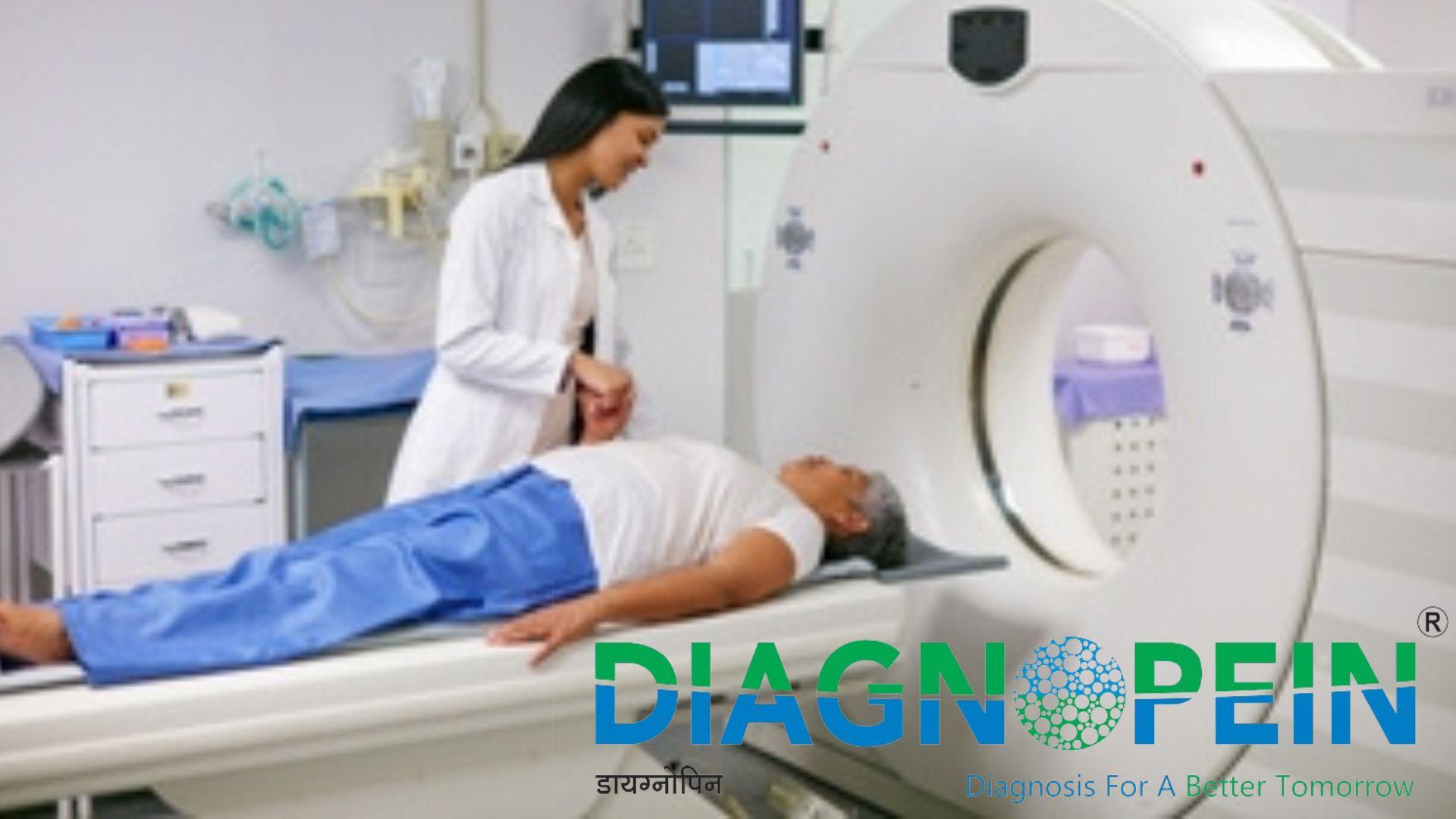
When a doctor recommends an MRI, CT scan, X-ray, ultrasound, or another imaging test, choosing the right radiology specialist can make the experience easier and more reassuring. Patients often search for the best radiologist in Pune because they want accurate imaging, clear reporting, appropriate guidance, and a comfortable diagnostic experience.
Radiologists are doctors who specialize in medical imaging. They study images from tests such as MRI, CT scans, X-rays, and ultrasound to help doctors understand what may be happening inside the body. The imaging report can support your doctor in diagnosis, treatment planning, and follow-up care.
What Does a Radiologist Do?
A radiologist is a medical doctor trained to interpret diagnostic images. Depending on the examination, they may review images of the brain, spine, joints, chest, abdomen, pelvis, or other parts of the body.
Common imaging services include:
- MRI scans
- CT scans
- X-rays
- Ultrasound and sonography
- Doppler studies
- Other specialized radiology examinations
The radiologist reviews the images and prepares a report describing the findings. Your treating doctor then considers the report along with your symptoms, medical history, physical examination, and other test results.
Why Is Radiology Important?
Medical imaging allows doctors to look inside the body without surgery. It can help evaluate injuries, unexplained symptoms, suspected medical conditions, and changes that need monitoring.
Depending on the test, radiology may be used for:
- Evaluating pain or injuries
- Examining bones, joints, muscles, and soft tissues
- Assessing the brain and spine
- Checking the chest and lungs
- Examining abdominal or pelvic organs
- Supporting treatment planning
- Monitoring a known condition
- Evaluating changes after treatment
The appropriate scan depends on the clinical question. A doctor may recommend one imaging test instead of another based on your symptoms and medical history.
Common Diagnostic Imaging Tests
MRI Scan
Magnetic Resonance Imaging (MRI) uses a magnetic field and radio waves to create detailed images of structures inside the body. It is commonly used for areas such as the brain, spine, joints, and soft tissues.
During an MRI, you generally lie on a movable examination table that goes into the scanner. The procedure can involve loud sounds, and you may need to remain still while the images are taken.
Before an MRI, tell the imaging centre if you have any implanted medical devices, metal fragments, or other relevant medical information. Some MRI examinations may also require special preparation or contrast material.
CT Scan
A CT scan uses X-rays and computer processing to create detailed cross-sectional images of the body. It may be recommended when a doctor needs more detailed information than a standard X-ray can provide.
During the scan, you lie on a table that moves through the CT scanner. The examination is usually relatively quick, although preparation can vary depending on the type of scan.
If contrast material is required, the healthcare team will provide specific instructions beforehand.
X-Ray
An X-ray uses a small amount of radiation to create images of structures inside the body. It is commonly used to examine bones and the chest and can be useful for evaluating certain injuries and medical concerns.
The actual image-taking process is generally brief. You may be asked to remain still or hold your breath for a few seconds depending on the examination.
Sonography or Ultrasound
Ultrasound uses sound waves to create images of structures inside the body. It is commonly used for examining organs, soft tissues, and during pregnancy.
For some ultrasound examinations, you may need to drink water beforehand or avoid eating for a certain period. Preparation depends on the specific examination, so follow the instructions provided by your healthcare provider or diagnostic centre.
What Should You Look for When Choosing a Radiologist in Pune?
Finding a suitable radiologist is not simply about searching for the term best radiologist in Pune. Consider factors that can affect your diagnostic experience and the usefulness of your report.
1. Relevant Experience
Look for qualified radiology specialists with experience in interpreting the type of examination you have been referred for.
2. Appropriate Imaging Services
A diagnostic centre offering multiple imaging services can make it easier to access the examination recommended by your doctor.
3. Clear Reporting
A well-structured radiology report helps your treating doctor understand the imaging findings and decide on appropriate next steps.
4. Patient-Friendly Care
Clear instructions before the scan, proper communication, and attention to patient concerns can make diagnostic testing less stressful.
5. Convenient Location and Scheduling
For patients in Pune, choosing a centre that is accessible and offers suitable appointment timings can be useful, particularly when follow-up imaging is required.
How Long Does a Radiology Test Take?
The duration depends on the examination and the body part being studied. Some X-rays may be completed quickly, while MRI, CT, or ultrasound examinations can take longer depending on the type of scan and whether additional imaging is required.
Your diagnostic centre should provide specific instructions about the expected appointment time and preparation.
What Can Affect the Cost of Radiology Services?
The cost of a diagnostic imaging test can vary depending on several factors, including:
- Type of examination
- Body part being examined
- Whether contrast is required
- Complexity of the examination
- Additional imaging or views required
- Diagnostic centre and location
- Doctor or specialist reporting requirements
It is advisable to confirm the examination requirements and current charges with the diagnostic centre before your appointment.
When Should You Consult a Doctor?
Radiology tests should generally be performed based on a healthcare professional's recommendation. If you have persistent pain, an unexplained symptom, an injury, or another health concern, speak with a qualified doctor.
Your doctor can determine whether imaging is appropriate and which examination may provide useful information. Avoid choosing a scan solely because it is considered more advanced; the right test depends on the medical question that needs to be answered.