
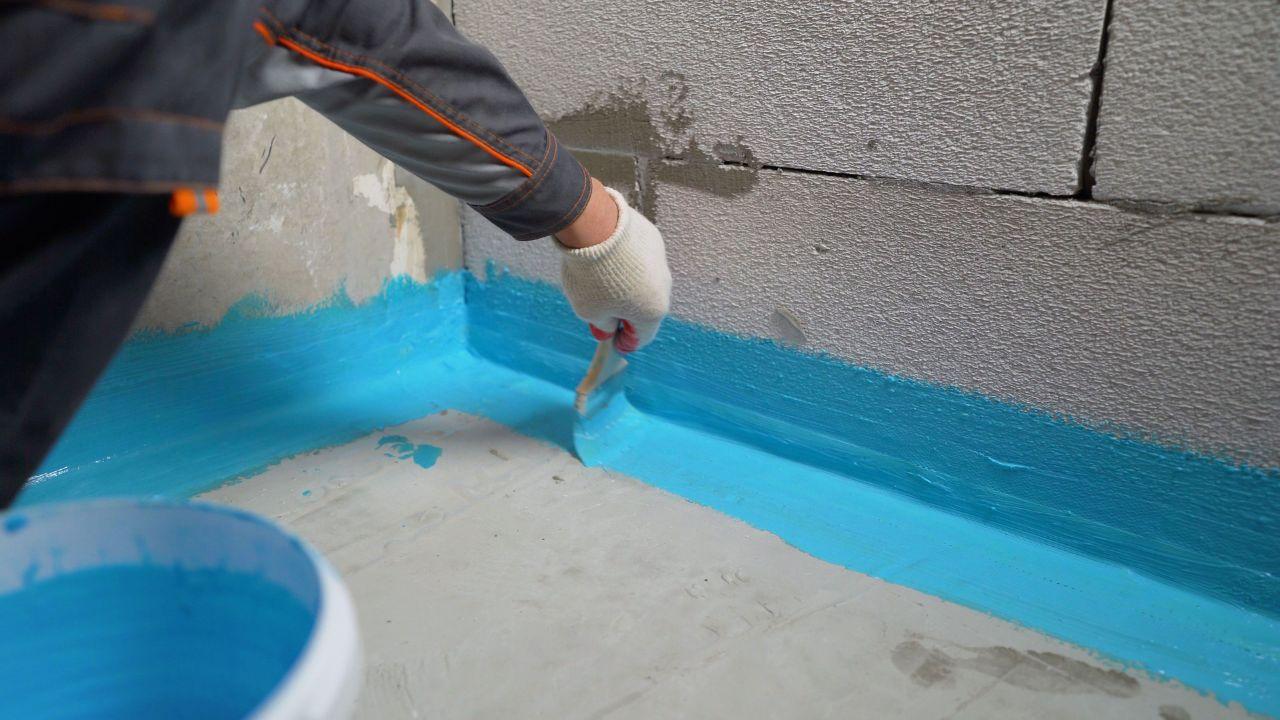
Cracked concrete can allow water to enter walls, floors, balconies, basements, and other structures. A waterproofing specialist first identifies why the crack formed before choosing a suitable repair method. Proper assessment and treatment can help prevent further water damage, protect the concrete, and extend the service life of the structure.
Why Cracked Concrete Becomes a Waterproofing Problem
Concrete is strong and durable, but it is not completely immune to cracking. Changes in temperature, structural movement, shrinkage, poor construction practices, settlement, and moisture exposure can all contribute to cracks.
Not every concrete crack creates an immediate waterproofing problem. However, cracks can become pathways for water when they extend through the concrete or connect with other vulnerable areas.
Once water finds a route through a crack, several problems may develop:
- Damp patches and water stains
- Mold and unpleasant odors
- Corrosion of embedded reinforcement
- Concrete deterioration
- Paint and surface coating damage
- Increasing leakage during heavy rain
- Further cracking caused by repeated moisture exposure
For this reason, repairing the visible surface alone may not be enough. The source and behavior of the crack need to be understood first.
How Professionals Assess Cracked Concrete
Before applying any waterproofing material, professionals inspect the affected concrete carefully. The goal is to determine the type, location, size, and likely cause of the crack.
Visual Inspection
The first step is usually a detailed visual inspection. The technician checks whether the crack is:
- Hairline or wide
- Straight or irregular
- Isolated or part of a larger pattern
- Dry or actively leaking
- Located on a wall, floor, ceiling, slab, or joint
- Associated with concrete deterioration
The surrounding area is also examined because water may travel through the concrete and appear some distance away from the original entry point.
Measuring the Crack
The width and depth of a crack can provide useful information about the appropriate repair approach. Very small surface cracks may require a different treatment from wider or deeper cracks.
Professionals may also monitor the crack over time if there is a possibility of ongoing movement.
Identifying the Cause
Finding the cause is one of the most important parts of concrete crack repair. A waterproofing treatment may stop water temporarily, but if significant movement or another underlying issue continues, the crack may reopen.
Potential causes include:
- Concrete shrinkage
- Thermal expansion and contraction
- Building movement
- Settlement
- Structural stress
- Poor concrete installation
- Inadequate curing
- Water pressure
- Deteriorated construction joints
This assessment helps determine whether the repair should focus primarily on sealing the crack, accommodating movement, or addressing a broader concrete problem.
Common Types of Concrete Cracks
Understanding the type of crack helps determine the appropriate waterproofing strategy.
Hairline Cracks
Hairline cracks are extremely narrow and may occur naturally as concrete cures and shrinks. While they may appear minor, they can still allow moisture to penetrate certain surfaces.
Depending on the location and severity, professionals may use suitable sealers, coatings, or crack-filling materials.
Shrinkage Cracks
Concrete can shrink as it loses moisture during curing. If the concrete cannot accommodate that movement, small cracks may develop.
These cracks are commonly treated after confirming that there is no significant ongoing movement or structural concern.
Structural Cracks
Some cracks may be associated with structural movement or stress. Wider, progressing, or unusual cracks require careful assessment rather than simply covering them with waterproofing material.
In these situations, waterproofing work may need to be coordinated with appropriate building or structural professionals.
Moving Cracks
Some cracks repeatedly open and close because the surrounding concrete moves. A rigid repair material may fail when applied to a crack that continues to move.
Flexible repair systems can be more appropriate for cracks where movement is expected, depending on the specific conditions.
Preparing the Cracked Concrete
Proper preparation is essential for a durable repair. Even high-quality waterproofing products may perform poorly if applied to a dirty, unstable, or poorly prepared surface.
Cleaning the Area
Dust, loose concrete, paint, dirt, grease, and other contaminants are removed from the affected area. The crack and surrounding concrete need to be sufficiently clean for the repair material to bond properly.
Removing Weak Concrete
If the surrounding concrete is loose or deteriorated, it may need to be removed carefully. Applying a repair product over unstable material can result in premature failure.
Controlling Water
Active water leakage may need to be controlled before certain repair materials are applied. The appropriate approach depends on the amount of water, pressure, crack location, and selected waterproofing system.
A professional repair process therefore considers both surface preparation and water conditions rather than simply filling the visible crack.
Waterproofing Methods Used for Cracked Concrete
Different cracks require different solutions. A waterproofing specialist may select a repair system based on crack width, depth, movement, water pressure, concrete condition, and the location of the problem.
Crack Injection
Injection systems are commonly used where water is entering through cracks in concrete structures.
Depending on the circumstances, specialized injection materials can be introduced into the crack to seal water pathways. The material selected depends on factors such as whether the crack is actively leaking and whether movement is expected.
Injection can be particularly useful in areas where accessing the opposite side of the concrete is difficult.
Flexible Sealants
Flexible sealants can be useful for cracks or joints that experience movement. Instead of forming an entirely rigid seal, an appropriate flexible product can accommodate a certain amount of expansion and contraction.
The crack must still be properly prepared before application.
Cementitious Waterproofing
Cement-based waterproofing systems may be used on suitable concrete surfaces to help reduce water penetration. These coatings can be useful in areas such as concrete walls, foundations, and other mineral substrates when the system is appropriate for the conditions.
Protective Coatings
In some applications, a waterproof protective coating may be applied over prepared concrete. The coating provides an additional barrier against moisture.
However, coatings should not simply be used to hide serious cracks. The underlying crack should be assessed and treated before relying on a surface coating for waterproofing protection.
How Allseal Waterproofing PTE Ltd Approaches Concrete Cracks
When dealing with cracked concrete, Allseal Waterproofing PTE Ltd can approach the problem as a waterproofing issue that requires proper assessment rather than simply covering visible damage.
A practical process generally involves examining the affected area, identifying potential water-entry points, preparing the concrete, selecting a suitable repair system, and checking the finished work.
The exact repair method should depend on the condition of the concrete and the nature of the crack. This is important because a treatment suitable for a stable hairline crack may not be suitable for a moving or actively leaking crack.
Treating Active Water Leakage
Cracks that allow water to enter under pressure can be more challenging than dry cracks.
Water pressure can push moisture through small openings and interfere with certain repair materials. Therefore, the repair strategy needs to account for the direction and severity of the water movement.
Why Water Pressure Matters
Below-ground concrete structures are particularly vulnerable because surrounding soil can create hydrostatic pressure against walls and slabs.
If waterproofing is damaged or concrete has developed cracks, water may find a route through the structure.
Professionals may therefore need to address both the crack itself and the broader waterproofing condition around the affected area.
Preventing Cracks From Becoming Bigger Problems
Repairing an existing crack is only part of protecting concrete. Regular inspection can help identify changes before they become more complicated.
Property owners should pay attention to:
- New cracks appearing suddenly
- Existing cracks becoming wider
- Repeated water leakage
- Dampness after rainfall
- Flaking or deteriorating concrete
- Rust staining
- Water entering from joints or construction gaps
Early attention can reduce the chance of a minor waterproofing issue developing into a larger concrete deterioration problem.
For buildings exposed to heavy rainfall or persistent moisture, periodic inspection is especially useful.
Why Professional Crack Repair Matters
It can be tempting to fill a visible concrete crack with a readily available product and consider the problem solved. Unfortunately, the visible crack may only be one part of the issue.
A professional assessment can help answer important questions:
- Is the crack superficial or deep?
- Is it currently allowing water through?
- Is the crack stable or moving?
- What caused the crack?
- Does the surrounding concrete need repair?
- Is there a wider waterproofing problem?
- Which repair material is compatible with the surface?
A waterproofing specialist uses these considerations to determine a repair approach instead of applying the same product to every crack.
Concrete Crack Repair and Long-Term Waterproofing
A successful waterproofing repair should do more than provide a temporary visual improvement. The objective is to reduce water penetration and protect the surrounding concrete for the long term.
This requires attention to the entire affected area. For example, if a basement wall has a crack but water is also entering through a nearby construction joint, repairing only the crack may leave another pathway untreated.
A complete inspection helps identify connected moisture problems and allows the waterproofing system to be considered as a whole.
At Allseal Waterproofing PTE Ltd, understanding the specific site conditions is an important part of determining how cracked concrete should be handled. The appropriate solution can vary significantly between a residential wall, basement slab, balcony, roof deck, or commercial concrete structure.
When Should Cracked Concrete Be Inspected?
There is no need to wait until a crack starts producing significant leakage before having it examined. Early inspection can be particularly useful when a crack is growing, repeatedly becomes damp, or appears alongside other signs of concrete deterioration.
Professional attention is especially important when:
- The crack is noticeably widening
- Water is actively entering
- The affected area is below ground
- Concrete is breaking away around the crack
- Rust staining is visible
- The crack appears to be associated with movement
- Multiple cracks are developing in the same area
These signs may indicate that the issue requires more than a simple surface repair.
Choosing the Right Waterproofing Approach
Every concrete structure has different conditions. The correct repair depends on the concrete type, crack characteristics, water exposure, accessibility, and expected movement.
Instead of choosing a waterproofing product based only on price or appearance, property owners should consider whether the proposed method addresses the actual cause and behavior of the crack.
A properly planned repair can help reduce recurring leakage and protect the surrounding structure.
Conclusion
Cracked concrete can become a serious source of water intrusion when it is not properly assessed and repaired. A waterproofing specialist can identify the crack’s cause, choose an appropriate repair method, and help protect the concrete from recurring moisture problems.