
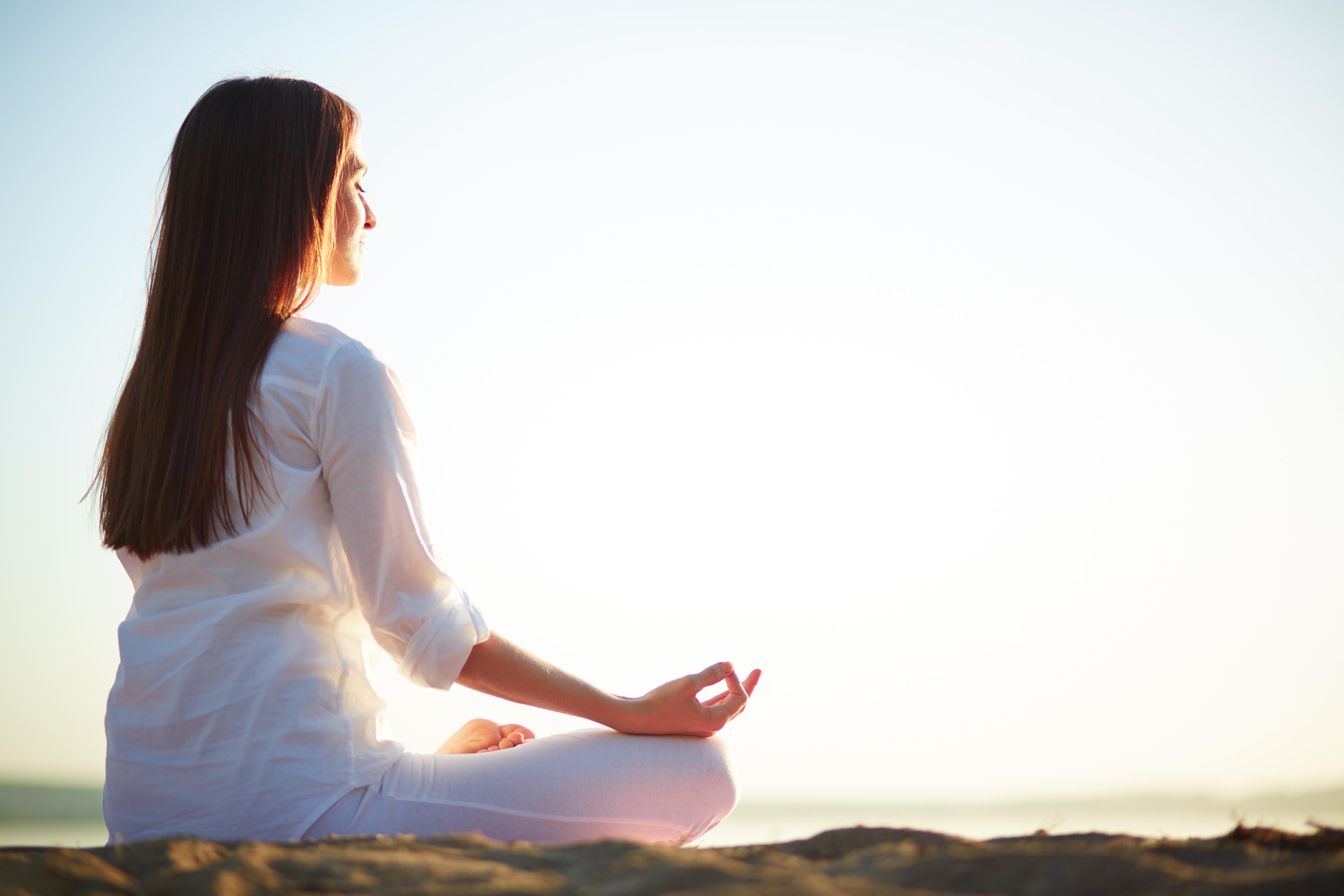
Modern working life can make it difficult to switch off. A typical day may involve meetings, deadlines, emails, commuting, household responsibilities, and constant notifications. Even after the working day ends, the mind can remain focused on unfinished tasks or the next day's responsibilities.
Finding a healthier balance does not always require major changes. Simple habits, including taking a few quiet minutes for meditation and self-reflection, can provide a regular opportunity to step away from the pace of everyday life.
For residents of Sector 43 and Sushant Lok 1 in Gurugram, exploring meditation locally can be one practical way to make quiet time a more consistent part of the week.
Understanding Work-Life Stress
Work-life stress can take many forms. For some people, it means finding it difficult to stop thinking about work after leaving the office. For others, it may involve a lack of personal time, a busy family schedule, or spending much of the day moving between screens and responsibilities.
The challenge is often not a single stressful event but the accumulation of small pressures. Constant notifications, long commutes, demanding projects, and limited opportunities to pause can leave little space for reflection.
Creating boundaries between professional and personal time is therefore important. This might mean setting aside time away from devices, taking a short walk, spending time with family, pursuing a hobby, or simply sitting quietly for a few minutes.
Meditation can be another option for creating that pause.
How Meditation Can Fit Into a Busy Routine
One of the practical aspects of meditation is that it does not necessarily require a large amount of time. Beginners can start with short sessions and gradually develop a regular practice.
Rather than treating meditation as another task to complete, it can be viewed as dedicated quiet time. Sitting comfortably, stepping away from distractions, and paying attention to thoughts can create a useful break from the constant flow of daily activity.
Regular practice can also encourage people to become more aware of how they respond to everyday situations. Instead of immediately reacting to every thought or interruption, a person can learn to pause and observe.
This does not mean that meditation removes the responsibilities that cause stress. Instead, it can become one part of a broader approach to managing a busy lifestyle.
Why Rajyoga Meditation May Appeal to Beginners
Rajyoga meditation offers an approach that focuses on the mind, thoughts, self-awareness, and spiritual understanding. It can be explored by people who are completely new to meditation as well as those who already have some experience.
The practice encourages individuals to pay attention to their thoughts and develop a greater understanding of the self. Rather than requiring complicated physical techniques, the emphasis is on creating a peaceful and reflective state of mind.
For someone dealing with a busy work schedule, this type of practice may provide an opportunity to step away from everyday distractions and spend some time in quiet reflection.
Like any habit, consistency is more important than trying to do too much at once. A few minutes of regular practice can be a more realistic starting point than setting an ambitious routine that becomes difficult to maintain.
Finding a Meditation Centre in Sector 43, Sushant Lok 1
For people interested in learning meditation, attending sessions at a local centre can make the process easier, particularly for beginners who would prefer some guidance.
A meditation centre can provide a dedicated environment where people can learn about the practice, participate in guided sessions, and explore ideas related to self-awareness and personal development.
Residents looking for a local option can explore the Brahma Kumaris Meditation Center in Sector 43, Sushant Lok 1, Gurugram. Having a centre within the local area can also make regular participation more convenient. Instead of treating meditation as something that has to fit into an already complicated schedule, residents can explore opportunities closer to home.
Simple Ways to Make Meditation Part of Your Day
Starting a meditation routine does not have to be complicated. A few simple habits can make it easier to remain consistent.
Choose a regular time: Morning, evening, or another quiet part of the day can work. The important thing is to choose a time that fits naturally into the routine.
Start small: Beginners do not need to meditate for long periods. Starting with a short session can make the habit easier to maintain.
Reduce distractions: Put the phone aside and choose a comfortable place where interruptions are less likely.
Focus on consistency: Missing a session occasionally does not mean the routine has failed. The aim is to return to the practice and continue.
Give yourself time: Meditation is a practice rather than a quick solution. Becoming comfortable with sitting quietly and observing thoughts can take time.
Creating a Better Transition From Work to Personal Time
Work-life balance is also influenced by what happens between work and home responsibilities. Many people finish work and immediately move on to another activity, often without allowing themselves to mentally transition.
A short period of quiet reflection can create a clearer boundary between the two parts of the day. This might involve a few minutes of meditation, sitting quietly before starting household tasks, taking a walk, or simply putting away work-related devices for a while.
Other practical habits can help too. Setting reasonable boundaries around work messages, taking proper breaks, making time for hobbies, and spending uninterrupted time with family can all contribute to a more balanced routine.
Meditation can sit alongside these habits rather than replacing them.
Exploring Meditation Beyond a Single Session
For many beginners, the first meditation session may simply be an introduction. With continued interest, people may choose to explore broader topics such as self-awareness, positive thinking, personal responsibility, relationships, and spiritual reflection.
A local organisation such as BK Gurugram can provide an opportunity for residents interested in learning more about Rajyoga meditation and related spiritual subjects.
The important point is to find an approach that feels practical and sustainable. Meditation does not have to become a major commitment overnight. It can begin with a few minutes of quiet time and develop naturally as a person becomes more familiar with the practice.
Making Time for Yourself in a Busy City
Living and working in a busy urban environment can make personal time easy to overlook. Between professional responsibilities, commuting, family commitments, and digital distractions, quiet moments can become increasingly limited.
Managing work-life stress therefore starts with recognising the importance of making time for yourself. Meditation is one approach that can provide a structured opportunity to pause, reflect, and step away from the constant pace of the day.
For residents of Sector 43 and Sushant Lok 1, exploring a nearby meditation centre can be a practical starting point. Whether someone is completely new to meditation or simply looking for a more consistent routine, learning in a dedicated environment can make the process easier to explore.
Ultimately, work-life balance is built through small, sustainable choices. Making time for reflection, setting healthier boundaries, and building habits like meditation can create space for a calmer, more intentional daily routine.