
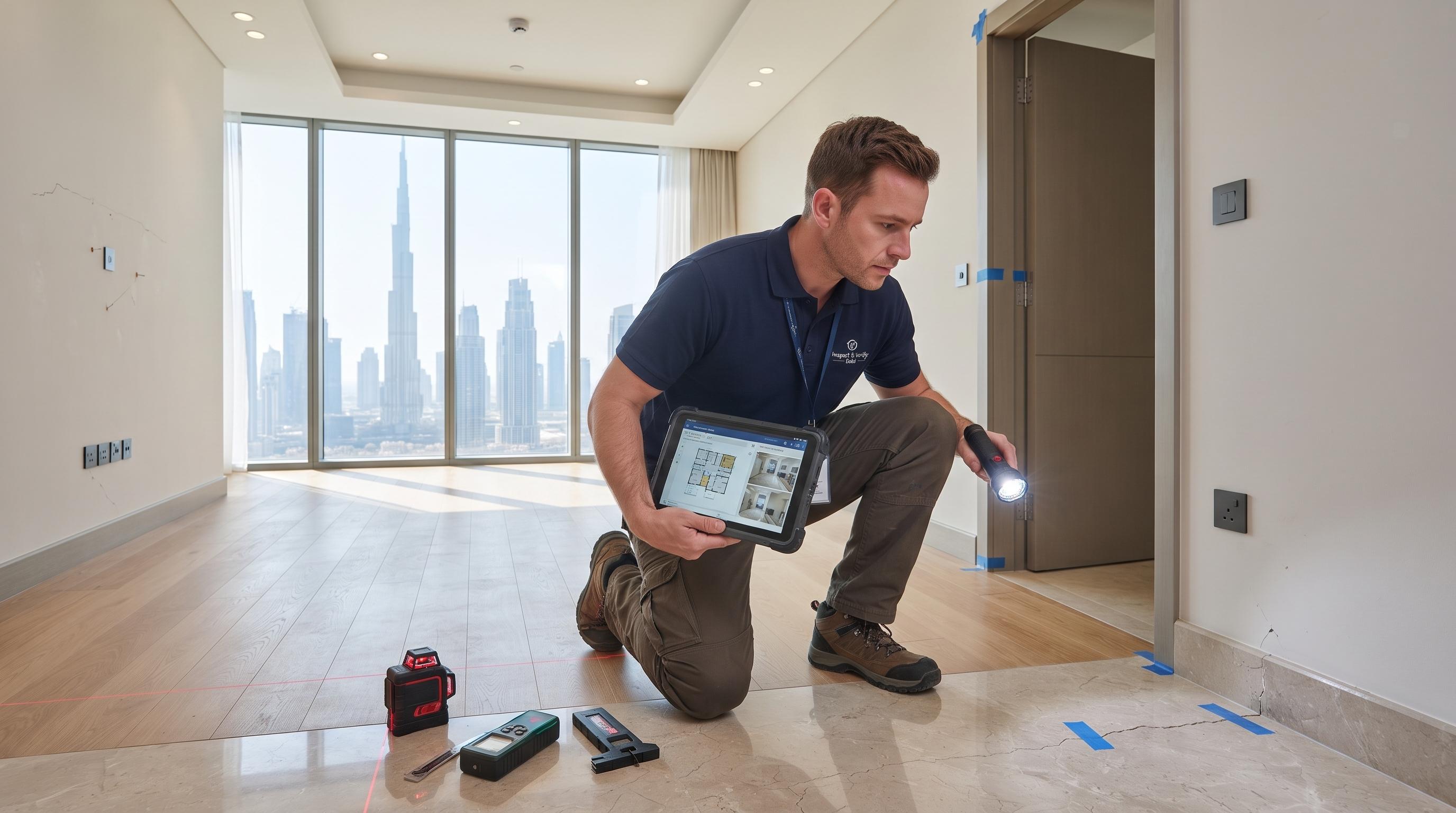
Snagging In Dubai Explained is an important topic for anyone buying, receiving, or investing in a newly built property. A new apartment, villa, or townhouse may look perfect when viewed for the first time, but small construction defects, finishing problems, installation issues, or incomplete work can sometimes remain hidden. Property snagging is the process of carefully inspecting a property to identify these issues before the buyer accepts the property or completes the handover process. A proper inspection gives property owners a clearer understanding of the condition of their home and provides an opportunity to raise concerns with the developer or contractor before moving in.
What Is Snagging in Dubai?
Snagging in Dubai refers to the detailed inspection of a property to identify defects, unfinished work, poor workmanship, damaged materials, or other issues that need attention. The process can apply to newly constructed apartments, villas, townhouses, and other residential properties. During a snagging inspection, different parts of the property are checked, including walls, ceilings, flooring, doors, windows, plumbing fixtures, electrical fittings, kitchens, bathrooms, balconies, and visible finishing work. The purpose is not simply to find obvious damage but to identify problems that may affect the appearance, functionality, comfort, or long-term condition of the property.
Why Is Property Snagging Important in Dubai?
Property snagging is important because accepting a property without a proper inspection can make it more difficult to identify and resolve certain defects later. A newly completed property can contain issues that are not immediately visible during a casual viewing. Uneven surfaces, damaged finishes, leaking plumbing fixtures, poorly fitted doors, electrical concerns, drainage problems, or incomplete work may only become noticeable after a detailed inspection. A professional snagging process helps create a clear record of the property's condition and gives the owner useful information to discuss with the responsible developer or contractor.
When Should You Carry Out Snagging?
The timing of a snagging inspection depends on the property and handover process, but it is generally useful to arrange an inspection before final acceptance or shortly after receiving access to the property. Inspecting the property before moving furniture and personal belongings inside can make it easier to access walls, floors, ceilings, cabinets, bathrooms, and other areas. Early identification of defects can also give the responsible parties an opportunity to address problems before the owner begins using the property regularly. Buyers should understand the handover requirements associated with their property and plan the inspection accordingly.
What Does a Dubai Snagging Inspection Cover?
A comprehensive snagging inspection can cover many visible and accessible parts of a property. Inspectors may examine walls and ceilings for cracks, uneven finishes, stains, or paint defects while also checking flooring for damage, poor installation, gaps, or uneven surfaces. Doors and windows can be inspected for alignment, operation, seals, locks, and visible damage. Kitchens and bathrooms may be checked for visible plumbing problems, drainage concerns, fixture installation, sealant quality, and finishing defects. Electrical fittings, lighting points, switches, sockets, air conditioning components, balconies, wardrobes, cabinets, and other accessible areas may also be reviewed depending on the inspection scope.
Common Snags Found in Dubai Properties
Common property snags can include damaged tiles, uneven flooring, poor paintwork, cracks, gaps around fixtures, loose handles, misaligned doors, defective cabinets, damaged countertops, incomplete sealant, leaking taps, drainage issues, and problems with windows or locks. Some properties may also have cosmetic defects that become obvious under proper lighting or closer inspection. Other issues may involve functionality, such as doors that do not close properly, windows that are difficult to operate, or fixtures that have not been installed correctly. The exact defects found will depend on the property's construction quality, finishing stage, design, age, and previous use.
Snagging for New Apartments in Dubai
New apartments can benefit significantly from a detailed snagging inspection because many finishing and installation issues can become visible before the owner fully occupies the property. An apartment inspection can cover accessible areas inside the unit, including living spaces, bedrooms, bathrooms, kitchens, balconies, storage areas, doors, windows, flooring, ceilings, and visible service installations. Shared building areas may require a separate inspection depending on the service being provided. A detailed apartment snagging report can help the owner understand which issues require attention before the property is considered ready for normal use.
Snagging for Villas and Townhouses
Villas and townhouses generally contain more areas to inspect than smaller residential units, which can make a thorough snagging process particularly useful. In addition to interior rooms, an inspection may include accessible outdoor areas, terraces, balconies, garages, entrances, external doors, boundary areas, and visible finishing around the building. Internal spaces such as kitchens, bathrooms, bedrooms, living areas, storage spaces, and utility areas should also be reviewed. The larger size and greater number of features in a villa or townhouse can increase the possibility of overlooked defects, making systematic inspection important.
Electrical Inspection During Snagging
Electrical components are an important part of a property inspection, although the scope of testing depends on the equipment and expertise available to the inspector. Visible switches, sockets, lighting fixtures, panels, and accessible electrical installations may be checked for obvious defects or functional concerns. Issues such as loose fittings, damaged covers, poor installation, or non-functioning fixtures can be recorded during the inspection. Electrical systems should always be assessed using appropriate safety procedures, and specialist testing may be required when a concern goes beyond a visual or basic functional inspection.
Plumbing and Bathroom Snagging
Bathrooms, kitchens, utility areas, and other locations containing plumbing fixtures deserve careful attention during a snagging inspection. Inspectors may look for visible leaks, poor sealant, damaged fixtures, drainage concerns, loose fittings, water stains, or incomplete installation. Proper drainage is particularly important because standing water or slow drainage can create inconvenience and may contribute to longer-term property problems. Checking accessible plumbing fixtures and surrounding finishes can help identify issues that might otherwise remain unnoticed until after occupation.
Doors and Windows Inspection
Doors and windows contribute to security, comfort, ventilation, insulation, and the overall functionality of a property. During snagging, accessible doors and windows can be checked for alignment, operation, locks, handles, visible damage, seals, and finishing quality. Problems such as sticking doors, loose handles, damaged frames, gaps, or difficult-to-operate windows can be documented for correction. Careful inspection of these elements can also help identify finishing problems that may not be obvious during a quick property viewing.
Flooring and Wall Inspection
Walls, ceilings, and floors form a large part of the visible finish of a property, so they are important areas during snagging. Inspectors can look for cracks, dents, uneven surfaces, damaged tiles, poor grout, inconsistent paintwork, stains, gaps, and other visible defects. Lighting conditions can sometimes affect how easily finishing problems are noticed, which is why a detailed inspection is more useful than a brief visual walkthrough. Any identified defects should be clearly documented so that the responsible party can understand their location and required correction.
Air Conditioning and Ventilation Checks
Air conditioning and ventilation systems are particularly relevant in Dubai because indoor comfort depends heavily on effective climate control. During a snagging inspection, accessible components may be checked for visible installation problems, unusual operation, airflow concerns, damaged covers, or other observable issues. The exact testing available depends on the inspection scope and equipment. If a specialist concern is identified, additional technical assessment may be appropriate. Ensuring that climate-control systems are functioning as intended can help prevent avoidable problems after the property is occupied.
What Is a Snagging Report?
A snagging report is a document that records defects and concerns identified during a property inspection. A useful report should clearly describe the location and nature of each issue so that the owner and responsible parties can understand what needs attention. Photographs can also help demonstrate the condition of a defect and make communication easier. A detailed report provides a structured record that can be reviewed when discussing corrective work with the developer, contractor, property manager, or other responsible party.
Benefits of Hiring a Professional Snagging Company in Dubai
Hiring a professional snagging company can provide an independent inspection by someone who approaches the property with a systematic process. Professionals may have experience identifying common construction and finishing defects that an ordinary buyer might overlook. A professional inspection can also save the owner time by organizing findings into a clear report and helping separate minor cosmetic concerns from issues that may require greater attention. The value of a professional inspection depends on the company's expertise, inspection scope, reporting quality, and the complexity of the property.
How to Choose a Snagging Company in Dubai
When choosing a snagging company, property owners should consider the company's inspection process, experience, reporting method, scope of work, and communication practices. It is useful to understand exactly which areas and systems are included in the inspection and whether additional specialist checks are available when required. The quality of the final report is also important because unclear descriptions can make it difficult to communicate defects to the developer. Property owners should compare services based on their actual requirements and make sure the inspection covers the areas that matter for their particular property.
What Happens After Snagging?
After the inspection is completed, the identified defects are generally documented and communicated to the relevant party responsible for correction. The developer or contractor may review the reported issues and arrange remedial work according to the property's handover and defect procedures. Once corrections have been made, the owner may wish to review the affected areas again to confirm that the reported concerns have been addressed. Keeping the snagging report and related communication can help the owner maintain a clear record throughout the correction process.
Snagging and Property Handover in Dubai
Property handover is an important stage in the buying process, and snagging can help buyers approach this stage with better information about the property's condition. A detailed inspection can identify unfinished work and defects before the owner fully takes responsibility for the property. The exact handover process varies according to the development, contract, developer, and property type, so buyers should review their own documentation and understand the applicable procedures. Snagging should be treated as part of a broader property handover process rather than as a replacement for contractual or legal advice.
Can Snagging Help Protect Property Value?
A well-maintained property can benefit from having construction and finishing problems identified and addressed at an early stage. Snagging can help owners document defects before they become more difficult to resolve or potentially lead to additional damage. Correcting issues with finishes, fixtures, plumbing, doors, windows, and other property elements can contribute to the overall condition of the home. However, snagging does not guarantee future property value because market conditions, location, building quality, maintenance, and many other factors can influence a property's value.
Common Mistakes to Avoid During Snagging
One common mistake is relying only on a quick visual walkthrough and assuming that a newly built property must be free from defects. Another mistake is failing to document problems clearly or overlooking areas that appear acceptable at first glance. Some buyers may also focus heavily on cosmetic issues while paying insufficient attention to functionality and visible installation concerns. Completing an inspection without understanding the property's handover process can create unnecessary confusion. A systematic approach helps ensure that accessible areas are reviewed consistently and that findings are recorded in a useful way.
Frequently Asked Questions About Snagging in Dubai
What does snagging mean in Dubai property?
Snagging means inspecting a property to identify construction defects, finishing problems, incomplete work, installation concerns, and other issues that may need correction. It is commonly associated with newly built properties and handover inspections.
Is snagging necessary for a new property?
A new property can still contain defects or incomplete work, so an inspection can be useful even when the property appears visually complete. A detailed snagging inspection can identify problems that may not be obvious during a normal viewing.
What areas are checked during snagging?
Depending on the inspection scope, snagging can cover walls, ceilings, floors, doors, windows, kitchens, bathrooms, balconies, cabinets, visible plumbing, electrical fixtures, air conditioning components, and other accessible areas of the property.
When should I arrange a snagging inspection?
The appropriate timing depends on the property's handover process, but arranging an inspection before final acceptance or early in the handover stage can provide an opportunity to identify and report defects before the property is fully occupied.
Can snagging be done for an apartment?
Yes, snagging can be performed for apartments as well as villas and townhouses. The inspection focuses on accessible areas within the property and can be tailored to the property's design and handover requirements.
What is included in a snagging report?
A snagging report generally records identified defects, their locations, descriptions, and supporting photographs or other documentation where appropriate. The exact format and level of detail depend on the inspection provider.
Can I perform snagging myself?
A property owner can perform a basic visual inspection, but professional snagging may identify issues that are easy to overlook. The choice depends on the owner's knowledge, available time, property complexity, and desired level of inspection.
What happens after defects are identified?
After defects are documented, they can be communicated to the relevant developer or contractor for review and correction. Once remedial work is completed, the affected areas can be checked again to confirm that the reported issues have been addressed.
Conclusion
Snagging In Dubai Explained is essentially about understanding the condition of a property before accepting it as complete. A detailed inspection can reveal construction defects, finishing problems, installation concerns, and incomplete work that may not be visible during a normal property viewing. Whether the property is an apartment, villa, or townhouse, systematic snagging can give owners a clearer record of the property's condition and help them communicate required corrections to the responsible parties. Professional snagging can be particularly useful when buyers want an independent assessment and a structured report. By approaching property handover carefully and paying attention to both visible finishes and functional elements, buyers can make the handover process more informed and organized.