
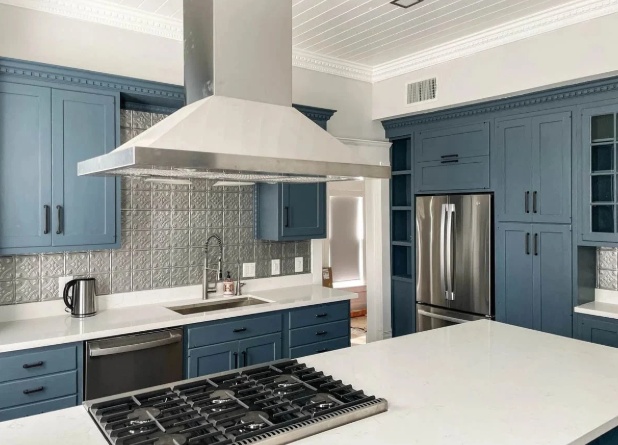
The range hood above your cooktop does far more than remove smoke. It protects cabinets from grease, clears cooking odors, and keeps the air in your kitchen comfortable. Choosing a 30-inch kitchen vent hood is a popular decision because it is the most common size for modern kitchens. Still, features such as airflow, venting method, and mounting style vary widely, and each affects performance. This guide explains what to compare so you can pick a hood that fits your cooking habits and your kitchen layout.
Why 30 Inches Is So Popular
A 30-inch width matches the most common standard range and cooktop dimensions, which is why it appears in so many modern kitchens. It offers enough coverage for everyday cooking without overwhelming smaller walls or cabinet runs. For extra capture area, a common guideline is to choose a hood about six inches wider than the cooktop, or three inches on each side. Homeowners with a 30-inch cooktop who want that wider coverage may consider a 36 inch model, while others prefer the cleaner fit of a matching width.
Understanding Airflow and CFM
Airflow is measured in cubic feet per minute, or CFM, and it determines how quickly a hood clears smoke and steam. Models in the 600 to 900 CFM range suit most home cooks with standard ranges and moderate cooking habits. Between 900 and 1200 CFM works better for avid cooks or larger ranges that produce more exhaust. Levels above 1200 CFM are generally reserved for outdoor grills and professional setups handling heavy grease. When you shop for a 30-inch kitchen vent hood, match the CFM to how often and how intensely you cook, especially with high-heat recipes.
Ducted or Ductless Venting
Ducted hoods vent air outside, which removes smoke, moisture, and odors from the home entirely. Ductless hoods recirculate air through filters, making them useful where routing ductwork is difficult. Some models can transition to ductless with an optional charcoal filter accessory, providing flexibility for different kitchen setups. Consider your wall construction, ceiling height, and remodeling plans before choosing.
Mounting Styles to Consider
The mounting style shapes both appearance and function. Under-cabinet hoods tuck neatly beneath cabinetry and save space. Wall-mounted hoods make a design statement and often suit open layouts. Island hoods hang over cooktops that sit away from walls, while insert or liner models fit inside a custom hood built for the space. For a custom project, note that inserts intended for a 30 inch hood are typically about 28 inches wide, leaving room for the surrounding enclosure. Whichever style you choose, confirm that the depth and height of your 30-inch kitchen vent hood work with your cabinets and ceiling.
Controls, Lighting, and Blower Options
Modern hoods simplify operation with intuitive push-button controls that adjust fan speed, lighting, and power. Integrated lights illuminate the cooktop for better visibility while you cook. Blower configuration also matters. Single-blower models handle typical needs, while dual-blower designs boost airflow for heavier cooking.
Materials and Finish
Most kitchen hoods are made from stainless steel, valued for durability and a clean look. Premium 304 stainless steel offers excellent weather resistance, so it is often recommended for humid areas or outdoor use, while indoor kitchens are commonly served well by standard stainless finishes. Some designs also come in matte black for a bolder style.
Conclusion
Choosing the right hood comes down to a few clear decisions: airflow that matches your cooking, a venting method that suits your home, and a mounting style that fits your layout. Take measurements, compare features, and think about how you cook every day. At Proline Range Hoods, we have supported homeowners with factory-direct range hoods since 2007, offering a three-year warranty and a wide selection of 30-inch models. With the right information in hand, you can select a hood that keeps your kitchen clean, comfortable, and inviting for years to come.